2026 Top PC Board Assembly Manufacturers for Global Buyers
Choosing a Pc Board Assembly partner in 2026 is not just a search for the lowest quote. It is a decision about yield, delivery confidence, and how quickly a supplier can resolve problems. Quality expert W. Edwards Deming’s principle, “Quality is everyone’s responsibility,” remains relevant on the assembly line. A misplaced component, a weak solder joint, or an unclear inspection record can affect the finished product. Small details matter.
This guide examines manufacturers serving global buyers, from prototype builds to higher-volume production. It considers practical capabilities: component sourcing, engineering support, inspection methods, production capacity, and communication across time zones. A polished website is not proof of consistent output. Ask for process details, request clear answers about traceability, and compare how suppliers handle design changes. Look beyond the sales pitch.
No ranking can replace due diligence. A capable manufacturer for one project may be a poor fit for another, especially when board complexity, order size, or delivery schedules differ. That is an imperfect truth. Buyers should verify current certifications and facility capabilities directly, then assess sample quality and response times against their own requirements. The manufacturers ahead are starting points for careful evaluation, not automatic endorsements.

What PC Board Assembly Manufacturers Provide
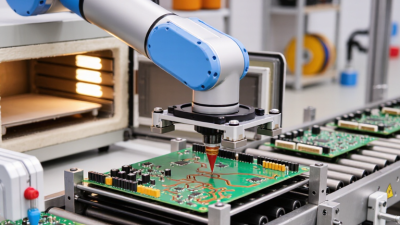
PC board assembly manufacturers provide more than soldered components on a circuit board. Their work can include design-for-manufacturing reviews, component sourcing, PCB fabrication coordination, assembly, inspection, and functional testing. The exact scope varies by supplier, so buyers should confirm what happens in-house and what is handled by partners. Details matter.
A capable assembly team checks footprints, clearances, and component availability before production. During assembly, automated optical inspection can catch misplaced parts or solder defects, while X-ray inspection may help examine hidden joints under fine-pitch components. For a connected product, functional testing can verify that the board starts, communicates, and responds to key inputs. Test coverage still depends on the fixtures and procedures provided.
Manufacturers may also support prototype builds, production ramp-up, traceability records, and packaging suited to the product. A practical supplier shares clear build notes and flags risks early, such as a component nearing end of life. Yet no process removes every defect. Ask how nonconforming boards are documented, repaired, and reviewed, and request sample inspection and test records before committing to volume.
How to Evaluate PCBA Suppliers for Global Sourcing
When evaluating PCBA suppliers for global sourcing, start with evidence, not polished factory photographs. McKinsey’s global supply-chain survey found that 93% of leaders planned to strengthen resilience, while 73% intended to improve supply-chain transparency. Ask suppliers to show both capabilities.
Review traceability from bare board to shipped unit. A reliable supplier should provide lot numbers, component certificates, solder-paste records, and inspection results. Check compliance with IPC-A-610 and J-STD-001 requirements. Ask whether automated optical inspection covers every assembly. It should. Request a sample control plan, not a promise.
Cost is only one variable.
Compare yield, rework rates, test coverage, lead-time history, and engineering response time. IPC industry research continues to identify material availability and delivery performance as major electronics manufacturing concerns. Visit the production floor when possible. Watch how operators handle moisture-sensitive components and exposed work-in-progress. Small details reveal discipline.
Ask for proof.
A clean audit sheet can still hide weak escalation procedures. I have learned that supplier evaluation is not perfectly objective. Forecasts change, drawings contain errors, and first articles may look better than recurring production. Run a pilot order with realistic volumes. Measure defects, communication speed, packaging quality, and recovery after a mistake. A supplier that reports bad news early is often safer than one offering effortless promises.
Leading PC Board Assembly Manufacturers in 2026
Leading PC Board Assembly Manufacturers in 2026 are judged by more than production capacity. Global buyers should examine process control, engineering support, and how clearly a supplier reports quality results. A reliable manufacturer can explain its inspection steps, from solder paste checks to automated optical inspection and functional testing. Ask how it handles component substitutions and design changes. Clear answers matter. So does traceability. Lot records and documented test results help teams investigate defects without guesswork.
Experience shows that small process details can affect an entire assembly run. A misplaced connector, uneven solder joint, or poorly controlled moisture-sensitive component may cause delays after delivery. Buyers can request sample builds and review the findings with the engineering team. Check whether communication stays consistent when a drawing is revised or a shipment schedule shifts. That practical test is easy to overlook. It should not be. Manufacturers with sound equipment still need skilled technicians and disciplined workflows. No supplier is flawless, and a polished capability sheet cannot reveal every weakness. Compare documented performance with your own product requirements, and leave room to reassess the choice after early production runs.
Regional Strengths and Manufacturing Capabilities
Regional strengths are useful signals, not guarantees. East Asia often offers dense supplier networks, mature surface-mount technology lines, and access to a broad component base. This can support complex boards and frequent design changes. Southeast Asia has expanded assembly capacity, though subcontractor depth and delivery times vary by location. In Europe, some manufacturers offer close engineering collaboration and shorter routes to nearby customers. North American facilities may suit low-volume, high-mix programs where communication and rapid design feedback matter. Costs differ widely.
Capabilities matter more than a regional label. Ask whether the factory uses automated optical inspection, X-ray inspection for hidden solder joints, and documented electrical testing. Check how it tracks components by lot and handles engineering changes. A quick factory audit can reveal whether stated capacity reflects working production lines or only installed equipment. These details are easy to overlook. Regional averages can mislead, and even a capable supplier may struggle during peak demand.
Tips: Request sample inspection records and a realistic lead-time breakdown. Confirm who approves substitutions. Compare the same board specifications across suppliers, not just quoted prices. A tidy presentation is reassuring, but it is not proof of consistent process control.
2026 Top PC Board Assembly Manufacturers for Global Buyers
Regional strengths and manufacturing capabilities: logistics readiness in selected electronics sourcing hubs
The World Bank’s 2023 Logistics Performance Index provides a comparable view of trade and logistics readiness across sourcing locations. It is useful context for evaluating supply-chain considerations, but it does not measure PC board assembly quality, factory capacity, or manufacturer performance.
Source: World Bank Logistics Performance Index 2023. Scores are on a 1–5 scale.
How to Select a Manufacturer for Your Project
A capable PC board assembly manufacturer should match your product’s risk, not just its quoted price. The World Semiconductor Trade Statistics Fall 2024 forecast put global semiconductor sales at about $627.6 billion for 2024, up 19% from 2023. That growth signals a busy electronics supply chain, but it does not guarantee stable component availability. Ask how the manufacturer handles approved substitutions, shortages, and traceability. Request a sample bill-of-materials review before tooling begins.
Inspect the process, not only the factory tour. IPC-A-610 provides widely used criteria for electronic assembly acceptability; ask which revision and class your project requires. Then review recent first-pass yield, defect records, and corrective-action examples. Useful evidence includes inspection plans, solder-paste controls, and test coverage for your actual board. Can they show a test report from a comparable product? Good answers are specific.
Check capacity against your real forecast, including low-volume pilot builds and peak demand. Confirm lead times for components, production, and rework separately. A polished presentation is not proof. No scorecard is perfect. I would also assess communication: a manufacturer that flags a footprint issue before production can save weeks, while unclear escalation paths create expensive surprises. Ask for named technical contacts, sample status updates, and written change-control steps. That takes time, admittedly.