Why Use Print Inspection Systems for Quality Control?
In the fast-paced world of printing, quality control is paramount. Print Inspection Systems play a critical role in ensuring that printed materials meet the highest standards. According to a recent report by the Quality Control Association, nearly 30% of print defects go unnoticed without automated inspection. This not only affects customer satisfaction but also impacts brand reputation.
Industry expert Linda Carter emphasizes the importance of these systems: “Investing in Print Inspection Systems can reduce error rates significantly.” She highlights that companies utilizing these technologies see up to a 40% decrease in defects. This statistic underscores the need for businesses to adopt advanced solutions for monitoring and improving print output.
However, not all implementations are seamless. Some operators still rely heavily on manual checks, which can be time-consuming and prone to human error. The focus now shifts toward integrating Print Inspection Systems, yet the journey entails learning from initial setbacks and optimizing processes. Improving quality control is essential. Businesses must remember that technology is not a one-size-fits-all solution and requires continuous refinement.
Advantages of Print Inspection Systems in Quality Control
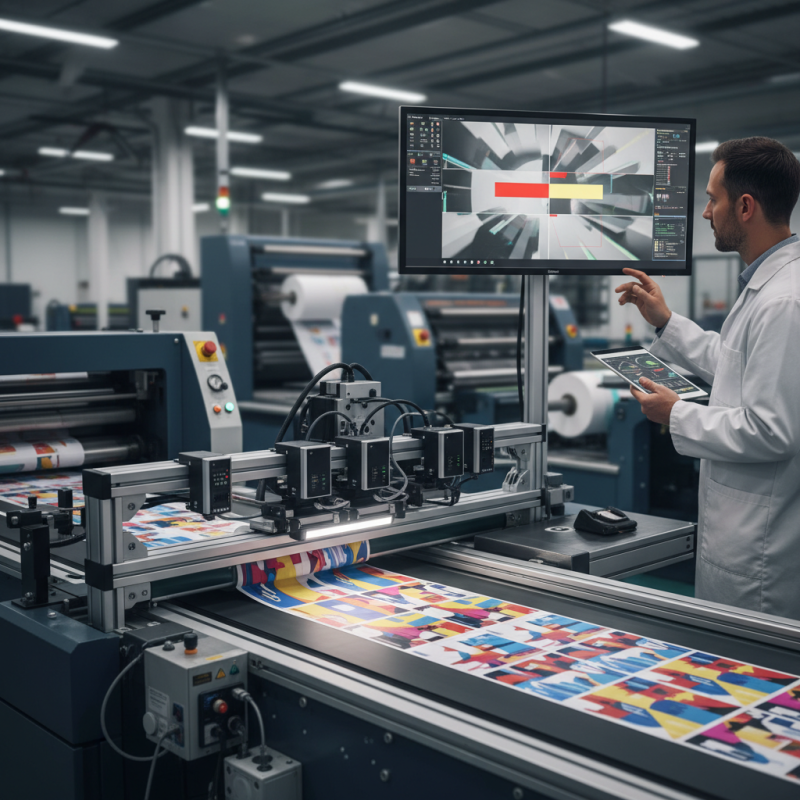
Print inspection systems play a crucial role in quality control across various industries. These systems process images at high speed, identifying defects in real time. They ensure that every printed product meets the required standards. This reduces the risk of errors that can occur during manual inspections. Consistency is key, as even small flaws can lead to significant quality issues.
One major advantage of print inspection systems is the ability to catch errors early. Early detection prevents defects from reaching customers, saving time and costs. However, these systems are not infallible. They can sometimes misinterpret images, leading to false positives or negatives. This highlights the importance of ongoing evaluation and adjustment. Regularly calibrating and testing the systems can enhance their accuracy.
Additionally, automation in print inspection brings efficiency to the production line. But it can also create a dependence on technology. Staff may become less skilled in manual inspection methods. This reliance raises questions about adaptability if the system fails. Striking a balance between automation and human oversight is essential for optimal quality control.
How Print Inspection Systems Enhance Product Consistency
In the world of manufacturing, print inspection systems are invaluable for ensuring product quality. These systems examine each label, packaging, and print detail with precision. By locating defects early, they help maintain product consistency. This consistency builds trust with customers and reduces waste. Yet, the effectiveness of these systems can vary based on the technology used.
Visual inspections can sometimes miss small errors. Even with sophisticated systems, some flaws slip through the cracks. It’s crucial to regularly evaluate and update these inspection processes. Operators must understand the technology deeply. Training is essential to maximize the benefits of these systems. Human oversight remains important; it may pinpoint issues that machines fail to detect.
Implementing print inspection systems enhances overall product quality. They support adherence to brand standards and regulatory requirements. While challenges exist, the pursuit of perfection drives continuous improvement. This approach can better meet customer expectations, fostering brand loyalty. A balance between technology and human insight is key.
Quality Control Metrics with Print Inspection Systems
This chart illustrates the effectiveness of print inspection systems in quality control. The data shows the percentage of defective items, acceptable quality rates, and consistency in output which are critical for ensuring high product quality.
Key Technologies Behind Print Inspection Systems
Print inspection systems utilize advanced technologies to enhance quality control processes. These systems leverage cameras and sensors to identify printing defects. They provide real-time feedback to operators, allowing for immediate corrections. This timely intervention helps prevent costly waste and rework. Automated image analysis is a key feature, detecting issues like misalignment and color discrepancies.
Machine learning algorithms also play a vital role. They analyze patterns in print quality and can adapt over time. This adaptability helps in recognizing faults that may not be immediately apparent. However, the accuracy of these systems can vary. They are not perfect and may miss subtle defects. This inconsistency can lead to challenges in maintaining high standards.
Moreover, integrating these technologies within existing workflows can present difficulties. Operators may require additional training to effectively use the systems. Implementing such solutions can be an investment, and return on investment may not be immediate. These factors should be considered carefully. It’s essential to weigh the benefits against potential setbacks. Even the best systems need regular calibration and updates. This ensures they continue to meet evolving quality standards.
Why Use Print Inspection Systems for Quality Control? - Key Technologies Behind Print Inspection Systems
| Technology | Description | Benefits | Applications |
| Camera Inspection | Utilizes high-resolution cameras to detect print defects. | High accuracy, real-time monitoring, reduced waste. | Labels, packaging, printing processes. |
| OCR (Optical Character Recognition) | Extracts and verifies printed text for accuracy. | Ensures text quality, minimizes errors in labeling. | Labels, invoices, packaging content. |
| Barcode Verification | Checks if barcodes are printed correctly and readable. | Improves supply chain accuracy, reduces scanning errors. | Retail, logistics, inventory management. |
| Color Measurement | Measures printed colors against desired specifications. | Ensures color consistency, meets branding requirements. | Packaging, advertising, product labeling. |
Common Challenges Addressed by Print Inspection Systems
Print inspection systems play a pivotal role in ensuring product quality. They help address common challenges faced in print production. In the packaging industry, for instance, up to 40% of defects can go unnoticed without proper inspection methods. These defects can lead to increased costs and damaged reputations.
One challenge is variability in color and quality. Consistent color matching is critical for brand integrity. In fact, a recent study revealed that 30% of consumers are likely to reject products due to poor color quality. Print inspection systems monitor color variations in real-time, catching discrepancies early. This proactive approach reduces waste and enhances customer satisfaction.
Another issue is the detection of misprints or missing information. A report highlights that 25% of labels are misprinted each year, causing compliance issues. Automated print inspection can identify these errors quickly. With advanced algorithms, these systems ensure that every product meets the required standards. This capability not only minimizes risks but also promotes ethical production practices.
The Future of Quality Control with Print Inspection Systems
Print inspection systems are transforming quality control processes. They provide real-time feedback and analysis of printed materials. This means companies can catch errors early and make adjustments quickly. The technology uses cameras and sensors to examine prints at high speeds. However, relying solely on machinery can lead to oversight. Human expertise is still vital in interpreting data and making decisions.
The future of quality control lies in integrating advanced technology with human insight. As print inspection systems become more sophisticated, they will identify issues with greater accuracy. But there’s a risk of complacency. Relying entirely on automation may reduce critical thinking. Companies must ensure their teams stay engaged with the process. Combining data analysis with hands-on inspection can enhance overall quality. This approach not only increases efficiency but also fosters a culture of continuous improvement.
Flexibility and adaptability will be key. As new challenges arise, businesses will need to reassess their quality control measures. A system that works today may need adjustments tomorrow. Embracing both technological and human elements will shape the future of effective quality control. The balance between the two is crucial for long-term success.
