Understanding Hydraulic Pump Physics for Global Buyers?
Hydraulic pump physics is a complex yet vital topic for global buyers. Understanding how these pumps work can significantly impact purchasing decisions. Dr. Alexei Popov, a noted expert in hydraulic systems, emphasizes, “The essence of hydraulic pump physics lies in mastering fluid dynamics and pressure differentials.” This insight highlights the importance of grasping fundamental principles.
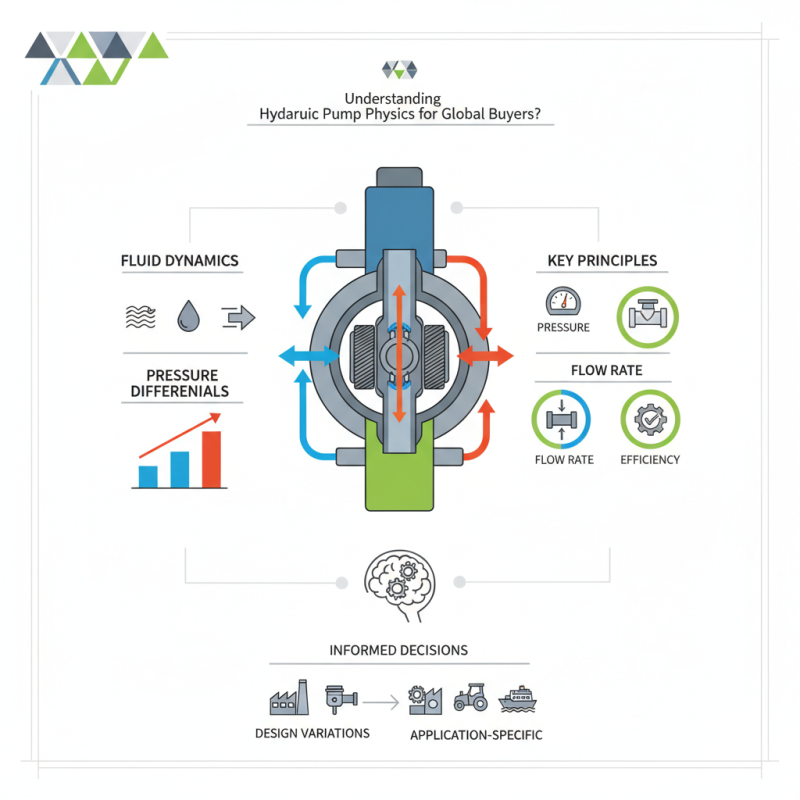
The core of hydraulic pump physics involves fluid mechanics. Each component plays a critical role. Buyers should know about pressure, flow rates, and efficiency. A small miscalculation can lead to significant operational failures. Moreover, hydraulic pumps have various designs and applications. What works for one system may not suit another.
Navigating the world of hydraulic pumps requires careful consideration. Not all information is straightforward. Readings and study materials sometimes present conflicting data. Take the time to evaluate multiple resources. Reflect on how different factors affect performance and efficiency. This understanding is essential for making informed decisions in the hydraulic sector.
Overview of Hydraulic Pump Basics and Principles
Hydraulic pumps are critical in various industries. They convert mechanical energy into hydraulic energy. The basic principle involves fluid mechanics. Fluid moves through the pump, creating pressure and flow. This process is governed by Pascal's law, where pressure applied to a fluid is transmitted equally throughout the fluid. According to a recent industry report, the hydraulic pump market is expected to grow by 4.5% annually until 2027. This growth reflects increased demand across construction, agriculture, and manufacturing.
Understanding hydraulic pump types is vital. Gear, piston, and vane pumps each have unique operating principles. Gear pumps work via rotating gears, while piston pumps use reciprocating action. Vane pumps utilize sliding vanes within a rotor. Each type has its advantages based on application needs. Efficiency varies significantly between these types, with some achieving over 90% efficiency in optimal conditions. However, real-world factors often impact this performance.
One must also consider maintenance implications. Regular inspections can identify wear and tear. Ignoring these can lead to greater inefficiencies and costs. Even well-designed systems face challenges. For instance, cavitation can occur if the inlet pressure is too low. This phenomenon can severely damage the pump over time. Understanding these principles aids global buyers in making informed decisions.
Key Components and Mechanics of Hydraulic Pumps
Hydraulic pumps are crucial in various industries, from manufacturing to agriculture. Understanding their key components is essential for global buyers. The basic elements include the pump casing, rotor, and hydraulic fluid. Each plays a distinct role in converting mechanical energy into hydraulic energy. The pump casing houses the components, ensuring durability under high pressure.
Regular maintenance is vital. A report from the International Fluid Power Society indicates that proper upkeep can enhance pump efficiency by 20%. Many buyers overlook the impact of hydraulic fluid quality. Contaminated fluid can lead to pump failure, causing significant downtime and repair costs.
Tips: Always choose the right fluid for your specific pump application. Monitor fluid levels and cleanliness regularly to prevent unexpected failures. Over time, even small leaks in a system can become costly.
Knowledge about flow rates and pressure ranges is important. A mismatch between the pump's specifications and system needs can undermine performance. Data shows that a 10% variance in flow rate can lead to inefficiencies. Most operators fail to consider this until they encounter issues. Analyzing performance data can provide insights to mitigate these risks. Understanding these mechanics can empower buyers to make informed decisions.
Types of Hydraulic Pumps and Their Applications
Hydraulic pumps play a crucial role in various industrial applications. Understanding the types and their functions is essential for global buyers. There are mainly two categories: positive displacement pumps and dynamic pumps. Positive displacement pumps move fluids by trapping a fixed amount and forcing it into the discharge. They are highly efficient, especially at lower speeds and pressures. Common examples include gear pumps and piston pumps, each tailored for specific tasks.
Dynamic pumps, on the other hand, rely on kinetic energy to move fluids. These are often used in high-flow applications. Centrifugal pumps are the most common type. They excel in transporting liquids over long distances. However, their efficiency decreases as the fluid viscosity increases. Buyers must evaluate their needs carefully. Not all pumps are suitable for every application, and a mismatch can lead to performance issues.
Selecting the right hydraulic pump is not just about efficiency. Users must consider factors like maintenance and operational costs. Often, decisions are made without full knowledge of the specific needs. This can lead to unexpected breakdowns or inefficiencies. Thus, buyers should invest time in research and consultations. Ultimately, balancing efficiency with practicality is key to effective hydraulic solutions.
Factors Influencing Hydraulic Pump Performance and Efficiency
Hydraulic pumps are vital components in numerous industrial applications. Understanding their performance and efficiency factors is key for global buyers. The efficiency of a hydraulic pump depends on several elements, including design, fluid properties, and operating conditions.
One major influence is the pump design itself. Different types have unique characteristics. For example, gear pumps are simple and reliable, while vane pumps offer higher efficiency at varying speeds. Knowing the application helps in selecting the right design. Fluid viscosity also plays a crucial role. If the fluid is too thick, the pump will struggle. Conversely, a fluid that’s too thin may lead to inadequate lubrication.
Tip: Always check the manufacturer's specifications for fluid compatibility. This ensures optimal performance and longevity.
Operating conditions cannot be overlooked. Temperature, pressure fluctuations, and maintenance practices all affect pump efficiency. Regular maintenance prevents wear and tear. Ignoring this can lead to performance drops.
Tip: Schedule periodic inspections to catch potential issues early. Planning ahead can save time and costs in the long run.
Despite technological advancements, challenges remain. Innovations may not translate to all applications, and sometimes, outdated models outperform new ones. Always evaluate your specific context to make informed decisions.
Guidelines for Selecting the Right Hydraulic Pump for Your Needs
Selecting the right hydraulic pump requires careful consideration of various factors. Key parameters include flow rate, pressure, and system compatibility. According to industry reports, approximately 25% of hydraulic system failures stem from improper pump selection. This statistic underlines the need for thorough evaluation before making a purchase.
Hydraulic pumps come in various types, including gear, vane, and piston pumps. Each type has specific applications and characteristics. For instance, gear pumps offer simplicity and reliability, while piston pumps provide high efficiency at elevated pressures. Understanding these differences can help buyers choose the most suitable option.
Furthermore, maintaining a balance between performance and cost is crucial. A report from the Hydraulic Equipment Manufacturers Association indicates that up to 30% of system efficiency can be lost due to poorly matched components. Hence, evaluating the full system and revisiting design specifications can lead to more effective solutions. Buyers should also consider future scalability, as needs may change over time.
