What is a Transformer Substation and Why is it Important?
A Transformer Substation plays a crucial role in the electrical grid. It is where high voltage electricity is transformed to lower voltage for distribution. According to Dr. Emily Carter, a leading expert in electrical engineering, “Transformer Substations are the backbone of our power systems.” This statement underscores their significance in maintaining a reliable energy supply.
Transformer Substations are more than just technical setups; they ensure citizens have access to electricity. They manage voltage levels to prevent damage to infrastructure. Yet, many do not fully appreciate their importance. Without proper substations, power outages would occur frequently. This could disrupt daily life and businesses alike.
Public awareness of Transformer Substations remains limited. People often overlook their role in energy efficiency and safety. Experts recommend more outreach to educate communities about these systems. Understanding the function of Transformer Substations can lead to greater appreciation of infrastructure. In an ever-evolving energy landscape, their importance cannot be overstated.
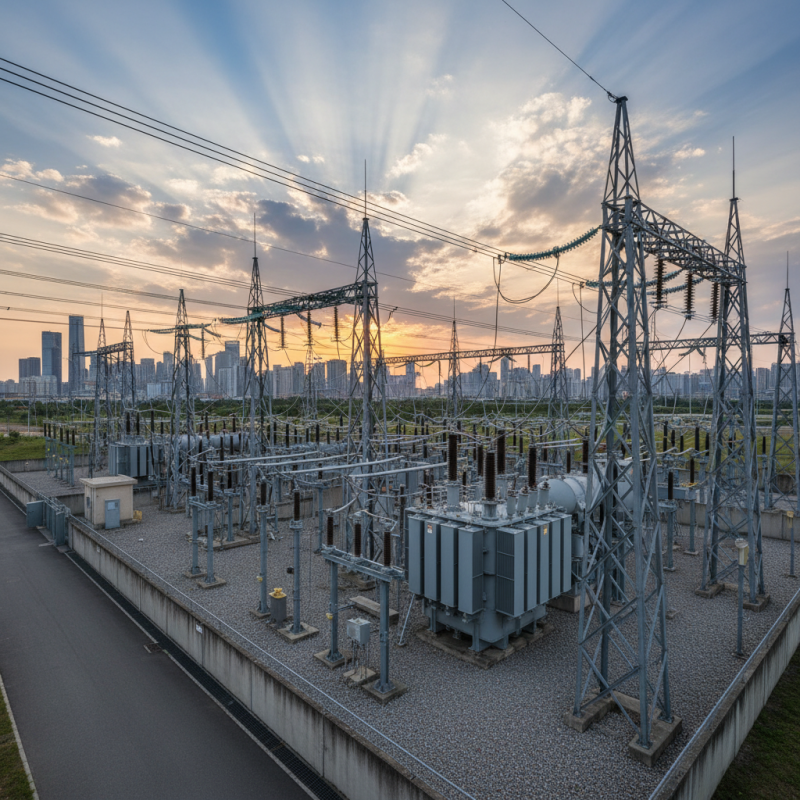
What is a Transformer Substation?
A transformer substation plays a crucial role in the electrical grid. It functions as a hub where voltage levels are altered to ensure efficient power distribution. By stepping down high voltage electricity from transmission lines, these substations make energy safer for consumer use. Without them, our homes and businesses would struggle to receive electricity reliably.
Inside the transformer substation, large machines transform electricity. These machines are often accompanied by various protective equipment, such as circuit breakers and switches. While the design may seem straightforward, the operation is complex and relies on precise engineering. Maintenance can sometimes be overlooked, leading to reflect on the importance of regular check-ups.
Additionally, transformer substations are often located in urban areas. This can create challenges regarding space and accessibility. Engineers must innovate to fit modern needs, which is an ongoing pursuit. The role of transformer substations is critical; they are the unsung heroes of our power systems. It's easy to take them for granted, but their importance is undeniable.
Key Components of a Transformer Substation
A transformer substation is vital for electricity distribution. It’s where high-voltage electricity is transformed into lower voltages, making it safer for homes and businesses. The key components of a transformer substation include transformers, circuit breakers, and control equipment.
Transformers play a crucial role. They step down voltage levels, ensuring electricity can flow safely. Circuit breakers safeguard the system by interrupting current during faults. Control equipment monitors performance and maintains efficiency. Each component is essential for reliable energy delivery.
Tips: Regular maintenance is crucial. Inspecting the equipment prevents unexpected failures. Understanding the layout of a substation can enhance safety awareness. Engage local expertise when dealing with substation operations for best practices.
Be mindful of design flaws. Sometimes, layout choices can complicate maintenance activities. Identify and address these issues early. Such reflections improve operational efficiency and safety in the long run.
Functions and Operations of Transformer Substations
Transformer substations play a crucial role in electrical networks. They convert high-voltage electricity to lower voltages. This process ensures that power can be safely distributed to homes and businesses. Without these substations, electricity transmission would be inefficient and risky. Substations also help in managing the flow of electricity, preventing overloads and blackouts.
The operations of a transformer substation are multifaceted. They include monitoring voltage levels, controlling power flow, and ensuring safety protocols. Technicians must regularly inspect equipment to maintain optimal performance. These checks are essential for preventing failures. Transformer substations also contribute to grid stability, especially during peak demand. However, they can be complex, and any oversight may lead to significant issues. Thus, diligent management is vital for a reliable energy supply.
What is a Transformer Substation and Why is it Important? - Functions and Operations of Transformer Substations
| Dimension | Description |
| Purpose | Transformer substations convert high voltage electricity to lower voltages for safe distribution. |
| Components | Includes transformers, circuit breakers, disconnect switches, bus bars, and protective relays. |
| Types | Step-up, step-down, distribution, and transmission substations. |
| Operations | Regulates voltage, provides protection, ensures reliability, and facilitates maintenance of electrical networks. |
| Importance | Essential for efficient power distribution, safety, and operation of the electrical grid. |
| Safety Measures | Incorporates grounding, overcurrent protection, and isolation of faulty parts to prevent accidents. |
Importance of Transformer Substations in Power Distribution
Transformer substations are crucial in power distribution. They facilitate the transformation of voltage levels to ensure electricity reaches users efficiently and safely. Without these substations, high-voltage electricity from power plants would be too dangerous for everyday use. Substations help manage the flow of electricity, ensuring that households and businesses receive reliable power.
It's essential to recognize the role of transformer substations in the electrical grid. They connect various power systems while controlling voltage, improving stability. In areas prone to outages, substations prevent potential blackouts by redistributing power. This network of substations enhances the resilience of the overall system.
**Tips:** Regular maintenance of transformer substations is vital. Pay attention to any unusual sounds or smells around these facilities. Always report concerns to the relevant authorities to ensure safety. Moreover, educating oneself about local substations can lead to better energy choices and conservation efforts.
Challenges and Innovations in Transformer Substation Technology
Transformer substations play a critical role in modern power distribution systems. However, they face several challenges that impact efficiency and reliability. One significant issue is the aging infrastructure. According to a report by the U.S. Department of Energy, nearly 70% of the transmission lines and transformers will need upgrading or replacement within the next decade. This creates risks of outages and inefficiencies.
Innovations in transformer technology offer some solutions. The integration of smart grid technology allows for real-time monitoring and automated controls. For instance, a study from the International Energy Agency suggests that smart transformers can reduce energy losses by up to 15%. However, the adoption of these technologies is slow due to high initial costs and the complexity of existing systems. Many operators still rely on outdated equipment, which complicates upgrades.
Moreover, maintaining transformer health is crucial. Regular diagnostics and predictive maintenance are essential to avoid costly failures. A recent survey highlighted that about 40% of utility companies lack adequate strategies for transformer lifecycle management. This gap indicates a need for improved training and tools in the industry. Only by addressing these challenges can the benefits of innovation be fully realized in transformer substations.
