
Best Triple Eccentric Valve Manufacturers in China?

The search for the Best Triple Eccentric Valve Manufacturers in China should begin with engineering evidence, not a polished catalogue. A Triple Eccentric valve uses three offset geometries to reduce seat contact during rotation. That design can support tight shutoff and lower wear in demanding service. But performance depends on more than the concept. Materials, machining accuracy, testing, and assembly all matter.

No source articles or verified expert quotation were supplied, so attributing a sentence to a named specialist would risk inventing a credential or quote. A useful buyer’s maxim is: “Check the sealing design before comparing the price.” Ask manufacturers for pressure-test records, material traceability, and clear drawings of the sealing arrangement. Look closely at the disc, seat, stem, and body. These are not abstract details; they affect leakage, operating torque, and service life. Ask how the valve performs at the stated temperature and pressure, and whether the test conditions match your application.

This guide will compare Chinese manufacturers through practical criteria: product range, production capability, inspection procedures, documentation, and responsiveness to technical questions. A factory visit may reveal clean assembly benches and calibrated test equipment—or gaps a brochure will not show. Be cautious of broad performance claims without supporting data. No single supplier suits every pipeline. The right choice depends on the medium, operating cycle, size, and maintenance plan. Good questions make the comparison sharper.
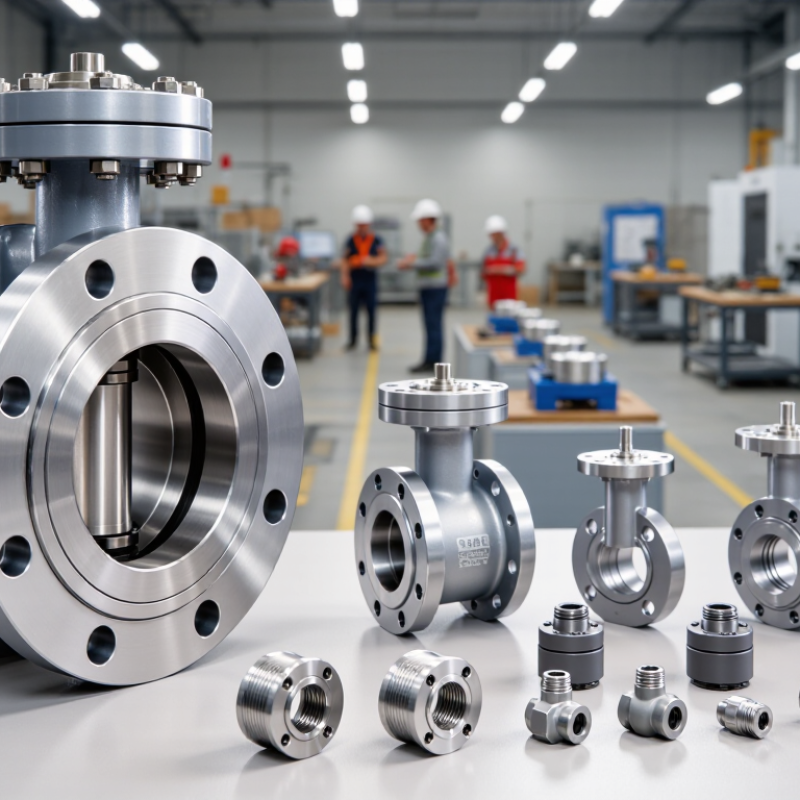
Best Triple Eccentric Valve Manufacturers in China?

Triple-Offset Design: Three Eccentric Axes Create Cam-Like Disc Motion

Triple-offset geometry separates the disc from its seat during most of its rotation. The first offset moves the shaft behind the disc-seat centerline; the second shifts it from the pipe centerline. A third offset angles the conical sealing surfaces. Together, these axes create a cam-like path: the disc lifts clear as it opens, then contacts the seat near full closure. That distinction matters. Less rubbing can reduce wear and operating torque, though actual results depend on materials, tolerances, and service conditions. In practice, drawings can make the motion look cleaner than a worn assembly.

Grand View Research’s Industrial Valves Market report estimated the global market at USD 78.1 billion in 2023 and projected a 4.9% compound annual growth rate from 2024 to 2030. This market figure signals broad industrial demand, not proof that one valve design suits every duty. For buyers assessing Chinese manufacturers, request dimensional inspection records, pressure-temperature ratings, cycle-test results, and seat-leakage data. Check that the reported test conditions match the intended line. A polished brochure is not enough. Ask how the supplier controls cone-angle machining and verifies contact patterns; small errors there can affect sealing and torque.

Applicable Standards: API 609 Defines Butterfly-Valve Requirements

For buyers comparing triple eccentric valve manufacturers in China, API 609 is a practical starting point. Its ninth edition, published in 2021, sets requirements for butterfly-valve design, materials, dimensions, and testing. It does not certify a supplier or guarantee a valve’s service life. Ask for drawings, material traceability, and test records matched to the specified size and pressure class.

Triple eccentric geometry reduces disc-to-seat rubbing during operation, but the seat still needs careful verification. Check whether the maker’s inspection plan follows API 609 and whether pressure testing references API 598. That matters. Request documented shell and seat-test results, plus the test medium, pressure, and hold time.

These details make comparisons more useful than a generic “API compliant” claim. For high-temperature or frequent-cycle service, review the seat materials and torque data against actual operating conditions.

A paperwork gap is easy to miss; it can also undermine an otherwise sound specification. API 609 compliance is a baseline, not proof that every design suits every process.

Pressure Testing: API 598 Shell Tests Use 1.5× Rated Pressure

For a triple-eccentric valve, the shell test checks pressure-boundary integrity, not seat shutoff. API 598 specifies shell-test pressure at 1.5 times the applicable pressure rating at 100°F (38°C). The correct rating depends on the valve’s pressure class and material, not nominal pipe size alone. That distinction matters. A class rating is not one universal pressure value. When water is used, inspect the body, bonnet joints, and stem area under steady pressure; visible leakage is unacceptable.

When assessing a Chinese manufacturer, request a traceable test record listing the test medium, calibrated gauge identification, applied pressure, hold time, and inspection result. API 598 sets minimum shell-test durations by valve size: 15 seconds for NPS 2 and smaller, and 60 seconds for NPS 2½–6. ASME B16.34 provides pressure-temperature rating context for many steel valves. Check that the pressure calculation uses the applicable rating at 100°F and that the recorded value is not rounded down. Small recordkeeping gaps happen. They still deserve questions. A shell-test pass alone does not establish service life, actuator fit, or seat performance; request the relevant closure-test results separately.

China Manufacturer Comparison: Verify Certifications, Materials, and Test Records

A strong comparison of triple eccentric valve manufacturers begins with evidence, not polished catalogues. Request current quality-system and product certificates, then verify their issuer, scope, and expiry date. Check that the documents cover the factory and valve type being quoted. A certificate alone proves little.

Review material records for the body, disc, stem, and sealing components. Heat numbers should link mill certificates to the parts listed in production records. For critical service, ask how the manufacturer confirms alloy grade, hardness, and material identity. Look for traceable inspection results, not generic claims. Small gaps matter.

Test records deserve the same scrutiny. Ask for shell and seat test results, acceptance criteria, test pressure, and calibrated instrument details. Confirm that the tested valve matches the proposed size, pressure class, and design. A neat PDF is not proof by itself. Compare serial numbers and dates across documents. If a record is missing, ask why and request a clear explanation; even a capable supplier may have uneven paperwork. The comparison should show what was verified, what remains uncertain, and whether the evidence fits your operating conditions.

Service Selection: Match Pressure, Temperature, and Leakage Requirements

Choosing a triple eccentric valve manufacturer in China starts with a clear duty profile, not a catalogue photo. Specify normal and peak pressure, operating temperature, fluid, and cycle frequency. A valve handling hot steam may need different materials and seat construction from one controlling ambient-temperature water. Include start-up surges and temperature changes; these are easy to overlook. Details matter.

Ask manufacturers for pressure-temperature ratings, material certificates, and test records for the proposed configuration. Confirm whether leakage figures refer to a stated test medium, pressure, and procedure. “Tight shutoff” alone is not a useful acceptance criterion. For larger valves, request documentation for the actual size and design, rather than assuming a small sample represents every unit. Do not guess.

Service support deserves equal scrutiny. Check whether engineers can review drawings, advise on actuator sizing, and provide replacement-seat guidance. A practical supplier should explain limits plainly, including where a requested combination of pressure and temperature reduces available options. Compare lead times, inspection scope, and response arrangements in writing. A spreadsheet can still hide uncertainty: I would ask one more question when a rating looks unusually broad. The right selection balances verified performance with maintenance needs at the installation site.

Article Source: