Top 10 Livestock Equipment Suppliers in China for Global Buyers?
In recent years, the global demand for Livestock Equipment has surged. The livestock sector is crucial for food security, contributing significantly to the economy. According to a report by the Food and Agriculture Organization (FAO), livestock production is projected to grow by 1.4% annually. This growth presents vast opportunities for suppliers.
China stands as a towering player in livestock equipment manufacturing. The country accounts for approximately 30% of the global livestock equipment market. With advancements in technology and production techniques, Chinese suppliers offer a diverse range of products. These include feed systems, milking machines, and housing solutions. However, challenges persist. Quality assurance and compliance with international standards remain areas for improvement.
Global buyers must navigate this dynamic landscape. Identifying reliable suppliers is essential for sustainable operations. Consulting industry reports and market analyses can aid in making informed decisions. The goal is not just to secure equipment but to establish long-term partnerships that enhance productivity and animal welfare.
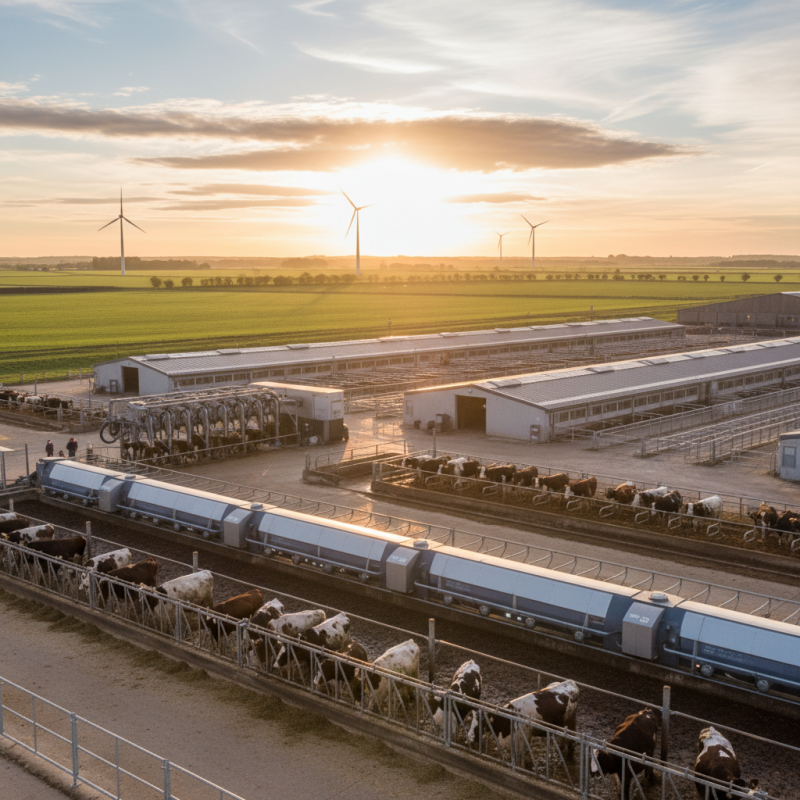
Overview of the Livestock Equipment Industry in China
The livestock equipment industry in China has seen substantial growth in recent years. This shift is influenced by rising domestic consumption and increased global demand for quality livestock products. Farmers are looking for advanced tools to enhance productivity. This has opened doors for suppliers to innovate and expand their offerings.
However, challenges persist. Many suppliers struggle with technical expertise and production quality. There is a need for continuous training and improvement in manufacturing processes. Diverse regional regulations also complicate the market landscape. Some suppliers may not fully understand these complexities, resulting in missed opportunities for partnerships.
Innovation plays a critical role in this industry. The use of technology in livestock farming is becoming paramount. Farmers seek equipment that is not only efficient but also sustainable. Suppliers must balance quality and cost to meet diverse needs. At the same time, they should remain adaptable to changing market conditions. This flexibility is essential for long-term success and resilience in an increasingly competitive global environment.
Key Features to Consider When Choosing Livestock Equipment Suppliers
When selecting livestock equipment suppliers in China, it's crucial to focus on several key features. First, assess the supplier's experience in the industry. A supplier with years of expertise is likely to understand the specific needs of livestock management better. Look for providers who have a proven track record with international clients. Their commitment to quality and service can be critical for successful partnerships.
Evaluate the range of products offered. Diverse equipment options show that a supplier is familiar with various livestock needs. From feeding systems to housing solutions, a variety of choices can lead to better fit for your operations. It's also important to consider after-sales support. A reliable supplier should provide ongoing assistance and maintenance options. This ensures your equipment remains functional over time.
Transparency is essential. Reviews and testimonials from previous customers can provide insights into the supplier's credibility. Don’t hesitate to ask for references. This step can reveal potential red flags and help avoid disappointing partnerships. Balancing all these factors will aid in finding a trustworthy supplier who can support your livestock management goals effectively.
Top 10 Livestock Equipment Suppliers in China for Global Buyers
Top 10 Livestock Equipment Suppliers in China: A Detailed Review
When exploring livestock equipment suppliers in China, buyers must consider various factors. The market offers a wide range of products, from feeding systems to housing solutions. Each supplier has its strengths and weaknesses. Assessing product quality and after-sales support is essential. Some suppliers excel in innovative technology, while others focus on durability and cost-effectiveness.
Many suppliers promote their products extensively. However, not all meet the expectations of international buyers. Reviews and feedback from past customers can provide insights. It is wise to verify claims with actual user experiences. Suppliers may have impressive catalogs but lack the necessary support for foreign clients.
Understanding local regulations and market needs is crucial. What works in one region may not be applicable elsewhere. This complexity demands thorough research and continuous learning. Engaging with local experts can bridge the gap between expectations and reality. Exploring partnerships or collaborations may lead to better outcomes.
Comparison of Product Offerings from Leading Suppliers
In the livestock industry, the right equipment ensures better productivity and animal welfare. Buyers should consider multiple aspects when comparing suppliers. A recent industry report indicates that China’s livestock equipment market is projected to grow significantly, reaching over $8 billion by 2025. This growth is driven by technological innovations and increasing demand for efficient farming solutions.
When evaluating suppliers, buyers often focus on product range. Some suppliers excel in feeding systems, while others offer advanced breeding technologies. Buyers should assess whether the products meet specific operational needs. For instance, advanced milk collection systems are vital for dairy farms, enhancing efficiency and yield. However, not all suppliers guarantee consistent quality, posing risks.
Tip: Always request sample products before making bulk orders. This step ensures quality checks and builds trust.
Another critical factor is customer service. Effective communication and after-sales support are invaluable. A study shows that businesses experience 20% higher satisfaction when suppliers provide robust support. Buyers should inquire about warranty terms and maintenance services. These aspects often distinguish a reliable supplier from a mediocre one and can save time in the long run.
Tip: Create a checklist of must-have features when comparing suppliers. This method simplifies decision-making and highlights priorities.
Insights into Export Trends for Livestock Equipment in Global Markets
The livestock equipment market is evolving rapidly. According to recent statistics from industry reports, exports of livestock equipment from China have surged by approximately 34% over the past year. This growth reflects increasing global demand, driven by advancements in farming technology and animal husbandry practices.
Countries in Southeast Asia and Africa have been particularly active in sourcing livestock equipment. The use of modern feeding systems and animal health products is linked to improved productivity. In these regions, importers are keen on leveraging innovative technology. However, challenges remain, such as fluctuating shipping costs and regulatory hurdles in international markets.
As the market expands, buyers must navigate complex behaviors among suppliers. This includes ensuring product reliability and adherence to quality standards. Evaluating certification and compliance can often be daunting. This interconnected landscape requires ongoing diligence and can create barriers for new entrants. Understanding these export trends is crucial for any buyer looking to invest intelligently in livestock equipment.
