Top Cellulose Fiber Suppliers for Global Buyers

Global buyers entering the Cellulose Fiber market face a practical challenge: suppliers may offer similar fiber names but differ in feedstock, processing, capacity, and documentation. Textile Exchange’s Materials Market Report 2024 estimates that global fiber production reached 124 million tonnes in 2023. That figure covers all fiber types, not cellulose alone, but it shows the scale of competition for materials and reliable supply. Small differences matter.

For sourcing teams, a supplier review should go beyond price per tonne. Check whether the producer makes viscose, modal, lyocell, or another regenerated cellulose fiber, and ask how it manages pulp sourcing, water use, energy, and production consistency. Request current certifications and traceability records, then verify that the documents match the specific mill and product being offered. A polished brochure is not enough. Neither is a broad sustainability claim.

This guide introduces prominent cellulose fiber suppliers and the factors global buyers can compare, including product range, regional production, technical support, and supply transparency. It is not a definitive ranking: public information varies, and supplier performance can change by site and contract. Buyers should confirm specifications, lead times, and audit evidence directly before making a decision. The details can be tedious. They are also where a responsible sourcing decision often begins.
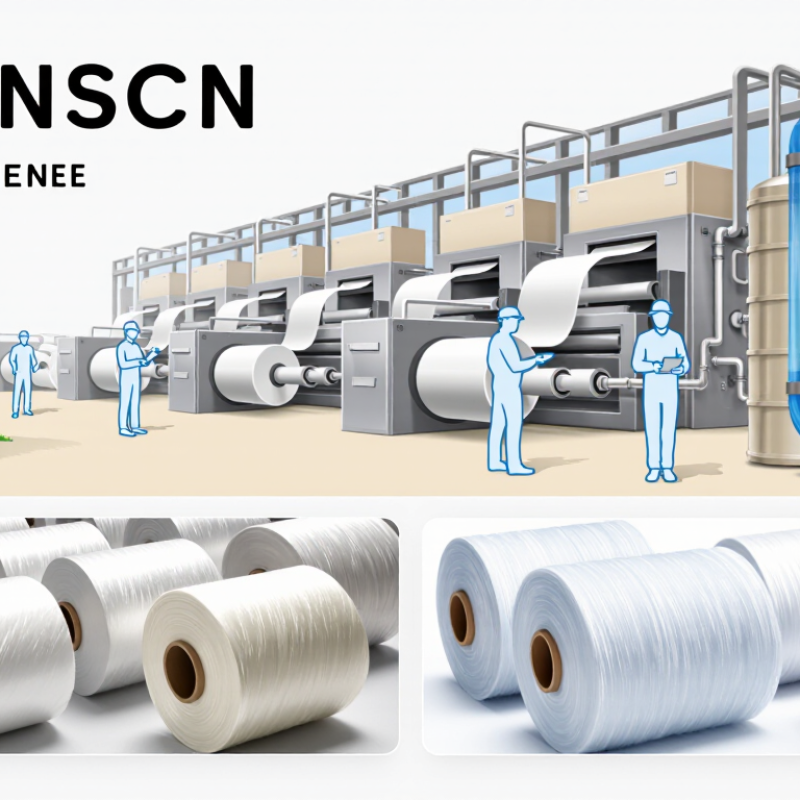
Top Cellulose Fiber Suppliers for Global Buyers

Understanding Cellulose Fibers and Their Global Applications

Cellulose fibers are made from cellulose, a structural material found in plants. Cotton and wood pulp are familiar sources, while some fibers are regenerated from dissolved pulp. Their feel and performance depend on the source and manufacturing process. Some are soft and absorbent; others are designed for strength or a smoother surface. Small differences matter.

These fibers serve many everyday uses. In clothing, they can help fabrics feel breathable against the skin. In paper and packaging, they provide structure and absorbency. Nonwoven cellulose fibers also appear in wipes, filters, and personal-care products. A towel’s ability to take up water, for example, depends partly on fiber structure and fabric construction—not simply the word “cellulose.”

Global buyers need to match fiber properties to the intended use. Relevant details include fiber length, fineness, moisture content, consistency, and compatibility with other materials. Ask for clear technical data and representative samples; a specification sheet alone may not reveal how a fiber behaves on production equipment. The label “cellulose” can sound reassuring, but it is not a complete sustainability assessment. Growing practices, energy use, processing chemicals, and wastewater management also deserve attention. A lower-impact claim needs evidence, and the evidence may vary by product and facility.

Types of Cellulose Fiber Suppliers and Products

Cellulose fiber suppliers generally fall into three groups. Pulp producers sell dissolving pulp, the feedstock used to make many regenerated fibers. Regenerated-fiber manufacturers convert pulp into staple fiber or continuous filament. Their products may include viscose, modal, and lyocell, each with different processing characteristics and performance. Natural-fiber suppliers offer cotton, flax, or hemp, often in forms such as bales, yarn, or prepared fiber. Some distributors combine products from several mills and can supply smaller trial quantities.

The product list matters as much as the supplier category. Textile buyers may need soft staple fiber for spinning, while nonwoven producers may require consistent length and bonding behavior. Technical grades can be designed for absorbency, strength, or use in blends. Cellulose acetate fibers are another cellulose-derived option, but they have distinct properties and should not be treated as interchangeable with regenerated cellulose. The terms on a specification sheet can be confusing. Names do not always line up neatly between suppliers.

Before ordering, compare fiber length, fineness, moisture, strength, and packaging details. Ask whether a quoted value is typical or a guaranteed limit. A small sample can reveal dust, uneven cut lengths, or handling issues that a product sheet misses. Request the relevant test method and production origin, too. One detail is easy to overlook: a sample may not represent every shipment. Clear specifications make comparison more dependable, though they cannot remove every sourcing uncertainty.

Top Cellulose Fiber Suppliers for Global Buyers - Types of Cellulose Fiber Suppliers and Products
Supplier Type Cellulose Material or Fiber Typical Product Forms Common Buyer Applications Key Sourcing Checks
Dissolving-pulp producers High-purity wood pulp or cotton-linter pulp designed for dissolution and conversion into cellulose derivatives or regenerated fibers. Pulp sheets, rolls, or bales; supplied to industrial processors rather than generally used as finished textile fiber. Viscose and lyocell production; cellulose ethers and other cellulose-based materials. Check pulp grade, cellulose purity, viscosity, brightness, moisture, consistency between lots, and intended processing compatibility.
Regenerated-fiber producers Viscose (rayon) staple fiber made by regenerating cellulose from dissolved pulp. Staple fiber in bales, with options such as different cut lengths, fineness levels, and finishes. Apparel, home textiles, nonwovens, and blends with cotton or synthetic fibers. Confirm denier or dtex, cut length, tensile properties, moisture regain, finish, color, and suitability for the planned spinning or nonwoven process.
High-wet-modulus rayon producers Regenerated cellulose fiber engineered for improved strength retention when wet compared with conventional viscose. Staple fiber in bales, typically offered in specifications for textile or technical applications. Durable apparel, home textiles, and products where wet strength is an important performance requirement. Review wet and dry strength, elongation, fineness, cut length, dyeing behavior, and applicable test methods.
Lyocell fiber producers Regenerated cellulose fiber made by dissolving cellulose directly in a solvent and extruding it into fibers. Staple fiber and, depending on supplier capability, filament yarn or other specified fiber forms. Apparel, bedding, absorbent products, and selected nonwoven applications. Specify fiber type, fineness, cut length, tensile properties, finish, color, and requirements for traceability or production-process documentation.
Cotton-linter processors Cellulose-rich short fibers removed from cottonseed; processed grades may be used as a source of purified cellulose. Raw or cleaned linters, pulp, and other grades defined by purity and processing requirements. Cellulose derivatives, specialty materials, and selected absorbent or technical products. Confirm grade and intended use, purity, residual impurities, moisture, particle or fiber form, and any applicable regulatory specifications.
Cellulose acetate fiber producers Cellulose chemically converted to cellulose acetate; this is a cellulose-derived fiber, not unmodified cellulose fiber. Filament yarn, staple fiber, or tow, depending on the product range. Textiles, filters, and specialty applications that require acetate-specific properties. Check acetate type, form, denier, strength, finish, color, and application-specific chemical or performance requirements.
Fiber distributors and sourcing agents May source and consolidate viscose, lyocell, acetate, pulp, or other cellulose-based materials from multiple producers. Packaged fiber or pulp lots, often with order quantities and delivery arrangements suited to buyer requirements. Buyers seeking consolidated sourcing, smaller shipments, or access to several material categories. Verify actual manufacturing origin, lot traceability, specification sheets, sample-to-bulk consistency, storage conditions, and the distributor’s role in quality claims.

Buyer note: “Cellulose fiber” can refer to natural fibers, regenerated fibers, or chemically modified cellulose-derived fibers. Confirm whether a quotation covers pulp, finished fiber, yarn, or tow, and compare specifications on the same test basis.

Criteria for Evaluating Suppliers in International Markets

Global buyers should evaluate cellulose fiber suppliers by consistency, traceability, and communication, not price alone. Ask for the fiber’s source, processing details, and current technical data. Compare moisture, brightness, fiber length, and contamination limits against your production needs. Request samples from more than one batch. A single sample may hide variation.

Paperwork matters. Check whether test reports identify the tested material and date. Confirm that any claimed certification covers the relevant product and facility; do not rely on a logo alone. Discuss packaging, pallet dimensions, lead times, and how the supplier handles delayed shipments. A technically suitable fiber can still cause problems if bags arrive damp or labels do not match purchase records.

Before a large order, agree on measurable acceptance criteria and a process for resolving quality disputes. Ask how batch changes are communicated, and who responds when a shipment fails inspection. A polished sample is not proof of reliable supply. It is also worth checking references, though they may not reflect your exact application. No scorecard catches everything; a cautious trial order can reveal practical issues that documents miss.

Leading Cellulose Fiber Suppliers and Their Capabilities

Leading cellulose fiber suppliers are defined by more than production volume. Their capabilities include selecting suitable pulp, controlling fiber properties, and maintaining consistent output across shipments. Buyers should ask which fiber types are available, such as viscose, modal, or lyocell, and request technical data for each grade. Small differences matter. Fiber length, fineness, moisture, and tensile strength can affect spinning performance and fabric feel.

Reliable suppliers can explain how they monitor these properties and share recent test reports. Ask about production capacity, lead times, packaging, and the process for handling defects. A supplier serving a large mill may not suit a small trial order. Neither scale alone proves quality. A polished brochure is not proof.

Traceability also deserves practical scrutiny. Request documentation showing where the wood pulp comes from and what environmental or quality standards the supplier follows. Check that certificates are current and cover the relevant product or facility. Samples can help, but they cannot guarantee every shipment will match. Compare sample results with agreed specifications, then review consistency during repeat orders. Even careful checks leave some uncertainty, so keep communication direct and record any changes to fiber grades or delivery schedules.

Sourcing, Quality, and Logistics Considerations for Buyers

Top Cellulose Fiber Suppliers for Global Buyers

Sourcing, Quality, and Logistics Considerations for Buyers

Selecting a cellulose fiber supplier takes more than comparing quoted prices. Buyers should confirm the fiber type, grade, cut length, moisture range, and intended application. Request a current technical data sheet and a representative sample. Then compare samples under the same production conditions.

A fiber that handles well in a small trial may behave differently on a fast line. Small differences matter. Ask how lots are identified and whether test results accompany each shipment.

Tips: Define acceptance limits before ordering. Keep a sealed reference sample. Ask suppliers to explain unusual variation, not merely replace the paperwork.

Logistics can change the real cost. Confirm packaging dimensions, pallet stability, loading limits, and expected lead times before approving volume. For long routes, discuss moisture protection and storage conditions; damp packaging can complicate handling and affect consistency.

Request shipment updates and clarify who coordinates export documents and delivery appointments. These details may seem routine, yet a missed booking can interrupt production. Supplier assurances are useful, but verify critical claims through documented specifications and incoming checks. No sourcing plan is perfect; leave room for a trial order and adjust after observing actual performance.