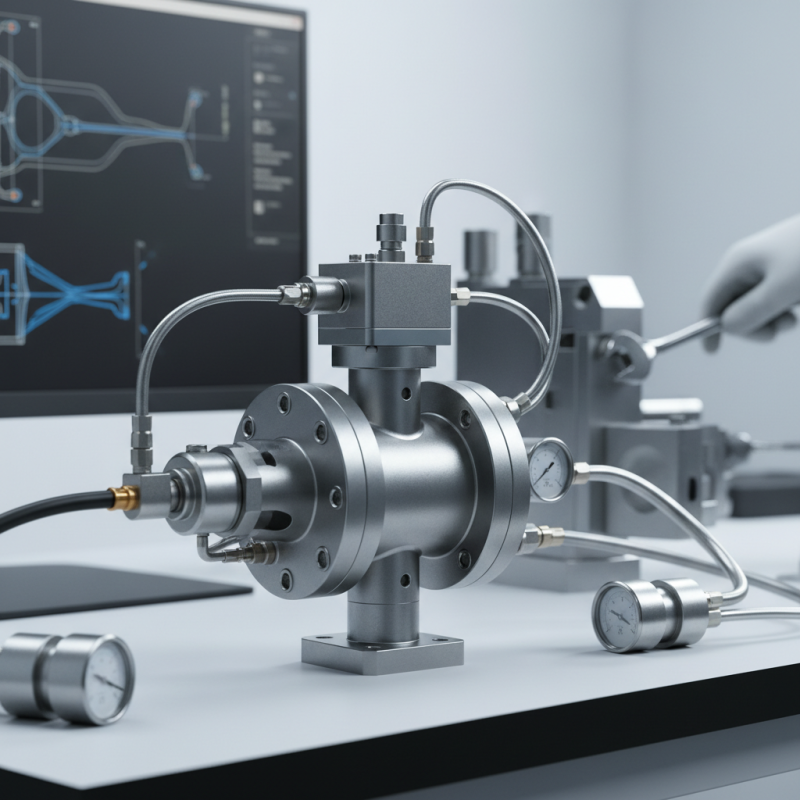
Top 5 Tips for Choosing a Hydraulic Proportional Valve?
Choosing the right Hydraulic Proportional Valve is essential for modern hydraulic systems. These valves control fluid flow, ensuring efficiency and precision. Industry reports show that improper valve selection can lead to a 20% drop in system performance. This highlights the need for careful evaluation.
Consider the application requirements. Different industries, from automotive to manufacturing, have unique demands. Understanding these can prevent costly errors. A mismatch may result in excess energy consumption or equipment damage.
Quality is another factor to ponder. Not all valves are created equal. A cheaper option may save money upfront but could lead to higher maintenance costs in the long run. Reflect on the long-term implications before making a choice. Selecting the right Hydraulic Proportional Valve necessitates a balanced approach, weighing specifications and practical needs.
Understanding Hydraulic Proportional Valves: An Overview
Hydraulic proportional valves play a crucial role in many industrial applications. They regulate the flow and pressure of hydraulic fluids, providing precision and control. This technology is vital in fields like manufacturing, construction, and robotics. According to a recent industry report, the global market for hydraulic valves is projected to reach $7 billion by 2025, highlighting their importance.
Choosing the right hydraulic proportional valve requires careful consideration. Tip one involves evaluating the flow characteristics. Every application has unique requirements for flow rate and pressure. Understanding these needs helps in selecting a valve that ensures optimal performance.
Another key aspect is the response time of the valve. Quick and accurate modulation is necessary for applications with dynamic loads. Tip two is to check the specifications of the valve for its response time data. This metric ensures your system operates efficiently without lag, preventing potential system failures.
It’s also essential to consider the environmental conditions where the valve will operate. For example, temperature and contamination levels can affect valve performance. Tip three suggests assessing the installation environment thoroughly. This knowledge helps avoid costly mistakes.
By focusing on these details, you can make a more informed choice. Each aspect contributes to the overall performance and longevity of the hydraulic system. Understanding these nuances is key in the selection process. Proper attention will save time and resources.
Key Specifications to Consider When Selecting a Proportional Valve
When selecting a hydraulic proportional valve, focus on key specifications that impact performance. One important factor is the flow rate. This specification determines how much fluid can move through the valve, affecting the system's overall efficiency. Consider the maximum flow rate required for your specific application. Too low a rating might hinder performance.
Another specification to examine is the pressure rating. High pressure can lead to increased system reliability. However, valves rated for excessive pressure might be over-engineered for your needs, leading to unnecessary costs. Evaluate your system's requirements carefully to avoid such pitfalls.
Lastly, consider the valve type and control mechanism. Proportional valves can be electrically or mechanically controlled. Choose one that aligns with your control strategy. Think about the setup in your system. A poorly matched control type can lead to inefficient operation and added complexities. Evaluating these aspects will help boost your hydraulic system's effectiveness.
Top 5 Tips for Choosing a Hydraulic Proportional Valve
Evaluating Performance: Flow Rate and Pressure Ratings Explained
When selecting a hydraulic proportional valve, understanding the flow rate and pressure ratings is crucial. These two factors determine how efficiently the valve operates in your system. Flow rate indicates the volume of fluid passing through the valve, while pressure ratings reveal the valve's capacity to withstand operational stress. Properly assessing these metrics can enhance your machinery's performance.
Consider evaluating flow rate first. A higher flow rate often means better performance, but it can lead to excessive noise and erosion. Choose a valve that matches the specific requirements of your application. Next, examine pressure ratings. A valve must fit the system's maximum pressure limits. An underrated valve may fail, while an overrated one can be costly and inefficient.
Tip: Don't ignore compatibility with your existing equipment. Mismatches can cause serious issues. Always consult technical specifications and cross-reference them with your system needs. Look for potential wear over time, as this can affect performance. Also, remember that installation quality impacts functionality. Be attentive to details. Optimal choices today can avoid costly repairs tomorrow.
Top 5 Tips for Choosing a Hydraulic Proportional Valve
| Parameter | Description | Recommended Range |
| Flow Rate | The volume of hydraulic fluid that can pass through the valve in a given time. | 10 - 200 L/min |
| Pressure Rating | The maximum pressure at which the valve can operate safely. | 10 - 350 bar |
| Response Time | Time taken for the valve to react to control signals. | < 50 ms |
| Temperature Resistance | The range of temperatures the valve can function in without failure. | -20°C to 80°C |
| Control Type | The method by which the valve is controlled (manual, electric, etc.). | Proportional Electric Control |
Importance of Valve Size and Configuration in Hydraulic Systems
Choosing the right size and configuration for hydraulic valves is crucial. The wrong size can hinder performance. It may lead to inefficient operation. Larger valves can result in wasted energy. Smaller valves might not provide enough flow. Balance is key.
Configuration is equally important. It affects how the valve responds to inputs. A poorly configured system can lead to erratic movements. This creates wear and tear. Additionally, you might face higher maintenance costs. Every application demands a unique approach.
Reflecting on valve selection, details matter. Pay attention to the specifications required. Take time to assess the system's demands. Not all installations are straightforward. Overlooking nuances can lead to mistakes. Aim for compatibility with existing components. It's a process worth investing time in.
Assessing Manufacturer Reputation and Support for Proportional Valves
When selecting a hydraulic proportional valve, assessing manufacturer reputation is crucial. A strong reputation signifies reliability. According to industry reports, companies with over 20 years of experience often provide better support. Customer reviews can reveal frequent issues. A manufacturer’s response rate to inquiries is also telling. Manufacturers with a quick turnaround tend to prioritize customer service.
Tip 1: Research the manufacturer's history. Look for client testimonials and case studies. A company that showcases successful projects is more trustworthy.
Support is another essential factor. A good manufacturer offers more than just products. They should provide comprehensive technical support. A study indicates that up to 30% of users experience difficulties post-purchase. This highlights the importance of ongoing assistance.
Tip 2: Explore training options and user manuals. Effective training can reduce operational mistakes.
Tip 3: Check for warranty and service agreements. A generous policy might suggest the manufacturer’s confidence in their product quality. However, some providers do not honor these agreements consistently. Therefore, read the fine print. Always ensure you understand the terms before making a decision. Strong support can make a considerable difference in operational efficiency.