What is a Steering Cylinder and How Does it Work?
A Steering Cylinder is a crucial component in many vehicles. It plays a key role in guiding the direction of the wheels. This cylinder transforms hydraulic pressure into mechanical motion. By doing so, it allows drivers to steer with ease. Understanding how it works is essential for anyone interested in vehicle mechanics.
The Steering Cylinder consists of several parts. It usually includes a piston that moves within a cylinder. When hydraulic fluid is applied, pressure builds up. This pressure pushes the piston, turning the steering mechanism. Many people might overlook this component. However, its role is vital in safe driving.
The performance of the Steering Cylinder can vary. Factors like wear and tear can impact its function. Regular maintenance is necessary for optimal performance. Some may find it easy to ignore these details. But knowing about the Steering Cylinder can enhance driving safety. Understanding its intricacies can be challenging yet rewarding. It’s worth reflecting on how this small component affects our daily driving experience.
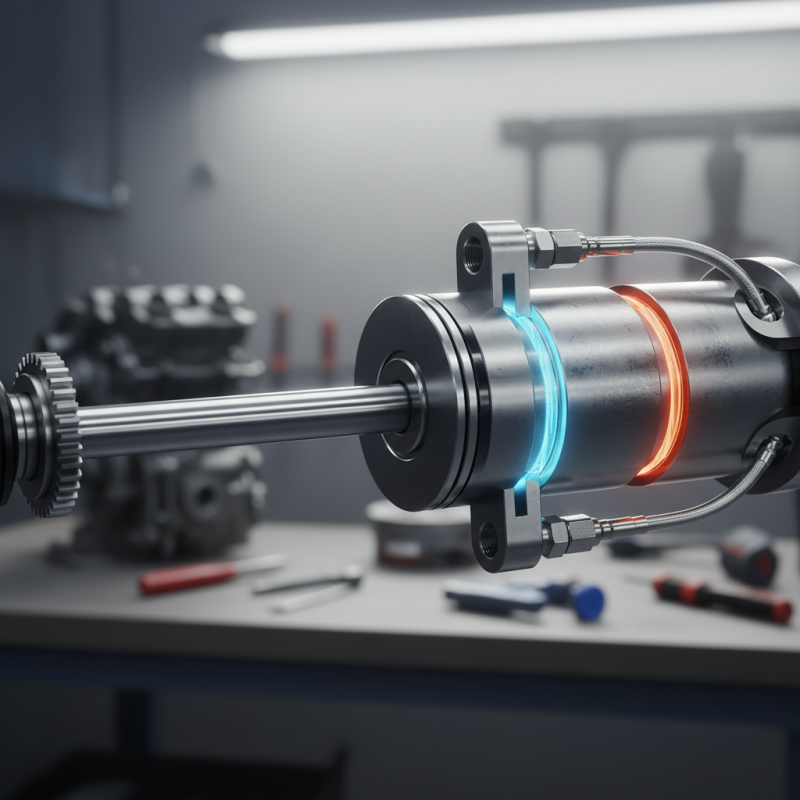
Understanding the Definition of a Steering Cylinder
A steering cylinder is a critical component in hydraulic steering systems. It plays a significant role in ensuring smooth vehicle maneuverability. Essentially, this device uses hydraulic pressure to assist drivers in turning the vehicle's wheels. The steering cylinder connects to the steering wheel, translating the driver’s input into wheel movement.
In operation, the steering cylinder works by creating a force through hydraulic fluid. When the driver turns the steering wheel, the cylinder activates. This action pushes hydraulic fluid, prompting the steering gear to turn the wheels correspondingly. It's fascinating to note how this mechanism significantly reduces the physical effort required by the driver. However, there can be challenges. Issues like leaks or air in the hydraulic system may hinder effective operation.
Understanding the steering cylinder's function is crucial for vehicle maintenance. Regular checks are necessary to ensure optimal performance. A well-functioning steering cylinder enhances safety and driving ease. On the other hand, neglecting its upkeep can lead to serious handling problems. Drivers should remain vigilant for signs of wear. This can prevent minor issues from escalating into major concerns.
Components of a Steering Cylinder Explained
A steering cylinder is a crucial component in hydraulic steering systems. It converts hydraulic energy into mechanical motion. This allows the driver to steer the vehicle with minimal effort. The cylinder typically consists of a barrel, piston, and seals. These parts work seamlessly to create high pressure when the fluid is pumped in.
When the steering wheel is turned, hydraulic fluid enters the cylinder. The pressure pushes the piston, moving the gear linkage and altering the vehicle's direction. Seals prevent fluid leaks, ensuring efficiency and responsiveness. Any damage to the seals can lead to performance issues. Regular maintenance is essential for optimal function.
In addition to the standard components, some steering cylinders have extra features. These may include dampers or accumulators to enhance steering feel. However, these added components can complicate repairs. Understanding these parts can help in recognizing potential problems. A keen eye on wear and tear goes a long way.
How a Steering Cylinder Operates Mechanically
The steering cylinder is a crucial component in many vehicles, facilitating smooth navigation. It uses hydraulic pressure to transform driver input into movement. The cylinder works by using fluid to create force, allowing for precise control of the steering system.
When you turn the steering wheel, a mechanism engages the steering cylinder. Fluid is pushed into one side of the cylinder, while the other side releases fluid. This imbalance creates movement, translating the driver's intention into action. The outcome should be a seamless turn, but often, it may feel unbalanced or slow.
Components within the cylinder wear over time. Seals may leak, or the fluid can become contaminated. Regular maintenance is vital. Checking fluid levels is one way to catch problems early. Observation is essential. If steering feels off, further investigation is needed. Sometimes, minor adjustments can make a significant difference. Reacting promptly to changes can enhance performance and improve safety.
What is a Steering Cylinder and How Does it Work? - How a Steering Cylinder Operates Mechanically
| Component | Function | Material | Typical Applications |
| Cylinder Body | Houses the hydraulic fluid and piston | Steel or Aluminum | Automobiles, Heavy Machinery |
| Piston | Converts hydraulic pressure into linear motion | Aluminum | Trucks, Forklifts |
| Seals | Prevents hydraulic fluid leakage | Rubber or Polymer | All Hydraulic Steering Systems |
| Mounting Bracket | Secures the cylinder to the vehicle | Steel | Heavy Equipment, Buses |
| Hydraulic Lines | Transports hydraulic fluid to and from the cylinder | Synthetic Rubber or Steel | Cars, Construction Equipment |
Applications of Steering Cylinders in Different Vehicles
Steering cylinders play a crucial role in the steering mechanisms of various vehicles. These components ensure precise control over direction. In agricultural machinery, for example, steering cylinders help navigate through tough terrains. They allow farmers to operate equipment efficiently, enhancing productivity. Some reports indicate that over 70% of modern tractors use hydraulic steering systems, showcasing their popularity.
In construction vehicles, steering cylinders offer significant advantages. They provide better maneuverability for large equipment like excavators and bulldozers. Using hydraulic systems in these vehicles allows for quick adjustments, making them effective on crowded job sites. A study shows these systems can reduce operator fatigue by up to 30%, further improving efficiency.
Tips: Regular maintenance of steering cylinders is essential. Inspecting fluid levels often can prevent leaks and ensure smooth operation. Additionally, checking for wear and tear can save costs in the long run. Pay attention to unusual noises; they might indicate issues needing immediate attention.
Common Issues and Maintenance Tips for Steering Cylinders
Steering cylinders are vital for vehicle steering systems. They allow for smooth and precise control. Over time, various issues may arise. Common problems include leaks, reduced responsiveness, and unusual noises. These can disrupt steering performance and pose safety risks.
Regular maintenance is essential for longevity. Inspect the steering cylinder for leaks frequently. Check hydraulic fluid levels and replace it if necessary. Also, clean components to prevent dirt accumulation. Monitor for signs of wear, like cracks or dents. Ignoring these can lead to bigger issues later on.
Many vehicle owners overlook the importance of steering maintenance. It's easy to think it’s unnecessary until a problem arises. A proactive approach can save you time and money. Understanding how your steering cylinder works can lead to better care. Don't wait for major failures before taking action.
