Why Do You Need a Reliable Battery Connector for Your Devices?
In today’s tech-driven world, the reliability of Battery Connectors is crucial for device performance. According to a report by the International Battery Association, faulty connectors contribute to 23% of device failures. This statistic emphasizes the importance of quality in design and materials used for connectors. Expert John Anderson, a senior engineer in the battery technology sector, highlights this concern: "A dependable battery connector can drastically reduce potential device failures."
Battery connectors are more than just components; they are lifelines for electronic devices. Whether in smartphones, electric vehicles, or medical equipment, they ensure seamless energy flow. A small defect in a connector can lead to unexpected shutdowns, affecting productivity and user satisfaction. Research indicates that over 30% of battery-related complaints stem from connectivity issues. This reveals a pressing need for manufacturers to prioritize high-grade battery connectors.
Investing in advanced battery connector technology might seem insignificant at first. However, the long-term benefits far outweigh initial costs. It’s essential for businesses to analyze connector options carefully. A robust approach can reduce failures and enhance overall device reliability, but many still overlook this critical element. The conversation around battery connectors deserves more attention.
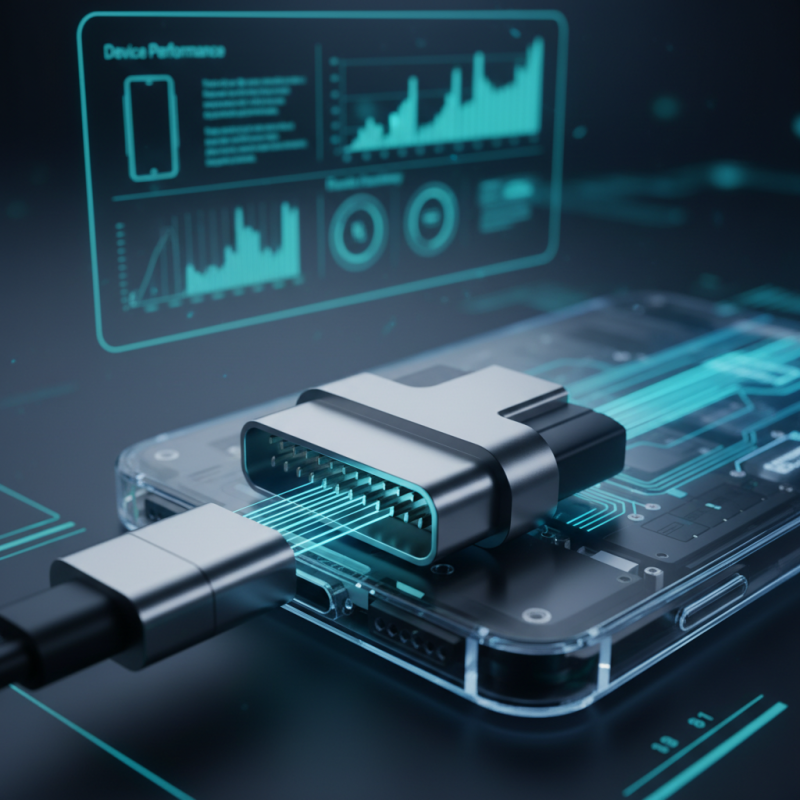
Importance of Battery Connectors in Electronic Devices
Battery connectors play a crucial role in the functionality of electronic devices. They provide a safe and efficient connection between the battery and the device itself. A reliable connector ensures that power flows smoothly, allowing your device to operate efficiently. Poor-quality connectors can lead to intermittent connections and unexpected shutdowns, ultimately affecting user experience.
In many cases, users overlook the importance of quality battery connectors. This oversight can result in device malfunctions or damage over time. Devices may experience slow charging or fail to hold a charge. These issues can stem from worn or incompatible connectors. Therefore, investing in reliable connectors can enhance longevity and performance.
Moreover, battery connectors must be designed for specific applications. For example, electronic devices used in extreme conditions need connectors that withstand such environments. Not every connector is created equal, and choosing the wrong one can lead to serious operational issues. Users should always consider the performance requirements of their devices when selecting connectors. A careful approach can prevent functional breakdowns and frustrations in daily use.
Types of Battery Connectors and Their Applications
When it comes to battery connectors, variety is key. Different applications require specific types of connectors. For instance, the popular JST connectors are compact and lightweight. They are widely used in models and drones due to their space-saving design. Their low-profile nature allows for easy integration into tight spaces.
Another common type is the Anderson Powerpole connectors. These are known for their reliability and versatility. They can handle high currents and are often used in amateur radio systems and electric vehicles. Their modular design simplifies connecting and disconnecting batteries without the worry of reverse polarity.
Not all connectors are created equal. The wrong choice can lead to overheating, frequent disconnections, or even damage to devices. It’s essential to consider not just the specifications but also the environment they’ll be used in. In outdoor applications, for example, waterproof connectors may be necessary to enhance longevity. Choosing the right battery connector should be a thoughtful process, with attention to details that can significantly affect device performance.
Factors to Consider When Choosing a Reliable Battery Connector
When choosing a reliable battery connector, several critical factors come into play. Connection reliability is paramount. A weak connection can lead to energy loss, negative performance, and device failure. According to a study by the Institute of Electrical and Electronics Engineers, nearly 30% of electrical failures stem from poor connectors. It's vital to assess the design and material of connectors. High-quality materials can withstand various environmental conditions, ensuring longevity and safety.
Compatibility is another key factor. Not all connectors work seamlessly with every type of battery or device. It's crucial to match the specifications of the battery and device, such as voltage and current ratings. A mismatch can result in overheating or even fire hazards. Research shows that electrical accidents linked to improper connectors lead to significant losses, averaging $1 million per incident in industrial settings.
Additionally, consider the connector's ease of use in real-world scenarios. Are they user-friendly for assembly or maintenance? A complicated design can lead to mistakes and unnecessary downtime. Safety standards are also critical. Ensure that the connectors meet relevant industry standards to guarantee safety and reliability. Each of these elements plays a vital role in the performance and safety of your devices. Ignoring them could result in serious consequences down the line.
Impact of Poor Battery Connectors on Device Performance
Poor battery connectors can greatly affect device performance. A loose or damaged connector may result in intermittent power failures. Devices might shut down unexpectedly. This can lead to data loss and frustration for users relying on their devices for daily tasks.
Heat generation is another consequence of poor connections. When connectors do not fit securely, electrical resistance increases. This can cause overheating, potentially damaging internal components. A reliable connector can prevent these issues, ensuring a stable supply of power. Devices run smoothly when they have the right connectors.
Many users overlook the importance of battery connectors. It’s easy to think that any connector will do the job. However, investing in high-quality connectors is crucial for long-term functionality. When in doubt about connector quality, consider seeking expert guidance. A little research can go a long way in improving device reliability.
Impact of Poor Battery Connectors on Device Performance
Maintenance Tips for Extending Battery Connector Lifespan
A reliable battery connector is essential for any device that relies on batteries for power. To ensure longevity, proper maintenance is crucial. Regularly check for dirt or corrosion on the connectors. Cleaning them can significantly enhance their performance. Use a soft cloth or a specialized cleaner to carefully remove any debris.
Temperature fluctuations can impact battery connectors. Extreme heat or cold can cause metal to expand or contract. This can lead to loose connections. Store devices in a climate-controlled environment whenever possible. It’s also wise to keep connectors dry. Moisture can lead to rapid deterioration. Consider using dielectric grease to provide a protective barrier.
In some cases, connectors may wear out over time. Inspect them regularly for signs of damage. If you notice bent pins or fraying wires, it might be time to replace them. Using the right tools and techniques during this process is key. Not all replacements are equal. Research suitable options to ensure optimal compatibility. Being proactive about your battery connectors can make a significant difference.
Why Do You Need a Reliable Battery Connector for Your Devices? - Maintenance Tips for Extending Battery Connector Lifespan
| Dimension | Details |
| Connector Type | Example: JST, Molex, XT60 |
| Material | Copper, Plastic, Gold Plating |
| Current Rating | 5A, 10A, 20A |
| Voltage Rating | 5V, 12V, 24V |
| Contact Resistance | Low (<10 mΩ preferred) |
| Lifespan | Over 1000 connect/disconnect cycles |
| Maintenance Tips | Keep clean, avoid stress on connectors, use cooling solutions |
