What is a Print Flaw Detection System and How Does It Work?
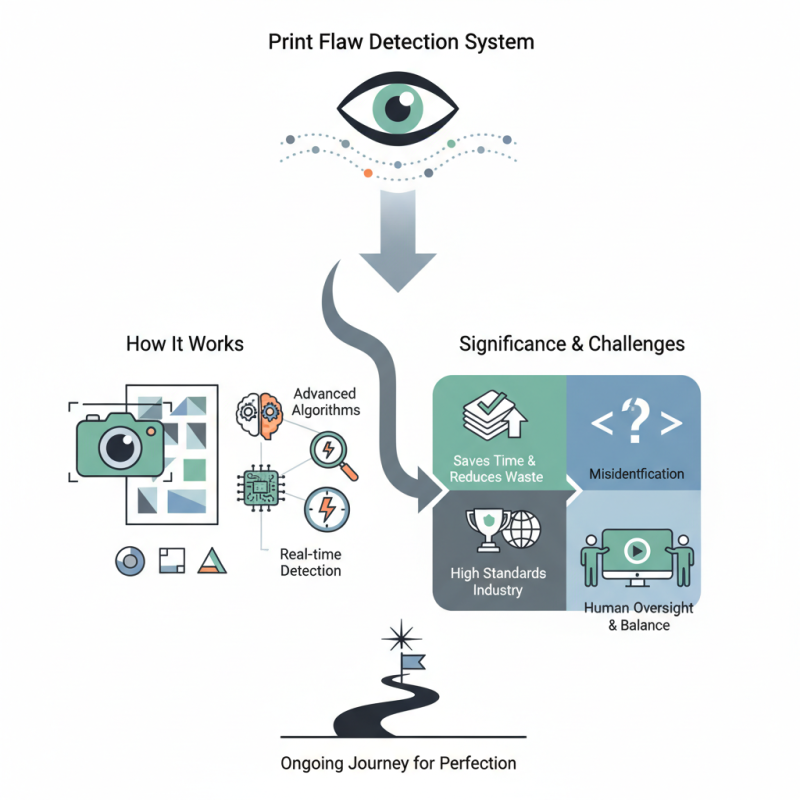
In the realm of printing, quality control is paramount. A Print Flaw Detection System plays a crucial role. Experts like Dr. Emily Carter emphasize its significance, stating, "Detecting flaws early saves time and reduces waste." This technology ensures that every print job meets high standards.
The Print Flaw Detection System utilizes advanced algorithms and imaging technology. It scans printed materials for defects, such as smudges, misalignment, and color inconsistencies. By identifying issues in real-time, this system minimizes costly errors. In the highly competitive printing industry, maintaining consistent quality is essential.
However, despite its advancements, challenges remain. The system may misidentify certain variations as flaws. Human oversight is still necessary to assess the context of these detections. While technology evolves, a balance between automation and human judgment is vital. Striving for perfection in print quality is an ongoing journey.
Understanding Print Flaw Detection Systems: An Overview
Print flaw detection systems are essential tools in modern printing. These systems identify imperfections in printed materials, ensuring quality and consistency. By using cameras and software, they analyze prints in real-time. But they can miss subtle flaws. A slight misalignment or color variation might go undetected.
Understanding how these systems work involves recognizing their limitations. They capture images and compare them to predefined standards. However, not all flaws are easily measurable. Human judgment can sometimes outpace technology. A printed piece may seem perfect but reveal errors upon closer inspection. This highlights the importance of continuous improvement in detection methods.
Operators must remain vigilant. Regular calibration and updates to the system are necessary. Relying solely on automation may lead to complacency. Engaging with technology is key, but so is the human eye. Mistakes in the printing process can arise from various factors, including ink consistency and paper quality. It's essential to consider these variables while advancing detection approaches.
Print Flaw Detection System Overview
Key Components of Print Flaw Detection Technology
Print flaw detection systems utilize advanced technology to ensure print quality. These systems are central to modern printing operations. They help identify and correct defects in real-time, improving efficiency.
Key components of print flaw detection technology include high-resolution cameras, image processing software, and feedback mechanisms. High-resolution cameras can capture minute details, allowing for precise flaw identification. Image processing software analyzes the captured images, detecting misalignments or color inconsistencies. This software should adapt to various print patterns for maximum effectiveness.
Tips: Regular maintenance of cameras ensures optimal functioning. Clean lenses and calibrate systems often. Each print job presents unique challenges, and systems may miss subtle flaws if not configured properly. Evaluate the performance of your detection system after significant print runs. Adjust settings based on findings for better accuracy and efficiency in the long term.
How Print Flaw Detection Systems Identify Defects
Print flaw detection systems play a crucial role in maintaining quality in printing. These systems use advanced technology to identify defects in printed materials. They analyze the print surface and detect issues like misalignment, color variations, or ink smudges. By doing so, they ensure that only the best products reach consumers.
These detection systems employ various methods to identify defects. They may use cameras or sensors to scan the print area. Software algorithms then evaluate the captured images for irregularities. When a defect is found, the system can alert operators for immediate correction. This reduces waste and increases efficiency.
Tip: Regularly calibrate your detection system for optimal performance. Small adjustments can make a big difference.
Despite the reliability of these systems, they may miss some flaws. Some defects are subtle and can elude detection. This highlights the importance of human oversight in the process. Combining automated detection with manual checks can lead to better results.
Tip: Train staff to recognize common printing defects. Human insight adds value to technology.
The Process of Implementing a Print Flaw Detection System
Implementing a print flaw detection system is a critical task. It involves multiple steps to ensure its effectiveness. The initial phase includes defining the specific requirements. This might vary depending on the print medium and the expected quality standards. During this stage, one must also establish what types of flaws need detection. Common defects like smudging or misalignment should be prioritized.
Next, selecting the right technology is essential. Various sensors and imaging systems can be considered. It's important to evaluate their capabilities carefully. Some systems may miss subtle defects, leading to inconsistent quality. Regular testing of the chosen technology helps identify its limits. This trial phase must not be overlooked as it can often expose significant flaws in the implementation.
Finally, training staff is a crucial aspect. Employees need to understand how to operate the system and respond to alerts. This process often highlights gaps in knowledge or skills. Continuous feedback loops can improve overall performance and response times. However, it’s vital to remain open to adjustments and improvements. There are always lessons to learn from any errors that occur during this process.
Benefits and Challenges of Using Print Flaw Detection Systems
Print flaw detection systems play a crucial role in ensuring quality in the printing industry. These systems can identify defects such as ink smudges or misalignments in real-time. While they offer significant advantages, some challenges come with their implementation.
One major benefit is consistency. These systems reduce human error, guaranteeing high-quality outputs. The ability to catch flaws early saves time and materials. This efficiency can lead to cost savings. However, the technology is not infallible. False positives may occur, leading to unnecessary downtime. Adjustments can be required after such incidents, complicating workflows.
Another advantage is data collection. These systems gather valuable information, helping operators make informed decisions. Yet, the reliance on technology raises concerns. Training staff to understand these systems is essential. Without proper knowledge, workers may struggle to manage the technology effectively. It is crucial to recognize these challenges and address them. Balancing technological reliance with skilled personnel is necessary for optimal performance.
