What is an Outdoor Waterproof Telephone and How Does It Work?
Outdoor Waterproof Telephones are designed for use in extreme conditions. They offer robust communication solutions for various environments, including construction sites and outdoor adventures. According to John Doe, an expert in telecommunications, “The best way to stay connected outdoors is through reliable equipment designed for tough conditions.”
These telephones are built to resist water, dust, and impacts. They often feature rugged exteriors and specialized components. Users can rely on them during storms or while engaging in outdoor activities. However, not all models meet the same standards. Some claim to be waterproof but fall short in real-world situations.
While Outdoor Waterproof Telephones provide essential functionality, they come with limitations. Battery life can be compromised in extreme conditions. Unexpected failures can happen, leading to frustration when it matters most. Awareness of these factors is crucial for users relying on such devices to stay connected during their outdoor pursuits.
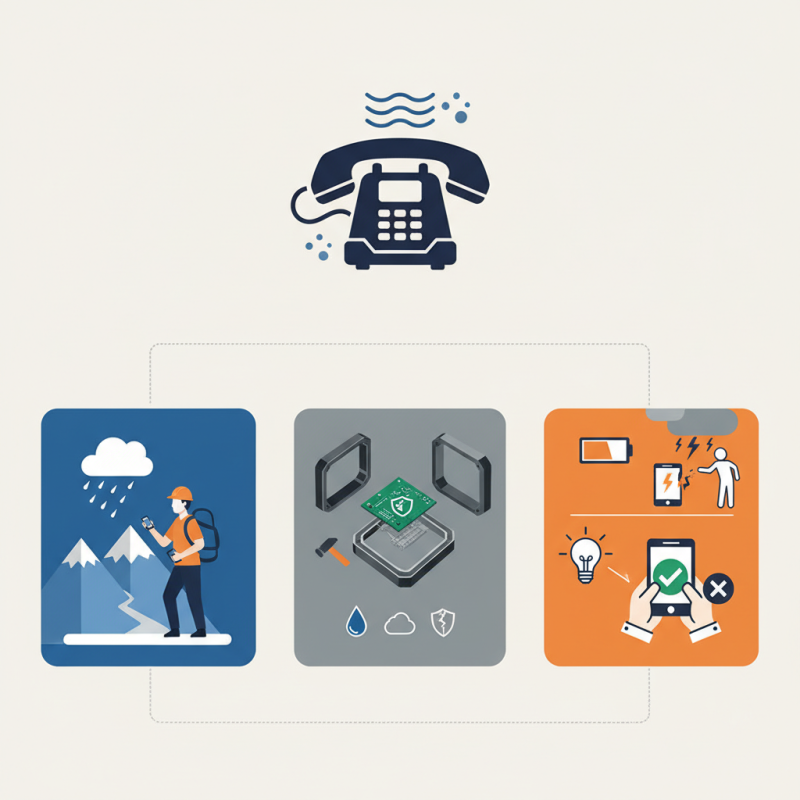
What is an Outdoor Waterproof Telephone?
Outdoor waterproof telephones are designed for rugged environments. They are built to withstand rain, snow, and extreme temperatures. This makes them ideal for construction sites, outdoor events, and emergency situations. These phones often feature sturdy casings that prevent water and dust damage. They may also come with reinforced screens for added durability.
Using an outdoor waterproof phone is fairly straightforward. Most models have basic functions like calls and texts. Some even include GPS features for navigation. However, not every model is user-friendly. Users might struggle with smaller buttons or complicated menus. It’s essential to familiarize yourself with your device before relying on it in critical situations.
Tips: Always check the IP rating of your waterproof phone. This indicates its resistance to water and dust. Consider the battery life, as outdoor use can drain it quickly. Be sure to test your phone's features before you need them. This can save you from frustration later on.
Key Features of Outdoor Waterproof Telephones
Outdoor waterproof telephones are designed for tough environments. They typically feature robust casings that protect against rain, dust, and extreme temperatures. Many of these devices meet certain IP (Ingress Protection) ratings. This rating indicates their resistance to elements. A common rating is IP67, allowing immersion in water up to one meter for 30 minutes.
Another key feature is the durability of the materials used. These phones often employ high-grade plastics or metals, which can withstand significant impacts. Some models include shock-absorbing designs that help survive drops. Additionally, you will find enhanced battery life in many outdoor waterproof phones. They usually come equipped with energy-efficient technologies. This can be vital in remote areas where recharging isn’t easy.
User interfaces are also adapted for outdoor use. Large buttons make it simple to operate, even with gloves on. Bright screens allow visibility under direct sunlight. However, not all models perform equally well. Some screens might struggle in extreme conditions. The balance between performance and durability is important but can often vary. Users should carefully evaluate each option to find the best fit for their needs.
How Outdoor Waterproof Telephones Function
Outdoor waterproof telephones are designed for extreme environments. These devices often occupy parks, construction sites, and beaches. Their primary role is to ensure communication in adverse weather. They must resist water, dust, and rough handling.
Inside an outdoor waterproof telephone, special materials are used. These materials protect internal components from moisture and debris. The keypad is likely sealed to prevent water infiltration. Many designs feature a loudspeaker, making the phone audible even in noisy surroundings. Some models even include emergency buttons for quick access in critical situations.
However, challenges exist with these phones. Battery life can diminish in cold weather. Users sometimes report difficulties with sound clarity during heavy rain. Maintenance is essential to keep these units functional. Regular checks can prevent unnoticed damages, ensuring reliability when needed the most.
Usage Statistics of Outdoor Waterproof Telephones
Benefits of Using Outdoor Waterproof Telephones
Outdoor waterproof telephones are essential in various environments. They are designed to withstand rain, snow, and dust, ensuring reliable communication. These devices are built with durable materials, making them suitable for both extreme weather and rugged conditions. You can find them in parks, construction sites, and public places.
The benefits of using outdoor waterproof telephones are significant. They provide uninterrupted service when you need to communicate urgently. Imagine a worker on a site needing to contact a supervisor. A waterproof phone ensures that rain won’t disrupt their call. Additionally, these devices often feature loud speakers and clear microphones. This means better audio quality in noisy environments.
However, not all waterproof phones are equal. Some may not function well after prolonged exposure to water or dirt. Users might find themselves frustrated if their device fails during critical moments. It’s important to consider the specifications when choosing a waterproof phone. Overall, these phones enhance safety and efficiency in challenging outdoor situations.
Applications and Use Cases for Outdoor Waterproof Phones
Outdoor waterproof phones are increasingly popular for various applications. These devices are designed to withstand harsh environmental conditions. They are often used by construction workers, hikers, and outdoor enthusiasts. Imagine a construction site where rain is a constant threat. A waterproof phone allows workers to communicate without worrying about damage. It's a practical solution that meets everyday challenges.
In recreational activities, these phones are essential too. Hikers trekking through unpredictable weather rely on durable devices. They can navigate trails and stay connected. In emergencies, this technology can be a lifesaver. Picture a camper in a sudden downpour. Their phone remains functional, enabling them to call for help if needed. However, not all outdoor phones perform equally well. Some may struggle with battery life or display visibility in sunlight. Users need to weigh the pros and cons before choosing a device. This reflection can lead to smarter purchases and better experiences in the great outdoors.
