2026 How to Optimize PC Board Assembly for Efficient Manufacturing?
In today's fast-paced electronics market, optimizing PC Board Assembly is crucial. Efficient manufacturing not only reduces costs but also enhances product quality. Companies face immense pressure to innovate and meet consumer demands.
Every step in the PC Board Assembly process impacts overall efficiency. From component selection to soldering techniques, small changes can lead to significant improvements. However, the journey is not without challenges. Many manufacturers struggle with waste and assembly errors that can derail production timelines.
Understanding the intricacies of PC Board Assembly requires expertise. It's vital to analyze each phase critically. Identifying bottlenecks and implementing lean practices can drive efficiency. The goal is to create a streamlined workflow that minimizes mistakes while maximizing output. Continuous improvement is key in this evolving field.
Understanding PC Board Assembly Processes and Their Importance
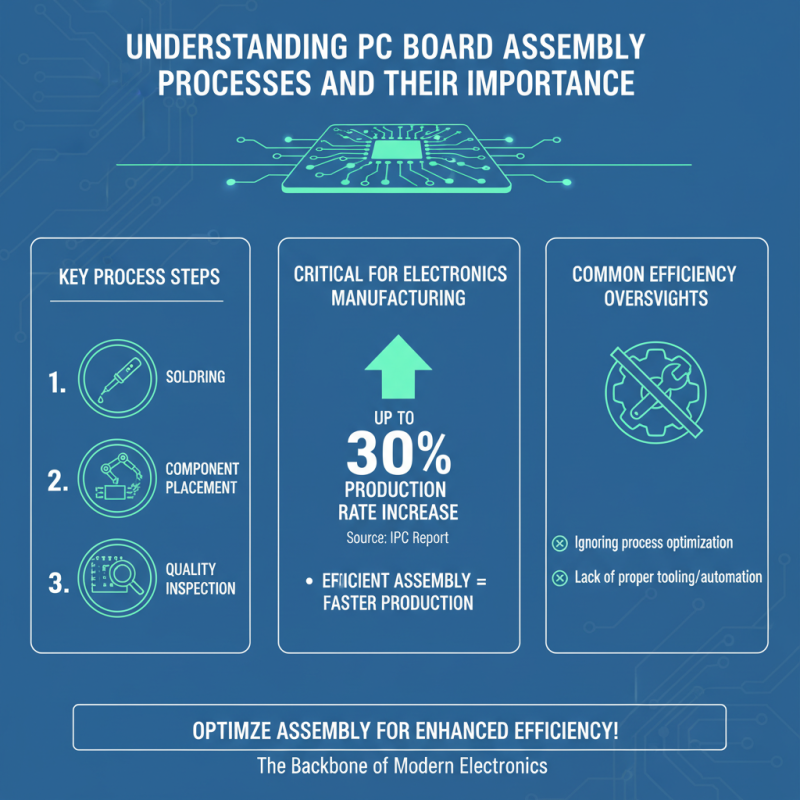
PC board assembly is a critical aspect of electronics manufacturing. This process involves multiple steps, including soldering, placement, and inspection. According to a report by IPC, efficient assembly can improve production rates by up to 30%. However, many manufacturers overlook key elements that can enhance their efficiency.
Understanding the nuances of each phase in the assembly process is essential. The soldering phase, for instance, requires precision to prevent defects. A study from the EIA indicates that quality issues in this stage contribute to 25% of rework costs. Implementing automated solutions can reduce these inefficiencies. Yet, not all facilities are ready for such upgrades.
Inspection is another important step. Thorough quality checks can catch issues early, saving time and resources. Data reveals that manufacturers who invest in advanced inspection technologies reduce wastage by 20%. However, many companies still rely on outdated methods, resulting in higher operational costs. Reflecting on these weaknesses may reveal areas for improvement in optimizing PC board assembly processes.
Identifying Key Components for Efficient PC Board Manufacturing
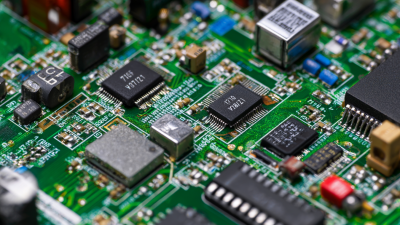
In the realm of PC board manufacturing, identifying key components is essential for optimizing assembly. A thorough understanding of component types, such as resistors, capacitors, and ICs, can significantly affect throughput. Each component must be meticulously chosen based on its specifications. For example, using surface-mounted devices (SMDs) can save space and enhance performance. However, integrating SMDs can challenge assembly accuracy.
Moreover, sourcing high-quality components impacts reliability and longevity. Subpar components lead to increased failure rates. This is often overlooked. While cost is crucial, investing in reliable parts can prevent long-term issues. Analyzing the supply chain to ensure component availability is also important. Delays in sourcing can hinder production schedules and lead to costly downtimes.
Automation plays a pivotal role in improving efficiency. However, not all automation solutions are perfect. Some may lack flexibility, making it difficult to adapt to varying production needs. Understanding these nuances can improve assembly processes. Reflecting on past assembly experiences can uncover areas for improvement, ensuring a streamlined production line.
2026 How to Optimize PC Board Assembly for Efficient Manufacturing? - Identifying Key Components for Efficient PC Board Manufacturing
| Component |
Description |
Impact on Manufacturing Efficiency |
Recommended Practices |
| Solder Paste |
Used for connecting components to the PCB. |
Critical for ensuring strong connections, which reduces rework. |
Ensure proper viscosity and application method. |
| Pick-and-Place Machine |
Automates the placement of components on PCBs. |
Increases speed and accuracy of assembly. |
Regular calibration and maintenance are essential. |
| Stencil |
Used to apply solder paste to the PCB. |
Ensures precise application, which reduces waste and errors. |
Ensure proper alignment and cleaning of stencil. |
| Reflow Oven |
Heats the PCB to melt the solder. |
Ensures proper solder joints, reducing defects. |
Optimize temperature profiles for different materials. |
| Inspection System |
Checks assembly quality post-production. |
Identifies defects early, minimizing rework. |
Implement automated optical inspection. |
Techniques for Streamlining Assembly Line Workflows
Streamlining assembly line workflows is crucial for optimizing PC board assembly. In many facilities, bottlenecks often occur due to manual processes. Automation can help address this, but it’s not a one-size-fits-all solution. When implementing automation, pay attention to how it integrates with existing workflows. Each machine should complement human workers, not replace them entirely.
Another approach is to analyze the layout of your assembly line. A well-organized workspace minimizes unnecessary movement. Position tools and materials within easy reach. This helps workers remain focused and efficient. Evaluate whether your team is working in the most effective order. Sometimes, changes in task sequences can lead to significant improvements.
Monitoring performance constantly is vital. Collect data on cycle times and error rates. Be open to feedback from assembly workers; their insights can reveal hidden inefficiencies. Avoid the trap of sticking to outdated practices. Regularly reviewing and reflecting on your processes allows for continuous improvement, which is key to maintaining efficiency. Each tweak can lead to better outcomes.
Technology and Automation in PC Board Assembly Optimization
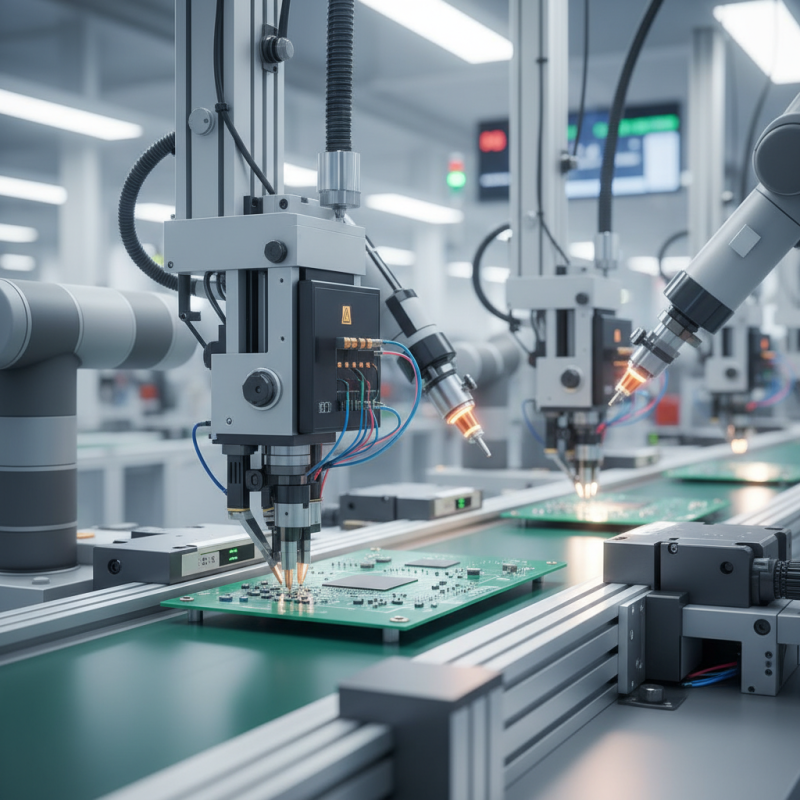
Technology and automation play crucial roles in optimizing PC board assembly. In recent years, many manufacturers have embraced advanced machinery to enhance precision and speed.
Automated systems can reduce human error, but they require careful integration. Understanding how to align automation with the existing workflow is essential.
Having the right technology is not just about purchasing new machines. It involves training staff to operate and maintain automated systems effectively. Often, employees may feel overwhelmed by new tools. Regular training sessions can alleviate anxiety and build confidence. Additionally, evaluating the compatibility of new solutions with legacy systems is vital.
Monitoring and refining the assembly process is necessary for true optimization. Real-time data collection can identify bottlenecks. However, relying solely on technology may overlook human insights. Engaging team members in the optimization dialogue can reveal hidden inefficiencies. Balancing technology with human expertise creates a more resilient manufacturing environment.
Quality Control Measures for Enhanced Manufacturing Efficiency
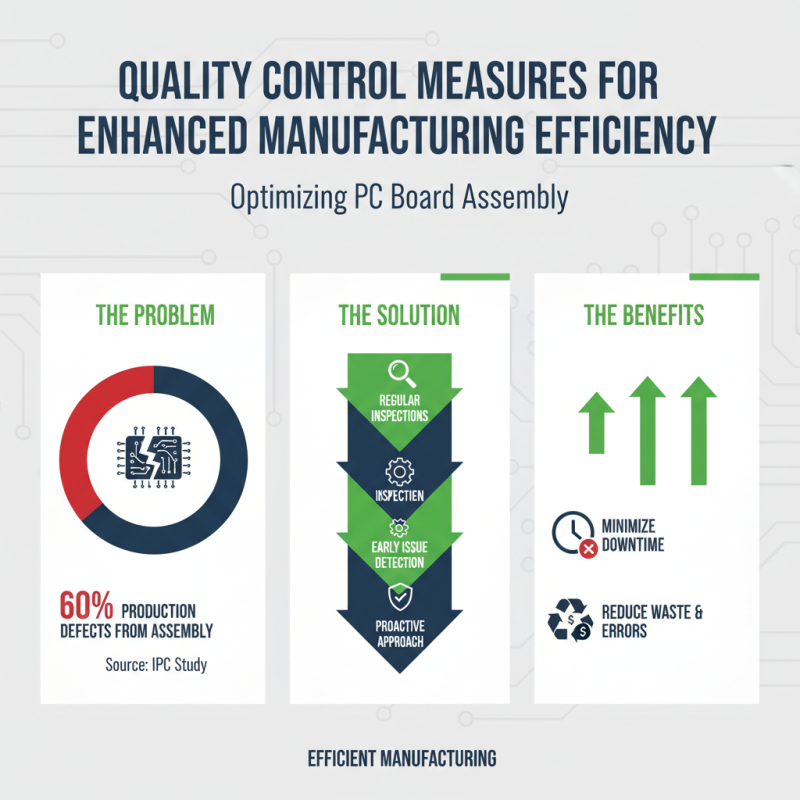
Quality control is crucial in optimizing PC board assembly. A study by IPC revealed that nearly 60% of production defects originate from assembly processes. Implementing rigorous quality control measures can significantly reduce these errors, leading to efficient manufacturing. Regular inspections throughout the assembly process can catch potential issues early. This proactive approach minimizes downtime and waste.
Tip: Use automated inspection systems to enhance quality checks. They provide real-time data on assembly issues, ensuring quick response times. Adopting advanced technologies, like machine learning algorithms, can boost accuracy during the inspection phase.
Despite these advances, challenges persist. Many manufacturers struggle with inconsistent quality due to varying skill levels among workers. Training programs should be regularly updated to address gaps in knowledge. Incorporating standardized work procedures can help maintain higher quality levels. Engaging workers through feedback can also promote a culture of continuous improvement.