What is a High Speed Inspection Machine and How Does it Work?
In the modern manufacturing landscape, efficiency and precision are paramount. A High Speed Inspection Machine plays a critical role in achieving these goals. These machines are designed to quickly inspect products for quality and defects. By utilizing advanced technologies, they enhance production lines significantly.
With high-speed capabilities, these machines can process large volumes of items in a fraction of the time. This rapid assessment helps manufacturers maintain quality control. However, not all inspections are foolproof. Some defects may slip through, prompting a need for constant evaluation of the inspection process.
Furthermore, the technology behind High Speed Inspection Machines can be complex. Understanding how these machines function is essential for optimizing their performance. While they offer considerable benefits, reliance on automation raises questions. Are manufacturers sacrificing human oversight for speed? These nuances make the discussion surrounding High Speed Inspection Machines both interesting and necessary.
What is a High-Speed Inspection Machine?
A high-speed inspection machine is a crucial tool in manufacturing and packaging industries. These machines are designed to evaluate products rapidly. They check for defects, measure dimensions, and ensure compliance with quality standards. According to industry reports, over 80% of manufacturers use some form of inspection technology to maintain quality.
The technology behind these machines combines advanced optics and artificial intelligence. They capture images at high speeds, processing data instantly. Some systems can inspect up to 600 items per minute. While this efficiency is impressive, it also raises questions about accuracy. Rapid inspections can sometimes lead to missed defects, necessitating human oversight.
Moreover, integrating these machines into existing workflows poses challenges. Training staff to operate and interpret results can be time-consuming. There are also concerns regarding maintenance costs and technology updates. Many companies underestimate these aspects, which can result in operational inefficiencies. Continuous evaluation and adjustments are essential for maximizing the benefits of high-speed inspection systems.
Key Components of High-Speed Inspection Machines
High-speed inspection machines play a vital role in manufacturing. Their main purpose is to ensure product quality at high speeds. The key components of these machines include cameras, lighting systems, and software algorithms. Each component is critical for effective inspections.
Cameras capture detailed images of products. They often use high-resolution sensors that can detect minute defects. For instance, studies show that some machines can inspect up to 10,000 items per hour. This capability helps reduce the risk of defective products reaching consumers.
Lighting systems enhance image quality. They provide the right illumination to highlight flaws that might be missed in normal light. Selecting the appropriate lighting is essential; poor choices can lead to missed defects.
Tips: Regular maintenance of these components is essential. Keeping lenses clean can greatly improve image quality. Also, periodically updating software ensures that the algorithms remain effective and efficient in spotting defects.
In practice, challenges arise. Equipment may require frequent calibration. A misalignment can result in false positives or negatives in inspections. It's crucial to address these issues promptly to maintain inspection integrity.
How High-Speed Inspection Machines Operate
High-speed inspection machines are vital in various industries. They quickly verify product quality and identify defects. These machines use advanced technology, including cameras and sensors, to scan items at high speeds. This capability reduces manual inspection needs. Accuracy is crucial in these systems. Minor flaws might be missed, resulting in bigger problems later.
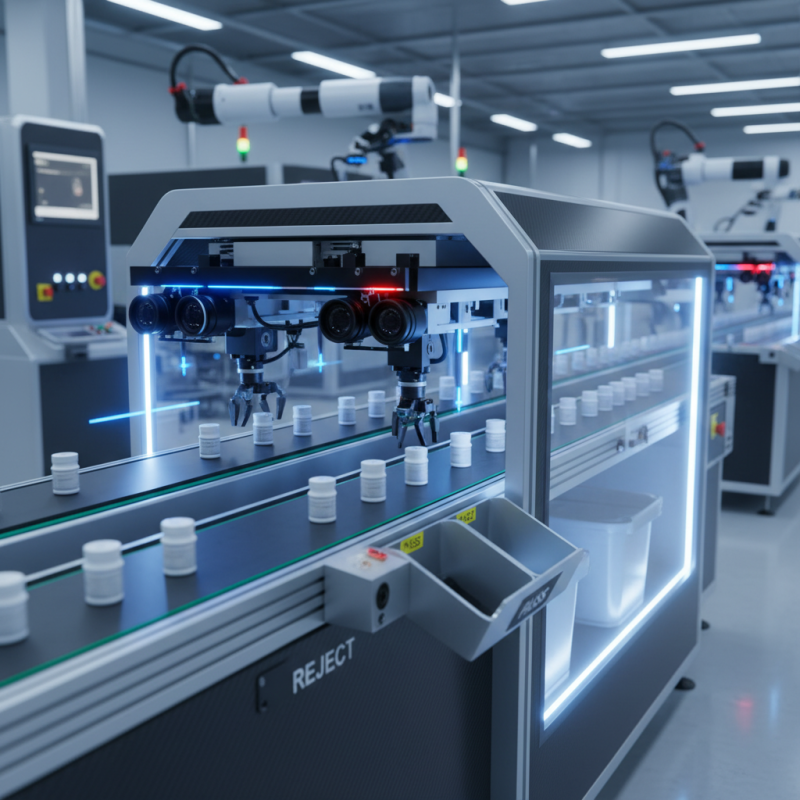
The operation of a high-speed inspection machine begins with product entry. Items are moved along a conveyor belt. As products pass through, cameras capture numerous images. These images are processed instantly. Software analyzes for defects, ensuring compliance with quality standards. Feedback is immediate. Workers can adjust production processes swiftly.
Despite their efficiency, challenges exist. False positives can occur, leading to unnecessary rejections. Sometimes, machines may misinterpret good products as faulty. Regular calibration and maintenance are vital. Staff training is equally important to mitigate human errors. Continuous improvements in technology may also help overcome these issues in the future.
Performance of High-Speed Inspection Machines
Applications of High-Speed Inspection Machines in Various Industries
High-speed inspection machines play a critical role in various industries. They ensure quality and efficiency in production. These machines are widely used in food, pharmaceuticals, and electronics. They detect defects rapidly, improving product safety and consistency.
In the food industry, high-speed inspection machines check packaging integrity and product quality. They scan for foreign objects in food items. This process reduces waste and ensures consumer safety. The pharmaceutical sector benefits from these machines by maintaining strict quality control. They verify the accuracy of labels and packaging. Errors can result in serious consequences.
Electronics manufacturers rely on high-speed inspection machines to identify defects in components. These machines are fast and accurate. Yet, they require constant calibration and monitoring. Human oversight remains essential to interpret results and address concerns. Striking a balance between automation and human intervention is a challenge worth considering.
Advantages of Using High-Speed Inspection Machines for Quality Control
High-speed inspection machines are transforming quality control in various industries. These machines utilize advanced imaging technology to detect defects rapidly. Industry reports show that the use of such machines can increase inspection speed by up to 90%. This efficiency ensures that manufacturers can maintain high production rates without sacrificing quality.
Implementing high-speed inspection systems also offers significant cost savings. A study indicated that a 1% increase in defect detection can save companies millions. However, despite these advantages, a reliance on automation can introduce some inconsistencies. Operators must be trained to interpret the data effectively. Without proper oversight, some defects could slip through unnoticed.
Flexibility is another concern. High-speed machines can struggle with variations in product design. Adapting them to different products may require time and resources. Nonetheless, the benefits often outweigh these challenges. Improved accuracy and reduced waste lead to better overall quality. This balances out the higher initial investment many companies face.
