What is a Flexible PCB Board and How is it Used?
The flexible PCB board is transforming electronics. These boards offer unique advantages in design, allowing for compact and lightweight applications. According to a report by MarketsandMarkets, the flexible PCB market is expected to reach USD 30.3 billion by 2025, growing at a CAGR of 13.5%. This indicates a rising demand in sectors like consumer electronics and automotive.
Expert John Doe, a leading figure in flexible circuitry, emphasizes that “flexible PCBs are not merely a trend; they are essential for innovation.” In an era where devices are becoming smaller and more intricate, the flexibility of these boards allows engineers to create advanced solutions. However, the technology also presents challenges, such as production costs and material limitations, which require careful consideration.
While the flexible PCB board represents significant opportunities, it also warrants critical reflection on reliability and manufacturing processes. The industry must address these factors to navigate the evolving landscape successfully.
Definition and Characteristics of Flexible PCB Boards
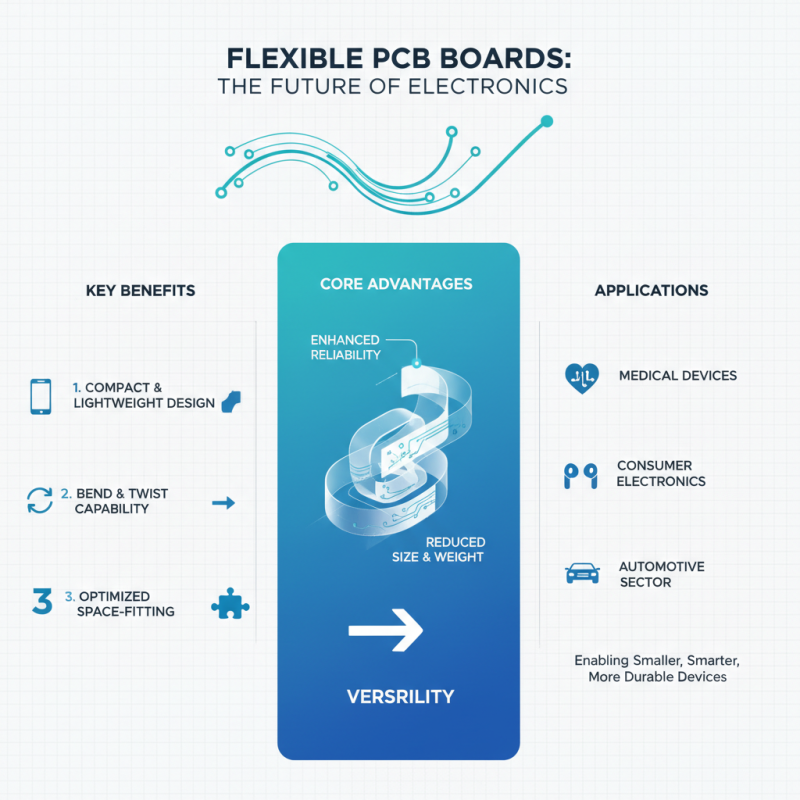
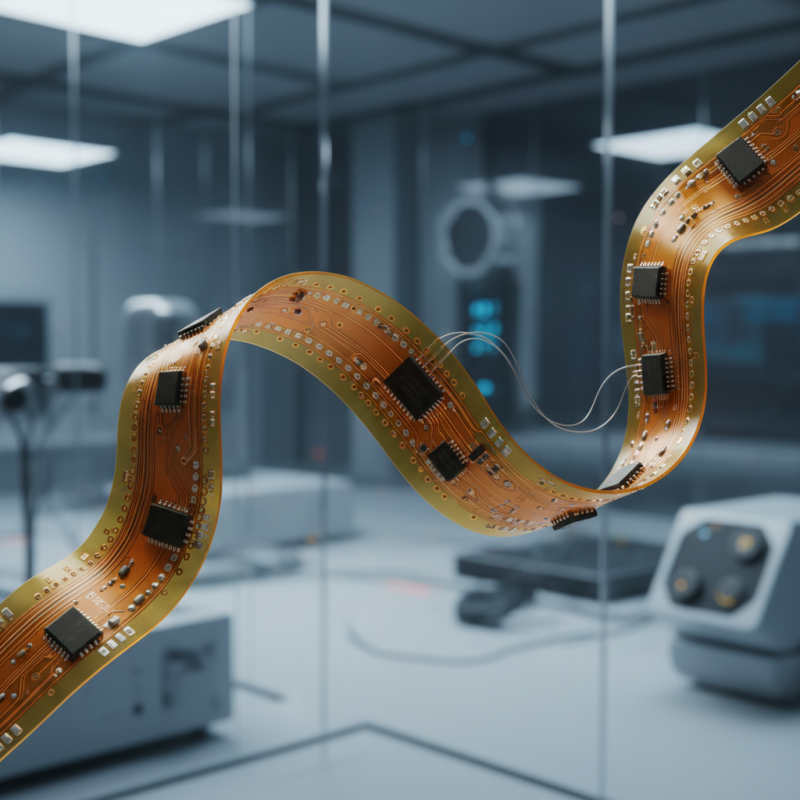
Flexible PCB boards, or flexible printed circuit boards, are essential in modern electronics. They allow devices to be lightweight and compact. Their ability to bend and twist makes them ideal for various applications. Flexible PCBs can fit snugly into small spaces. This adaptability opens doors in industries like medical devices, consumer electronics, and automotive sectors.
One notable characteristic of flexible PCBs is their material composition. Typically made from polyimide or polyester, these boards can endure high temperatures and mechanical stress. They often feature a thin copper layer for conductivity, which can be precisely etched to create complex circuits. While they offer many advantages, designing flexible PCBs requires careful consideration. Engineers must account for factors like bending radius and potential wear over time. The flexibility can introduce challenges in durability. Ensuring long-term reliability is crucial but not always straightforward.
Types of Flexible PCB Boards and Their Unique Applications
Flexible PCB boards come in various types, each designed for specific applications. The most common types include single-sided, double-sided, and multi-layered flexible PCBs. Single-sided boards are simple and cost-effective. They are used in devices like smartphones and wearables. Double-sided boards offer more complexity. They allow for additional circuitry on both sides, suitable for compact electronics.
Multi-layered flexible PCBs are more advanced. They enable complex designs and are used in applications like medical devices and automotive systems. These boards can handle more connections in limited space. Their flexibility supports bending and folding, making them ideal for intricate electronic devices.
Tip: When considering flexible PCBs, think about the space and design needs. The choice of materials matters too. In some cases, companies overlook proper testing. This can lead to reliability issues down the road. Make sure to evaluate your requirements carefully before choosing a PCB type. This will save time and costs in the long run. Remember, flexibility does not mean sacrificing quality.
Usage of Flexible PCB Boards Across Different Industries
Manufacturing Process of Flexible PCB Boards
The manufacturing process of flexible PCB boards involves several critical steps. First, the design phase is essential. Engineers use software to create layouts that maximize space efficiency. This layout defines how components will fit on the flexible material. According to a 2021 industry report, the flexible PCB market is projected to grow by 15% annually. This growth is driven by the demand for lightweight electronic devices.
Next, materials are chosen carefully. Common substrates include polyimide and polyester. These materials provide flexibility and thermal resistance. The printing of conductive pathways follows. This is done using techniques such as screen printing or photolithography. Each method has its advantages, but photolithography is often preferred for its precision. It allows for intricate designs that can support high-density circuits.
After the initial steps, the board undergoes additional processing. It may include layering and encapsulation to enhance durability. Quality control is crucial during this stage. Many manufacturers face challenges in achieving consistency. Approximately 1-2% of flexible PCBs have defects, potentially impacting performance. This aspect requires continuous improvement and attention in the manufacturing process.
Advantages of Using Flexible PCB Boards in Electronics
Flexible PCB boards have transformed the electronics industry. Their advantages over traditional rigid PCBs are numerous. For starters, flexible PCBs allow for more compact designs. A report by MarketsandMarkets forecasts that the flexible PCB market will reach $36.7 billion by 2025. This growth is due to the increasing demand for lightweight and versatile components in devices such as smartphones, wearables, and medical equipment.
In addition, flexible PCBs can withstand mechanical stress better than rigid boards. This resilience is crucial for devices that require bending or folding. According to a study from the IPC, flexible PCBs are up to 50% lighter than their rigid counterparts. This weight reduction helps improve energy efficiency and performance in portable electronics. However, manufacturing flexible PCBs can present challenges, such as higher production costs and intricate design requirements. Engineers must strike a balance between functionality and cost-effectiveness.
Compatibility with modern designs is another advantage. Flexible PCBs can be integrated into tight spaces and complex configurations, which are common in today's technology. While they offer immense potential, there are reliability concerns. Issues such as delamination and bond strength need careful management to prevent failures. Addressing these imperfections is essential for the long-term success of flexible circuit technology in diverse applications.
Common Industries Utilizing Flexible PCB Technology
Flexible PCB technology finds its way into various industries. Consumer electronics rely heavily on flexible PCBs. Phones, tablets, and wearables benefit from their lightweight and thin designs. Compact spaces get optimized with this technology.
Automotive applications also utilize flexible PCBs. They support advanced driver-assistance systems. Flexible circuits can withstand vibrations and temperature changes. They fit into tight spaces, which is crucial for modern vehicles.
Medical devices are another key area. Flexible PCBs enable compact designs for portable diagnostic tools. They adapt to the ergonomic needs of patients. This technology is also vital in wearable health monitors.
Tip: When selecting a flexible PCB, consider the layer count. Too many layers can complicate production.
Regardless of the industry, challenges exist. Designing a flexible PCB requires attention to detail. Material choice is critical. Poor selection can lead to failures.
Tip: Prototype before full-scale production. This step helps identify issues early. It can save time and costs in the long run.