What is an Ev Coolant Heater and How Does It Work?
Electric vehicles (EVs) are transforming the automotive landscape. One essential component is the Ev Coolant Heater. This device optimizes battery performance and enhances passenger comfort in cold weather. According to a report by the International Energy Agency, EVs are projected to represent 30% of global sales by 2030. As the market grows, so does the importance of effective thermal management systems.
Engineer Mark Thompson, an expert in EV technology, emphasizes, "The efficiency of an EV coolant heater can significantly influence vehicle range." This highlights the heater's critical role in extending battery life and vehicle performance. The innovative design also allows quicker cabin heating, a factor often overlooked by consumers. Many EV owners may not realize how much a coolant heater can improve their driving experience in winter months.
Despite advancements, challenges remain. Some heaters may underperform, leading to suboptimal energy use. Consumers need awareness of these disparities. A more informed public can drive higher standards in the industry. The importance of an effective EV coolant heater cannot be overstated. It centralizes both comfort and efficiency in EV technology.
What is an EV Coolant Heater?
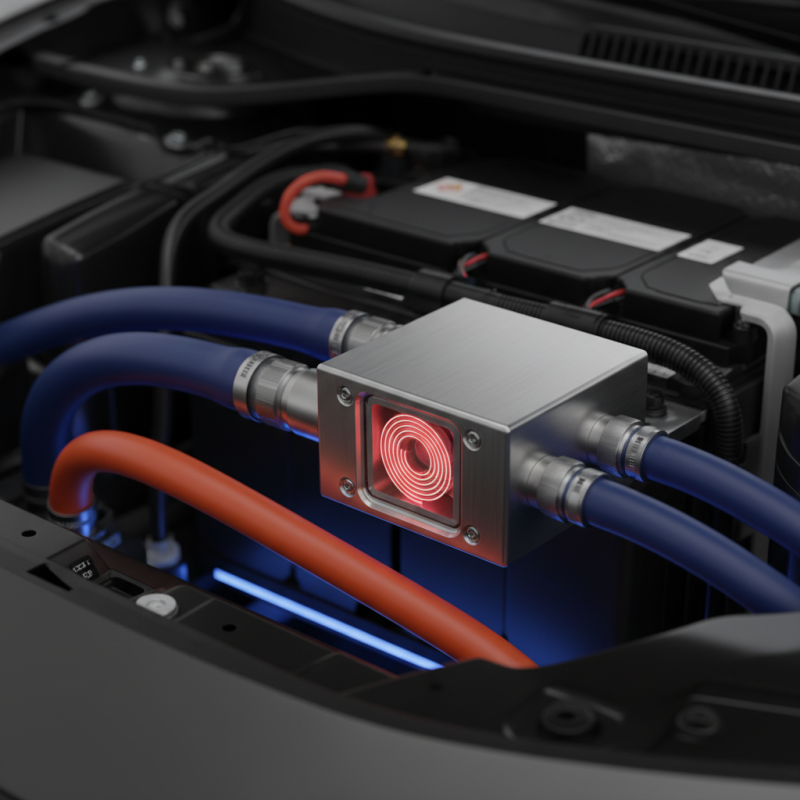
An EV coolant heater is an essential component in electric vehicles. It helps regulate the temperature of the battery and other systems. By maintaining optimal temperatures, it enhances performance and longevity. These heaters rely on electric resistance to warm coolant. This process ensures that the vehicle operates efficiently, even in cold weather.
When the temperature drops, battery performance can plummet. A coolant heater warms up the liquid that surrounds the battery. This prevents the battery from freezing and enables faster charging. The system activates automatically or can be controlled by the driver. Monitoring these settings is crucial for consistent performance.
**Tip:** Make sure to check the coolant levels regularly. Low levels can reduce the efficiency of the heater.
In colder climates, this heater can save energy. It decreases the need for cabin heating, allowing for better range. However, it may not always function perfectly. Sometimes, the heater may struggle, leading to inconsistent warmth.
**Tip:** Always pay attention to your vehicle's dashboard alerts. They can indicate issues with the coolant heater. Regular maintenance can help avoid unexpected breakdowns.
What is an EV Coolant Heater and How Does It Work?
| Dimension | Description |
| Definition | An EV coolant heater is a device that warms the coolant in an electric vehicle's battery and powertrain systems to optimize performance in cold conditions. |
| Purpose | To maintain an optimal operating temperature for electric vehicle components, improving efficiency and range during winter months. |
| Operation Method | The heater uses electrical resistance to heat the coolant, which circulates through the battery and motor, dissipating heat and preventing freezing. |
| Benefits | Enhances battery life, increases range, and ensures faster performance of the electric vehicle in cold weather. |
| Installation Location | Typically installed in proximity to the vehicle's battery pack and power electronics to effectively warm the coolant. |
| Compatibility | Can be designed for various electric vehicle architectures and may be integrated with other heating systems. |
| Energy Source | Generally powered by the vehicle’s main battery, although it may also be designed to use an auxiliary power source. |
The Purpose and Importance of EV Coolant Heaters
Electric vehicles (EVs) rely on efficient heating systems to maintain optimal battery performance. An EV coolant heater plays a crucial role in this process. It heats the coolant fluid, ensuring that electric motors and batteries operate effectively in cold conditions. This is essential for maximizing range and performance.
In colder climates, an EV coolant heater becomes even more important. If the battery is cold, its efficiency plummets, impacting driving range. Thus, keeping the battery warm is vital. An effective heater can precondition the battery. This vibrant warmth helps in achieving quicker charging times, which can be a game changer for many drivers.
Tips: Consider scheduling charging sessions during off-peak hours. It can save money while ensuring your battery stays warm. Monitor your local weather to optimize your driving habits. Do not overlook the importance of routine maintenance on your cooling system. Regular check-ups can prevent costly repairs down the line.
The Impact of EV Coolant Heaters on Battery Efficiency
The following bar chart illustrates the correlation between the use of EV coolant heaters and the efficiency of electric vehicle batteries across various temperature ranges. As temperatures decrease, the efficiency gain from using coolant heaters becomes more significant.
How Does an EV Coolant Heater Operate?
An EV coolant heater plays a vital role in electric vehicles. It helps maintain optimal temperatures for the vehicle's battery and other components. By keeping these systems warm, the heater ensures efficiency. Cold weather can affect battery performance negatively. An effective coolant heater mitigates this risk.
The operation of an EV coolant heater is quite simple. When temperatures drop, the heater activates to warm the coolant. This heated coolant circulates through the battery and motor. In doing so, it prevents freezing and promotes better function. The heater may draw power from the grid or the vehicle's battery. This aspect might raise questions about overall energy consumption.
While the coolant heater provides crucial benefits, there are drawbacks to consider. If used excessively, it can drain the battery. This could lead to a decrease in driving range. There's a fine balance between maintaining warmth and conserving energy. Users must be mindful of this. It’s essential to understand when to utilize the heater for optimal vehicle performance.
Key Components of an EV Coolant Heater
An EV coolant heater is crucial for managing the temperature of electric vehicles. It ensures the battery stays warm, especially in cold weather. When the temperature drops, the coolant heater activates to maintain optimal operating conditions.
Key components of an EV coolant heater include the heating element and the coolant pump. The heating element warms up the coolant, which then circulates through the system. A coolant pump pushes the heated fluid toward the battery and other parts of the vehicle. This process keeps the battery efficient, optimizing vehicle performance.
Another important part is the thermostat. It regulates the temperature of the coolant to prevent overheating. An improper thermostat can lead to energy waste or inefficient heating. This aspect of design is often overlooked but is essential for reliability. Regular checks can prevent unexpected failures and ensure that everything runs smoothly.
Benefits of Using an EV Coolant Heater in Electric Vehicles
An EV coolant heater serves a critical role in electric vehicles. By warming the coolant before it reaches the battery and motor, it helps maintain optimal operating conditions. This process not only enhances performance, but also extends battery life. In colder climates, this heater becomes essential for starting and sustaining energy efficiency.
Utilizing an EV coolant heater can significantly improve the driving experience. It reduces energy losses associated with cold temperatures. When the coolant is warm, the vehicle can operate at peak efficiency. This can also help reduce charging time, allowing drivers to hit the road sooner. However, some drivers may overlook the heater, missing out on these benefits.
Integrating a coolant heater isn’t without challenges. Installation can be tricky and costly. Additionally, some users may find that they forget to activate the heater. These details can undermine the advantages if not managed properly. It’s vital to weigh these aspects carefully to fully appreciate the potential of an EV coolant heater.
