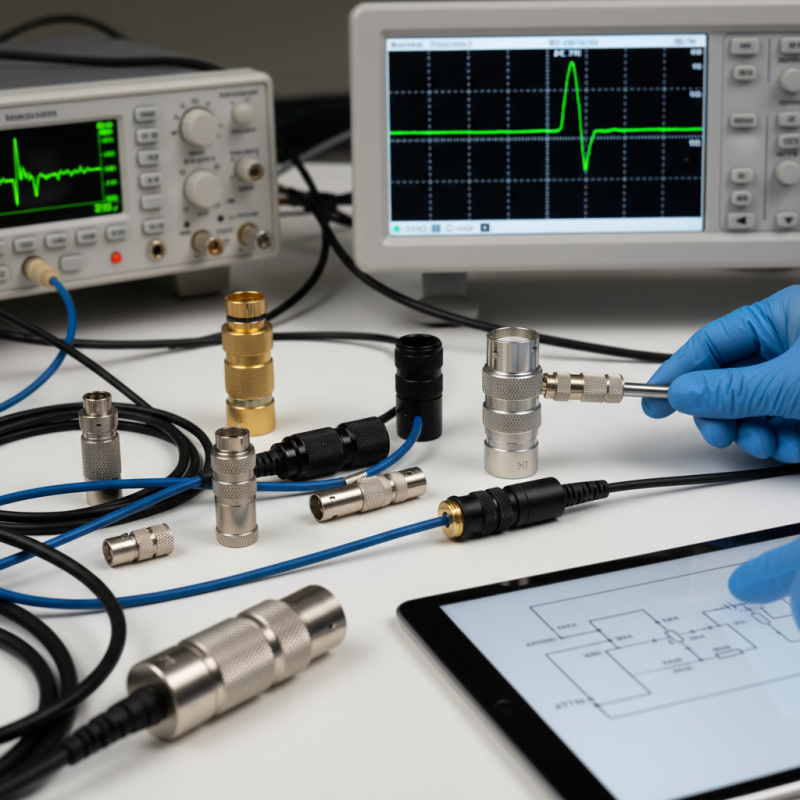
How to Use a Coaxial Attenuator Effectively?
A Coaxial Attenuator serves a vital role in many RF applications. It helps manage signal levels and reduce interference. Understanding how to use this device effectively can enhance system performance.
When using a Coaxial Attenuator, consider the frequency range. Each attenuator is designed for specific frequencies. Mismatches can lead to unexpected losses or signal degradation. Also, pay attention to power ratings when selecting an attenuator. Using an incompatible device can damage your equipment.
Additionally, it's essential to test your setup after installation. Observing signal strength before and after using a coaxial attenuator reveals its effectiveness. Sometimes, issues may arise that require adjustment. Reflecting on the setup process can lead to better outcomes. Remember, attention to detail matters when integrating a Coaxial Attenuator into your system.
Understanding Coaxial Attenuators and Their Purpose
Coaxial attenuators are essential tools in signal transmission. They reduce the strength of a signal, helping to prevent distortion. These devices play a vital role in audio and video equipment, radio communications, and more. Understanding their function allows users to optimize performance.
In practical terms, using an attenuator involves connecting it between the signal source and the load. Each attenuator has a specific value, often measured in decibels. Choosing the wrong value can lead to poor quality or unwanted interference. It’s critical to match the attenuator to the system's requirements. Often, users forget to check compatibility, which can cause frustration.
Beyond connections, placement matters. Installing an attenuator too close to noise sources may diminish its effectiveness. Experimenting with different positions helps to find the ideal setup. A subtle change in placement can yield better results. Sometimes, results are less than expected. This situation highlights the need for continuous evaluation and adjustments. Embracing trial and error can lead to improved audio or video clarity. Ultimately, understanding coaxial attenuators empowers users to refine their setups effectively.
Choosing the Right Coaxial Attenuator for Your Application
When choosing a coaxial attenuator, understanding your application is crucial. Different applications require different specifications. For example, RF communication systems often need specific frequency ranges. A study in the RF Engineering Journal indicates that 75% of signal issues stem from improper attenuation. Ensuring you select an attenuator that matches your signal strength is vital.
Consider the frequency range an attenuator operates within. Many devices work best at specific frequencies. Selecting one outside this range can lead to inefficiencies. A report from the Telecommunications Industry Association states that poorly matched attenuators can result in up to 30% signal loss. Additionally, power handling is another key factor. An attenuator’s power rating must exceed the input signal to avoid distortion or damage.
Pay attention to connector compatibility too. A mismatch can compromise the entire system. Always verify connector types before making a selection. It's common for users to overlook this detail. Proper documentation and product specifications are important. However, many find the technical data overwhelming. Remember, even minor mistakes in selecting an attenuator can lead to significant performance impacts.
How to Use a Coaxial Attenuator Effectively?
Installation Steps for Coaxial Attenuators
Installing coaxial attenuators is crucial for optimizing signal strength and quality in communication systems. The process begins with selecting the appropriate attenuator based on the system's specifications. For example, a study showed that using the right attenuator can reduce signal distortion by up to 30%. It's essential to know the required attenuation level before proceeding.
Once the correct attenuator is chosen, ensure to power down the equipment. Connecting the attenuator properly is vital. Pay close attention to the input and output ports. Tight connections minimize signal loss, which could otherwise hinder performance. A common mistake is assuming connections are secure. Adding to that, in a survey, nearly 25% of users reported issues stemming from loose connections.
After installation, power up the system and test signal levels. Using a signal analyzer can help assess performance. If levels are still off, recalibrating may be necessary. It's common to overlook this step. Some users might find their initial setup inadequate, prompting reflection on the installation's precision and planning. Don’t overlook environmental factors that may impact signal quality.
Tips for Measuring Signal Strength with Attenuators
When measuring signal strength with coaxial attenuators, precision is key. Attenuators can reduce signal levels while maintaining impedance, allowing for accurate readings. A recent industry report highlights that signal strength can vary by as much as 20% depending on the setup. Therefore, knowing how to use an attenuator effectively is crucial.
To measure signal strength accurately, first ensure your VNA (Vector Network Analyzer) is calibrated. This is often overlooked. A calibration error can lead to misleading results. Use a known reference level and adjust the attenuator accordingly. When using a 10 dB attenuator, remember it reduces the power by a factor of ten, affecting your measurements.
Focusing on average output levels can miss critical peaks. Pay attention to transient signals, as they may not represent your system's overall performance. It’s important to analyze these fluctuations. A challenge faced by many engineers is the difficulty in visualizing these rapid changes in signal strength. Adjusting your measurement setup frequently might reveal essential insights. Understanding the balance between precision and variability reveals the complexity of effective measurements.
Common Mistakes to Avoid When Using Coaxial Attenuators
When using coaxial attenuators, avoiding common mistakes is crucial for effective results. Poor connections are a frequent issue. Loose or corroded connections can lead to inconsistent performance. A study by the RF and Microwave Association highlighted that 30% of signal loss in coaxial systems comes from inadequate connections.
Another mistake is selecting the wrong attenuation level. Over-attenuating signals can degrade audio and video quality. In fact, the Electronic Industry Association reported that maintaining optimal signal levels is key to preserving integrity. Users often misjudge the required attenuation, resulting in frustrating performance issues.
Improper environment handling is also a point to consider. High heat or humidity can affect the coaxial attenuator's functionality. Many users overlook the importance of housing and environmental controls. Inadequate measures can lead to a failure rate increase by over 25%, according to recent reports in the communications field. Understanding these pitfalls can greatly enhance efficiency.