
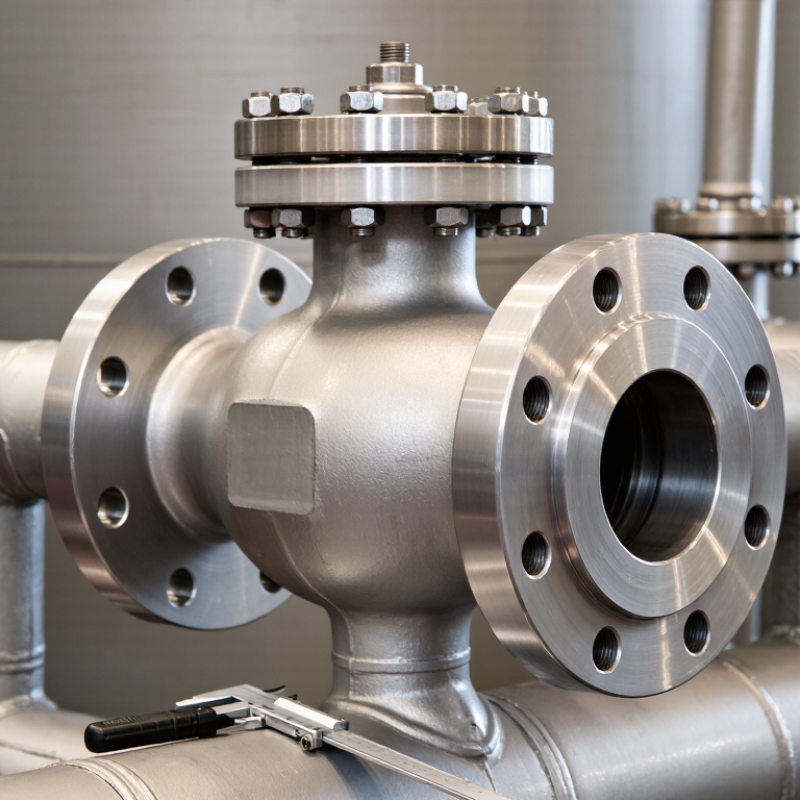
How to Choose the Right Welded Ball Valve?
A welded ball valve must match the system’s pressure and temperature, not just its nominal size. ASME B16.34 Classes 150 through 2500 define pressure-temperature ratings for specific material groups. The rating decreases as operating temperature rises. Class 150 may suit moderate service, while Class 2500 supports demanding pressure conditions. However, the class number alone is not enough.
Check the valve body material, seat material, trim, and end connection together. A metal body may tolerate high heat, but its soft seat could fail earlier. Low-temperature service also requires suitable impact toughness. For welded ends, review the welding procedure, wall thickness, and inspection requirements. A mismatch here can create an expensive weak point.
Tips: Read the correct ASME B16.34 rating table for the selected material. Confirm maximum and minimum temperatures. Leave a practical safety margin. Ask for heat-treatment and test records when service is critical. Do not rely on room-temperature pressure figures.
In real selection work, process data is sometimes incomplete. That is a problem worth admitting early. Verify pressure spikes, cycling frequency, fluid composition, and shutdown conditions. A valve rated for continuous operation may not handle repeated thermal shocks well. For Class 600, 900, 1500, or 2500 applications, engineering review should confirm body stress, seat performance, and weld integrity before purchase. Even a careful selection can miss transient conditions. Recheck them.