How to Choose the Best Well Screen Manufacturer for Your Needs?
Choosing the right well screen manufacturer is crucial for ensuring efficient water filtration and sustainable resource management. The global well screen market is projected to grow significantly, driven by the increasing demand for groundwater resources. According to a recent market report, the industry is expected to reach $1.2 billion by 2028, with a compound annual growth rate of over 5%. Such statistics highlight the importance of selecting a reliable manufacturer.
Understanding the specifications and materials of well screens is essential for optimal performance. A qualified well screen manufacturer should guarantee durability and resistance to common issues like clogging and corrosion. Technical innovations play a key role in enhancing product longevity and performance. Reports show that high-quality well screens can decrease maintenance costs by as much as 30%. However, not all manufacturers meet these standards.
Researching manufacturers involves more than just looking at price. Factors like reputation, customer service, and adherence to industry regulations should also be considered. Not every company upholds the same level of quality. Therefore, it is vital to verify their credentials and seek expert advice. Balancing quality and cost may seem challenging, but it is necessary for effective long-term well management.
Understanding Different Types of Well Screens and Their Applications
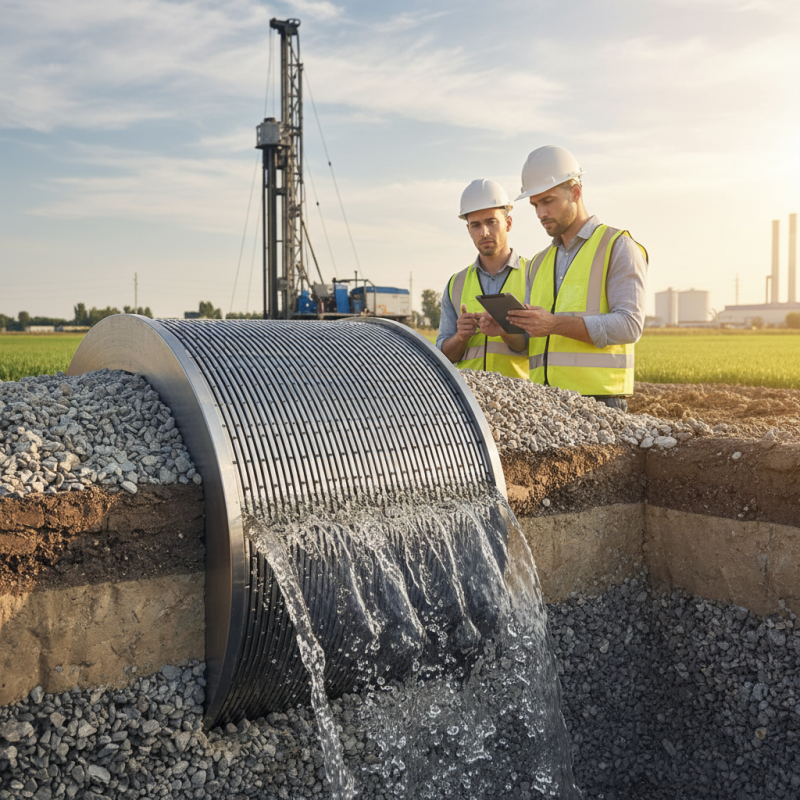
When selecting a well screen, understanding the different types is crucial. There are several common types: wire-wrapped, slotted, and pre-packed screens. Each type serves specific groundwater needs. Wire-wrapped screens offer excellent support and are ideal for high-flow applications. Slotted screens are suitable for low to moderate-flow environments, allowing flexibility in grain size. Pre-packed screens ensure a steady water flow in unstable soils.
Tips: Evaluate your groundwater's characteristics. What type of sediment is present? Is the water flow strong or weak? This evaluation helps in choosing the right screen type. Always consider local geological factors, as they impact screen performance. Choosing the correct material is also essential. Stainless steel provides durability, while PVC offers cost-effectiveness.
Remember that no screen is perfect. Each type has pros and cons. Wire-wrapped screens can be expensive, while slotted screens may clog over time. Analyze your specific situation carefully. Sometimes, consulting with an expert can provide insights not immediately clear. It's essential to balance costs and performance for the best long-term results.
Key Factors to Consider When Selecting a Well Screen Manufacturer
Choosing the right well screen manufacturer involves careful consideration of several key factors. A reputable manufacturer should provide customized solutions that meet your specific needs. According to recent industry reports, over 45% of well failures stem from improper screen design. This signals the importance of working with a knowledgeable partner.
Evaluate the manufacturer's experience and expertise. Check for certifications and industry compliance. A company with a robust track record and extensive technical know-how can offer valuable insights. The best manufacturers often invest in R&D to improve product performance. As per studies, well screens designed with modern technology last up to 30% longer than traditional options.
Customer service is another critical aspect. Engaging with a responsive team can enhance your project experience. If communication is poor or delayed, it may lead to misunderstandings. Consider user feedback and testimonials, as these reveal the reliability of the manufacturer. Balancing cost and quality is essential; don't compromise on materials even if it represents a higher initial outlay.
Key Factors to Consider When Selecting a Well Screen Manufacturer
Evaluating the Manufacturer's Reputation and Experience in the Industry
When selecting a well screen manufacturer, reputation and experience are crucial factors. Research shows that 70% of buyers prioritize a manufacturer’s history in the industry. A company with over 20 years of experience often possesses deeper knowledge. This experience translates to better product design and improved performance.
A manufacturer's reputation can be evaluated through customer reviews and industry reports. For instance, a recent survey indicated that 85% of satisfied clients recommend manufacturers with consistent quality and service. Engaging with industry experts can also provide insight. Sometimes, even established manufacturers may not meet all customer needs. An effective choice requires careful consideration of these factors.
Choose a manufacturer that showcases transparency in operations. Detailed records of past projects can highlight their capabilities. Overreliance on marketing hype can lead to poor decisions. Seek evidence of their work, such as case studies or testimonials, to validate their claims. Also, question potential shortcomings in their past performance. This critical evaluation can uncover areas of concern that may affect your project’s success.
Assessing Material Quality and Customization Options for Well Screens
When choosing a well screen manufacturer, material quality and customization options are crucial. Materials must withstand harsh conditions. Stainless steel is common, but other alloys may be better in specific environments. Evaluate how the chosen materials resist corrosion. Poor material choice can lead to premature failure.
Customization options also play a significant role. The best manufacturers offer tailored solutions. This includes sizes, shapes, and slot configurations. A custom design can enhance performance and longevity. Think about your specific needs before making a decision.
Tip: Always request samples to assess quality. This small step can save time and money.
Tip: Engage with manufacturers about their design processes. Understanding their expertise helps gauge reliability.
Choosing wisely ensures your investment pays off. Don't overlook these details. They significantly impact the screen's performance and lifespan.
Analyzing Customer Support and After-Sales Services Offered by Manufacturers
When selecting a well screen manufacturer, customer support and after-sales services are vital aspects to consider. A company’s ability to respond promptly to inquiries sets the tone for your future dealings. Responsive customer support can make a significant difference, especially during critical phases of installation or troubleshooting. Having direct access to technical support can ensure that issues are resolved quickly, minimizing downtime.
It’s also essential to evaluate after-sales services. Some manufacturers may offer warranties, while others may not. A solid warranty indicates the manufacturer's confidence in their product. Consider how easy it is to access replacement parts or services down the line. A reliable manufacturer should have a clear, straightforward procedure for handling returns or repairs.
When researching companies, reviews from past customers can provide insight into their reliability. Look for feedback on how manufacturers handle customer concerns and complaints. Sometimes, you may encounter inconsistencies or unaddressed issues in the feedback. It can be a red flag if a company frequently has unresolved complaints. Take time to gather comprehensive information before making your decision.
