How to Choose the Right Solar Branch Connector at Guangzhou Fair 2026?
As the Guangzhou Fair 2026 approaches, selecting the right Solar Branch Connector becomes crucial for vendors and buyers. This event, taking place from April 15 to May 5, showcases various innovations in solar technology. The addition of AI-powered search tools will greatly benefit attendees seeking specific certifications, such as ISO and CE, simplifying the search for quality suppliers.
In a vast exhibition area of 1.55 million square meters, effective navigation is key. With limited time to find the ideal Solar Branch Connector, understanding product specifications is necessary. Details like current ratings and compatibility with different solar panels cannot be overlooked. This decision impacts efficiency and the success of solar installations.
However, many buyers might struggle with the variety of choices available. The challenge lies not just in finding a connector but in ensuring reliability and performance. Reflection on personal experiences with previous connectors can guide better decisions. A critical eye on product reviews and expert opinions will further refine choices at this year's fair.
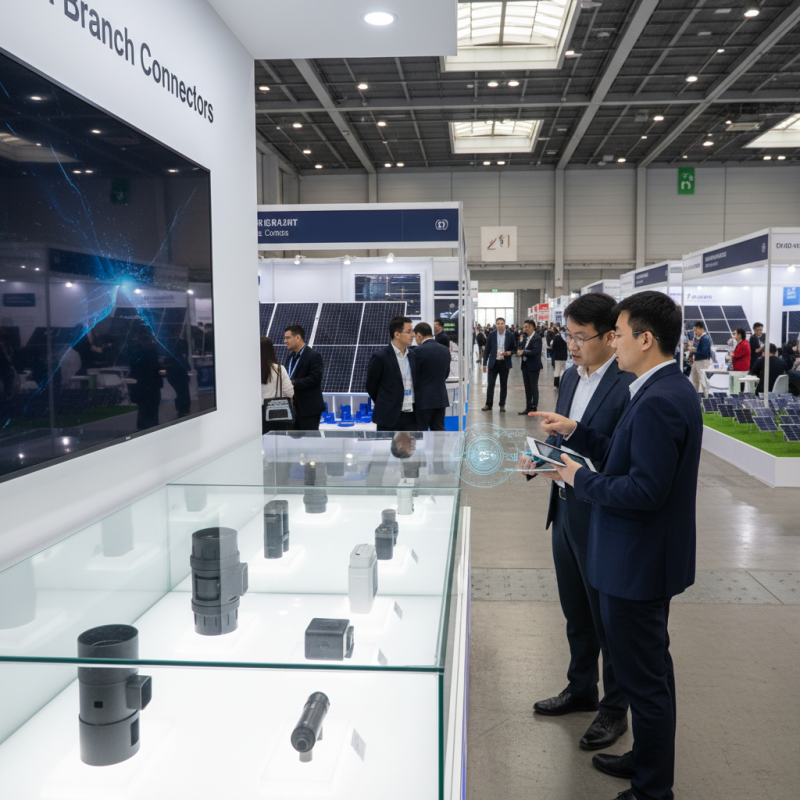
Understanding the Importance of Solar Branch Connectors in Solar Systems
Solar branch connectors play a crucial role in solar energy systems. These connectors allow for easy connection between multiple solar panels, increasing efficiency. Choosing the right type can significantly impact the overall performance.
At the Guangzhou Fair 2026, you’ll find a variety of options. Look for connectors made from durable materials. They should withstand harsh environmental conditions. Compatibility with various panel models is essential. There should be an assurance of secure connections. A poor connection can lead to energy loss or even system failure.
It can be overwhelming to select the best connector. Many options look similar but perform differently. Research is key before making a decision. You may need to ask questions and seek advice from experts at the fair. Gathering opinions can help clarify your needs. However, relying solely on advice without personal evaluation may lead to mistakes. Each solar installation is unique, and what works for one may not work for another. Flexibility in your approach can lead to better choices.
How to Choose the Right Solar Branch Connector at Guangzhou Fair 2026?
| Connector Type | Voltage Rating (V) | Current Rating (A) | Wire Size (AWG) | Material | Environmental Rating |
| MC4 | 1000 | 30 | 12-10 | Copper | IP67 |
| T4 | 1500 | 40 | 10-8 | Aluminum | IP68 |
| XT60 | 60 | 60 | 10-6 | Copper | IP65 |
| Anderson | 600 | 120 | 10-4 | Copper | IP67 |
Key Factors to Consider When Choosing Solar Branch Connectors
Choosing the right solar branch connector is crucial for any solar project. It's not just about compatibility; efficiency and safety matter too. According to a recent industry report, improper connector selection can lead to a 15% decrease in system efficiency. This makes decision-making imperative at events like the Guangzhou Fair.
When selecting connectors, consider materials. High-quality materials can enhance durability. For instance, connectors made from advanced thermoplastics resist UV exposure better than standard options. Look for connectors with a well-designed locking mechanism. This feature prevents accidental disconnections, which can lead to energy loss.
Tip: Don't overlook climate conditions. High temperatures can cause expansion and contraction in connectors. Select connectors rated for your specific temperature range.
Evaluate current ratings, too. Not all connectors handle high currents equally. A study revealed that systems using under-rated connectors increased failure rates by 20%. Testing can help verify performance claims.
Tip: Trust but verify. Always seek third-party testing data. This can prevent costly project delays. Small mistakes in choosing connectors can have long-term consequences. Pay attention to each detail.
Identifying Quality Standards and Certifications for Solar Connectors
When selecting solar branch connectors at the Guangzhou Fair 2026, quality standards and certifications play a crucial role. Connectors must ensure reliability and efficiency in solar installations. Identifying the right certifications can be challenging. Many options exist on the market, and not all meet the same standards.
Look for connectors with relevant certifications such as IEC, UL, or TUV. These ensure that the connectors undergo rigorous testing for safety and performance. It’s vital to check the details. Some connectors might claim certification but lack sufficient documentation. Assessing the credibility of certifying bodies is also important.
Think about how the connector will perform in real-world conditions. Weather resistance and electrical conductivity are non-negotiable. However, many connectors fall short in extreme conditions. Gather feedback from previous users. Their experiences can provide insight into long-term durability. Ultimately, a thoughtful approach can help you make informed choices.
Comparative Analysis of Popular Solar Branch Connector Brands
Choosing the right solar branch connector at the Guangzhou Fair in 2026 requires careful consideration of various brands. A comparative analysis is essential to understand key differences. Recent industry reports indicate that connector efficiency can vary significantly. Some brands claim efficiencies above 98%, while others hover around 95%. Small differences in efficiency can impact overall energy output.
Material quality also plays a crucial role. Connectors made from high-grade materials resist corrosion and degradation. In a study by the Solar Energy Research Institute, about 30% of failures in solar systems are linked to poor connector quality. Inspecting the materials used can help prevent future issues.
Compatibility with different solar panel setups is vital. Various systems may require specific connector types. Data shows that misalignment can lead to energy losses of up to 10%. It's important to verify that the branch connectors meet your needs. Evaluating these aspects ensures the right choice at the fair, enhancing system reliability and performance.
Comparative Analysis of Solar Branch Connector Performance
Navigating the Guangzhou Fair: Tips for Finding the Right Connectors
Navigating the Guangzhou Fair can be daunting, especially when seeking the right solar branch connectors. The vast array of exhibitors and products may overwhelm even the most seasoned attendees. Keep an eye out for connectors that meet your specific needs. Consider factors like compatibility with solar panels and durability.
Tips: Start by defining your requirements. What type of system are you building? This will help narrow your search. Connect with vendors to ask questions. A few moments of inquiry can save hours of frustration later. Look for connectors that are easy to install. Complicated setups can lead to problems down the line.
Don't shy away from taking notes. Write down details about the connectors you find interesting. This will prevent confusion when comparing options later. Be open to learning during your visit. You might discover new technologies or products that weren't on your radar. This exploration can enhance your project significantly.
