How to Choose the Right Die Casting Molds for Your Project?
Choosing the right Die Casting Molds can be a challenging task. The right molds can significantly impact the quality and functionality of your final product. Die casting molds are essential for creating precise and intricate shapes in metal components.
When selecting die casting molds, consider the materials you will use. Some molds work better with aluminum, while others suit zinc or magnesium. It's also vital to assess the complexity of your design. Complex designs may require more advanced molds to achieve detailed features. Don’t underestimate the importance of mold maintenance and cost-effectiveness too. Reflect on whether to invest in custom molds or standard ones that may fit your needs.
Mistakes can happen when choosing die casting molds. You may end up with a mold that doesn't meet your project's requirements. Take time to review your options and gather feedback from experts. A thorough evaluation can save you time and money in the long run. Make informed decisions, and ensure the molds align with your project's goals.
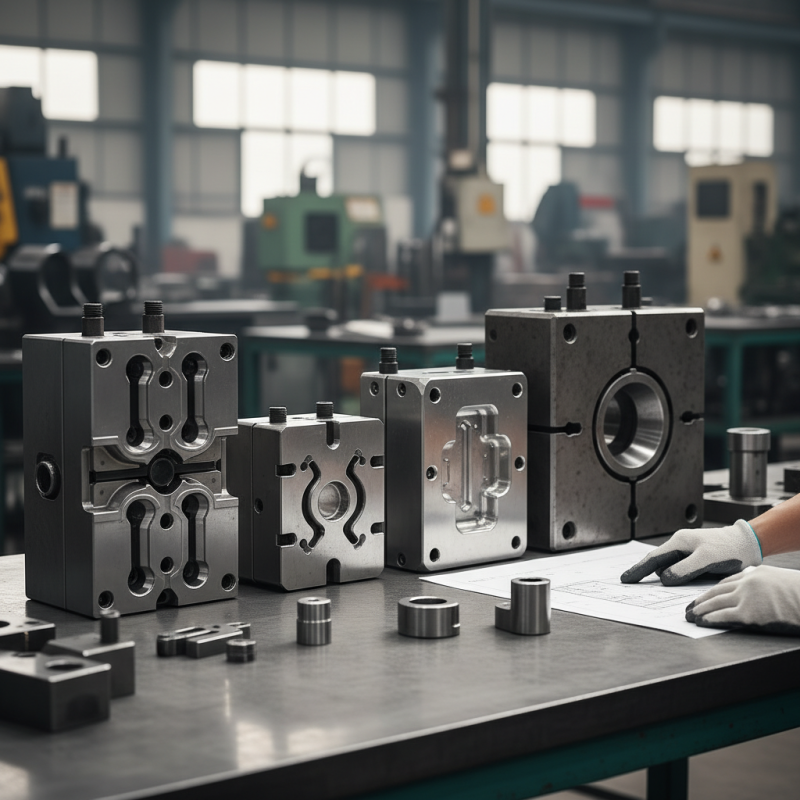
Factors to Consider When Selecting Die Casting Molds
When selecting die casting molds, several key factors demand attention. Material selection plays a crucial role. Aluminum, zinc, and magnesium are commonly used. Each material has distinct advantages. Aluminum is lightweight and has excellent corrosion resistance. Zinc shows better fluidity and lower melting points. The choice impacts both the final product's durability and production costs.
Dimensional accuracy is another critical aspect. According to industry reports, molds can achieve tolerances of ±0.05 mm. However, maintaining such precision depends on the mold design and manufacturing techniques. Complex designs may necessitate increased adjustments, leading to possible delays. Engineers must also consider the mold's lifespan, as it significantly affects production efficiency. A well-made mold can last up to 1 million cycles, but this is not guaranteed.
Cooling systems also play a significant role in the performance of die casting molds. Efficient cooling can reduce cycle times. However, improper design can lead to warping, requiring reevaluation. It's essential to analyze your project's specific needs and foresee potential issues that may arise during production. This proactive strategy can help in making informed choices regarding mold selection.
Types of Die Casting Molds and Their Applications
When selecting die casting molds, understanding the types and their applications is crucial. There are several mold types available, including single cavity and multi-cavity molds. Single cavity molds are ideal for low-volume production, offering cost efficiency. Multi-cavity molds, on the other hand, increase production rates significantly, making them suitable for high-volume projects. According to a recent industry report, approximately 60% of manufacturers prefer multi-cavity molds due to their return on investment.
A common option in the industry is the draft angle. Molds with an adequate draft angle simplify ejection, reducing cycle time. Many engineers suggest a draft angle of at least 3 degrees for smooth part release. Insufficient angles can lead to flaws and increased costs. Always consider the geometry of your final product for best results.
Tips: Evaluate your production volume before choosing. Make sure to review designs to avoid costly modifications. Selecting the wrong mold can lead to production delays and increased expenses. Ultimately, balance your needs with the mold complexity to ensure quality outcomes. Adjusting mold specifications can sometimes yield surprising benefits in production efficiency.
Material Selection for Die Casting Molds
Choosing the right material for die casting molds is crucial. It impacts durability and precision. Common materials include steel, aluminum, and zinc. Steel molds are strong but can be expensive. They resist wear well, making them suitable for high-volume production. Aluminum molds are lighter and cheaper but may wear out faster.
Your choice needs to reflect your project’s needs. Think about the complexity of the parts. Some materials may not handle intricate designs effectively. It’s vital to test and prototype. This can reveal flaws that appear later in production. A common pitfall is assuming that a cheaper material will suffice. Often, it leads to higher costs down the road.
Additionally, consider your casting method. The material should align with the casting technique you plan to use. Some materials work better with injection die casting, while others suit gravity die casting. Make sure to assess the thermal conductivity of the mold material too. Poor heat management can lead to defects. Each element deserves careful consideration.
Design Considerations for Efficient Die Casting Molds
When selecting die casting molds, design considerations play a vital role in the efficiency of the process. A well-designed mold can significantly reduce production costs and improve the quality of the final product. According to industry studies, a poorly designed mold can lead to a 30% increase in defects. Therefore, careful planning is essential.
Material choice is another crucial factor. Aluminum and zinc alloys are popular for their excellent fluidity and strength. However, each material has specific temperature and pressure requirements. Understanding these can help avoid common pitfalls. Molds should also include features like cooling channels to enhance thermal management.
Tips: Always
prototype your mold before mass production. A prototype can reveal flaws early in the process. Regular maintenance of molds will ensure longevity and reduce downtime. Monitor wear patterns to predict replacements.
Additionally, consider the complexity of your design. Simple shapes are easier and cheaper to produce, but intricate designs can attract higher costs. Reflected feedback from previous projects can lead to improvements in design choices. An iterative approach helps refine designs further. A
balance between design complexity and cost is often needed.
Cost Analysis and Budgeting for Die Casting Mold Projects
When budgeting for die casting mold projects, a meticulous analysis is crucial. Industry reports indicate that mold costs can vary significantly, typically ranging from $5,000 to $100,000, depending on complexity. This wide spectrum necessitates careful planning. High-quality molds often yield better, more consistent results. However, the initial investment can be daunting.
Consider the long-term benefits. A well-made mold can last for thousands of cycles, reducing per-part costs. However, inexperienced buyers often overlook maintenance costs. These can add another 10-20% to the overall project budget. Precision in design is vital to avoid costly revisions. Industry insights suggest that 70% of design flaws arise during the initial stages.
Pay attention to material choices as well. The type of metal impacts durability and performance. For instance, aluminum molds may be cheaper upfront but wear out faster than steel. This trade-off can lead to unexpected expenses over time. Ignoring these details may result in budgeting pitfalls that hinder project success. Analyzing all aspects thoroughly can pave the way for a successful die casting project.
Cost Analysis of Die Casting Molds
