How to Choose the Best Roll Lamination Machine for Your Needs?
Choosing the right Roll Lamination Machine can significantly impact your business. According to industry expert John Smith, "Selecting the best laminate solution can enhance both quality and efficiency." This statement resonates deeply within the laminating industry.
The right machine fits your unique needs. With various options, understanding specifications becomes essential. Factors include material types, thickness, and production speed. Each feature contributes to the final product’s quality. A well-chosen Roll Lamination Machine can save time and reduce waste. But, selecting poorly may lead to operational issues or dissatisfaction.
Investing in technology requires careful thought. Mistakes can happen, especially with overwhelming choices. Not every machine excels in every situation. Continuous improvement and learning are crucial for making the best decision. Finding the perfect fit may take time, but it pays off in the long run.
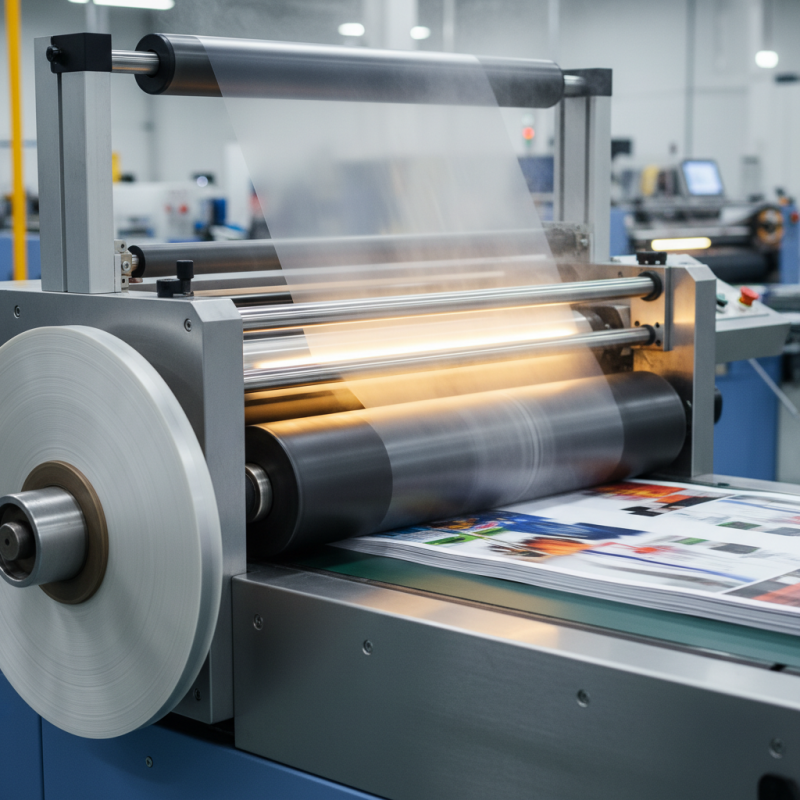
Understanding the Basics of Roll Lamination Machines and Their Types
When exploring roll lamination machines, it’s crucial to understand their types. There are several designs available. Each serves specific needs in lamination processes. Some machines are ideal for smaller projects. Others work well for high-volume tasks.
Consider the technology used in these machines. Some use heat for lamination while others use cold. Heat lamination often produces shinier results. Cold lamination, however, is useful for heat-sensitive materials. Both types have their pros and cons. Reflect on what you plan to laminate.
Tips: Assess your typical project size. This will guide your choice of machine. Also, review the materials you will use. Not all machines handle every type of laminate. Investing in the right technology is key to efficient operation. Reflecting on your workflow is essential for long-term success.
How to Choose the Best Roll Lamination Machine for Your Needs?
| Type | Recommended Usage | Max Width (inches) | Speed (feet/min) | Price Range (USD) |
| Cold Roll Laminator | Photos, Documents, Art Prints | 27 | 15 | $500 - $1,500 |
| Hot Roll Laminator | Durable Documents, Menus, Posters | 38 | 20 | $1,000 - $5,000 |
| Wide Format Laminator | Banners, Large Graphics | 63 | 30 | $3,000 - $10,000 |
| Desktop Laminator | Small Projects, Home Use | 12 | 10 | $100 - $300 |
| Pouch Laminator | ID Cards, Certificates | 9 | 5 | $30 - $150 |
Key Specifications to Consider When Selecting a Roll Lamination Machine
When choosing a roll lamination machine, key specifications matter greatly. First, consider the laminating width. It needs to fit your projects seamlessly. Most machines offer sizes ranging from 12 to 50 inches. A wider machine allows for larger materials but may be bulkier. Think about the space you have available.
Next, evaluate the laminating speed. Look for a machine that meets your production needs. Some can laminate up to 15 feet per minute. However, higher speed doesn't always translate to better quality. Sometimes, slower speeds yield cleaner, sharper results. You should balance speed with the quality requirement of your projects.
Don’t overlook the thickness of the laminating films. Machines typically accommodate different film gauges. A versatile machine is useful for various projects. But again, too much versatility can compromise quality on specific tasks. Keep in mind that not every machine suits every application. Reflect on your unique needs to make a fitting choice.
Evaluating Production Capacity and Speed Requirements for Your Business
When evaluating production capacity and speed requirements, it's essential to understand your business's unique needs. Determine the volume of materials you'll process. Are you working on small batches or large-scale productions? This will influence the type of roll lamination machine that suits your goals.
Consider speed as well. Each machine operates at different rates. Some machines can handle faster lamination while others may slow down for precision. If you're in a rush for deadlines, a higher-speed option may seem appealing. However, be aware of the potential trade-offs in quality. Too much speed can lead to mistakes.
Evaluating current and future needs is necessary for growth. A machine that meets today's demands might not suffice tomorrow. Think about scalability. Will your production increase? Flexibility in a machine can make it easier to adapt to changing requirements. Striking the right balance between speed and capacity is key. Reflecting on these questions can help you make a more informed decision.
Assessing Cost-Effectiveness: Budgeting for Roll Lamination Equipment
When budgeting for roll lamination equipment, consider your usage frequency and project scale. A lower upfront cost might seem attractive, but think about durability and maintenance needs. High-quality machines can save you money over time, despite their higher initial price.
Tips: Analyze your production volume. A higher volume may justify the investment in heavy-duty machines.
Also, don't overlook operational costs. Factors like energy consumption and material compatibility can impact your long-term expenses. A cheaper machine might not handle thicker laminates, leading to more frequent replacements.
Tips: Seek out user reviews on performance. Real-world experiences often highlight issues that specs won't reveal.
Finally, factor in the space and infrastructure required for your machine. This often overlooked detail can influence the overall cost. Ensure the machine fits in your workspace while allowing for safe operation.
Tips: Measure your workspace before purchase. Limited space could mean additional costs for moving or reconfiguring your setup.
Exploring Top Manufacturers and Industry Trends in Lamination Technology
In exploring lamination technology, understanding industry trends is crucial. Advancements in roll lamination machines are broadening possibilities. The demand for high durability and fast production is rising. Innovations in materials and energy efficiency are reshaping what machines can achieve. As manufacturers adapt, features become more sophisticated. This means better quality lamination with less effort.
Tips: When choosing a machine, evaluate your specific needs. Consider the volume of production you handle. A machine too advanced for your scale can lead to wasted resources. Look for features that match your requirements, not what’s trendy.
As you assess options, pay attention to maintenance needs. Some machines require extensive upkeep. This could impact your operational efficiency. Regular maintenance can mitigate issues, but some features may complicate matters. Ask around for feedback on usability before making a decision. Balancing innovation with practicality leads to better investments.
Comparison of Roll Lamination Machine Features
This bar chart illustrates the average specifications of roll lamination machines, focusing on key features such as speed, maximum width, power, weight, and price. This data can help potential buyers evaluate which features are most important for their specific needs.
