How to Choose the Best Glass Door Freezers for Your Business?
Selecting the right Glass Door Freezers is crucial for any business that values display and accessibility. According to industry expert Mark Thompson, "The right freezer can enhance your brand visibility and keep products in peak condition." Choosing the ideal freezer is not as simple as it may seem.
Glass Door Freezers come in various sizes and styles. The right choice should align with your space and product range. Many businesses still underestimate the importance of energy efficiency. An efficient freezer not only saves on costs but also positively impacts the environment.
It's essential to consider features beyond the glass door. The layout, lighting, and shelving can greatly influence customer interaction. Reflect on your needs and the unique aspects of your brand. However, many owners still dismiss the value of consultation before making a choice. Taking the time to reflect on these details can lead to better decision-making.
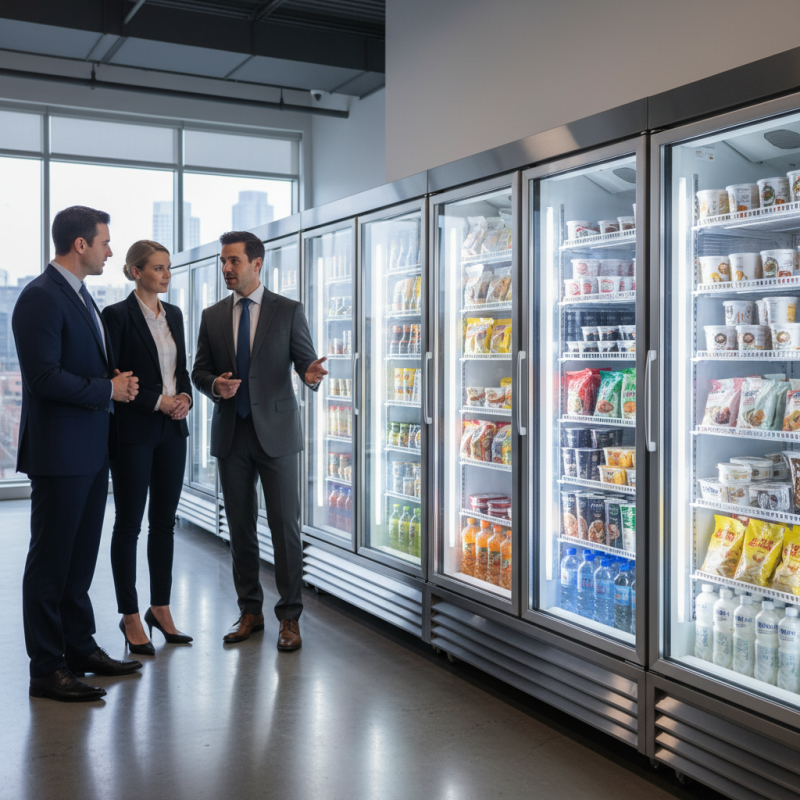
Understanding the Different Types of Glass Door Freezers Available
When selecting glass door freezers, understanding the various types is crucial. There are several designs that cater to specific needs. Vertical freezers are common in retail. They maximize visibility while using space efficiently. Horizontal models, often placed in aisles, offer a different shopping experience. Each type has its operational needs.
A report by the U.S. Department of Energy noted that energy efficiency varies widely among glass door freezers. Energy Star-rated models consume less energy, saving businesses on utility costs. However, many operators overlook these ratings. This oversight can lead to higher bills and wasted resources. Considering the total cost of ownership is essential.
Frost-free options require less maintenance, but they might have limitations. The temperature stability may not match traditional models. This can impact the quality of stored products. It’s worth noting that display and operational efficiency often clash. Balancing visibility, energy savings, and product integrity is a challenge. These factors demand careful consideration when making your choice.
Key Features to Consider When Selecting Glass Door Freezers
Choosing the right glass door freezer for your business involves examining key features carefully. Always look for size and capacity first. You need one that fits your space and meets your storage needs. Measure your area before making a decision. A unit that’s too bulky can make your layout feel cramped.
Consider the energy efficiency of the freezer. High energy costs can eat into your profits. Models with excellent insulation help maintain temperature and save energy. Remember the type of temperature control you require. Digital displays offer precise readings, ensuring your items stay fresh. Additionally, think about accessibility. Sliding doors can save space and are easier to operate in tight spots.
Another essential feature is lighting. Interior LED lights enhance visibility, making products stand out. However, poorly placed lights may create shadows. You might need to adjust them after installation. Ventilation is also critical, sometimes overlooked. Ensure there’s enough airflow to prevent overheating. A unit without proper ventilation could cause issues later. Reflect on these elements to find the best fit for your specific needs.
Evaluating Size and Capacity for Your Business Needs
Choosing the right size and capacity for your glass door freezer is crucial. You need to consider the space you have available in your business. Measure the area where you plan to place the freezer. Leave space for ventilation. This is often overlooked but necessary for proper functioning.
Capacity is another important aspect. Think about what you will store inside. Will it be beverages, ice cream, or frozen meals? Each product has different space requirements. A freezer that is too small may lead to overcrowding. This can damage products and lead to inefficiency. A larger unit sounds great, but it may consume more energy than necessary.
Evaluate your inventory. How quickly do you sell your products? If stock turnover is slow, a smaller unit might suffice. However, if you're consistently running out of items, rethink your choice. Almost every business faces this dilemma at some point. You may also want to reevaluate your options as your business grows. The right freezer can make a significant difference in your daily operations.
How to Choose the Best Glass Door Freezers for Your Business? - Evaluating Size and Capacity for Your Business Needs
| Model | Size (Cu. Ft.) | Number of Doors | Temperature Range (°F) | Energy Efficiency Rating | Approx. Price ($) |
| Model A | 23 | 2 | -10 to 0 | A+ | 1,200 |
| Model B | 36 | 3 | -5 to 5 | A++ | 1,800 |
| Model C | 49 | 4 | 0 to 10 | A | 2,500 |
| Model D | 65 | 5 | -15 to -5 | A+++ | 3,000 |
Assessing Energy Efficiency and Cost-Effectiveness
Choosing the right glass door freezer can significantly impact your business's energy costs. Energy efficiency matters. High-performance models help reduce electricity bills. Look for energy ratings. An efficient freezer may have a higher upfront cost. However, it can save you money in the long run.
When assessing cost-effectiveness, consider the size and layout of your space. A freezer that fits well is crucial. Measure your area carefully before purchasing. Don’t overlook the importance of airflow. Proper air circulation can enhance efficiency.
Tip: Regular maintenance is key. Clean coils and door seals to ensure optimal performance. Small efforts can improve energy efficiency over time. Reflect on your current setups. Are they meeting your needs? Adjustments might be necessary to enhance cost-effectiveness further.
Comparing Brands and Customer Reviews for Informed Choice
When selecting a glass door freezer, reviewing customer feedback is crucial. Many users share their experiences online, offering insights into product performance. Pay close attention to comments about the temperature consistency. Some models struggle to maintain the ideal cooling levels. This can lead to product spoilage and loss.
Another factor to consider is the energy efficiency rating. Customers often note how much their electricity bills increase when using specific units. Some freezers might look appealing but may not be energy-efficient. Moreover, consider storage space. Look for models with adjustable shelving, as this provides flexibility for different types of products. Users sometimes regret purchasing a unit that lacks adequate space.
While comparing customer reviews, be mindful of the context. A few negative comments do not always signify poor quality. Sometimes, problems arise from misuse. It's essential to learn from both positive and negative experiences. Happy customers often share tips for optimal use. This practical advice can significantly impact your decision-making process in the long run.
