How to Choose a Gasoline Parking Heater for Your Vehicle?
Choosing the right Gasoline Parking Heater for your vehicle is crucial. These heaters play an essential role in keeping your car warm during cold weather. They provide comfort and can prevent engine problems due to freezing temperatures. But with many options available, making the best choice can be challenging.
When selecting a Gasoline Parking Heater, consider its size and heating capacity. A proper fit is vital for effective operation, while insufficient power may leave your vehicle cold. Pay attention to fuel efficiency as well. A heater that consumes less gasoline can save money in the long run.
It's worth noting that some models may have complex installation processes. This might lead to difficulties for those unaccustomed to DIY projects. Always think about where you plan to park your vehicle. A heater that isn't suitable for your space could lead to unfulfilling experiences. Take your time to research options and read reviews to find a heater that suits your needs efficiently.
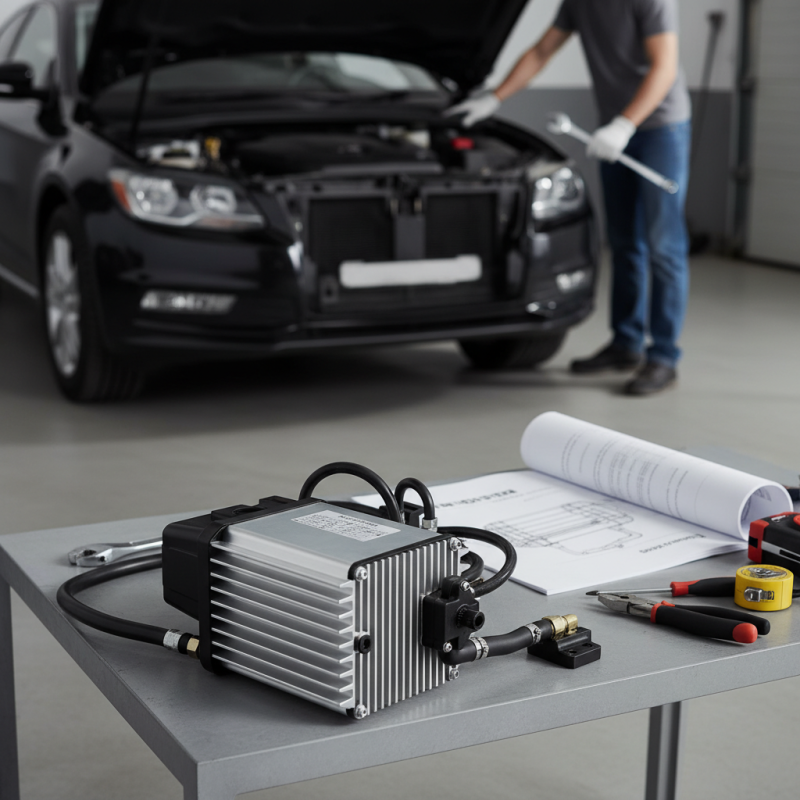
Understanding the Functionality of Gasoline Parking Heaters
Gasoline parking heaters have gained popularity among vehicle owners looking for reliable heating solutions. These heaters work by using fuel from the vehicle's tank to warm the engine and cabin. They ensure optimal temperatures even on the coldest days. This feature can prevent engine damage from frost, making morning starts more reliable.
When selecting a gasoline parking heater, consider the heater's capacity. It should match your vehicle's size. An undersized heater may struggle to provide adequate warmth, while an oversized unit could waste fuel. Pay attention to the heater's installation complexity too. A difficult installation might lead to costly mistakes. Researching various models can help find one that fits your specific needs.
Fuel consumption is another crucial factor. Some heaters are more efficient than others. An efficient model saves money long-term. However, be aware that occasionally, the fuel efficiency may not meet expectations. Some users report discrepancies between advertised and actual performance. Testing different heaters could provide insights into their capabilities. Always be prepared for the possibility of unexpected challenges in heating efficiency.
Key Features to Consider When Selecting a Parking Heater
When selecting a gasoline parking heater, focus on essential features. Consider the heater's heating capacity. It should efficiently warm your vehicle's interior in a timely manner. A unit with adjustable settings offers better control. You can tailor the warmth to your comfort needs.
Installation is another critical factor. Some heaters are easy to install, while others may require professional help. Ensure you understand your vehicle's compatibility with the heater. Think about the power source as well. Some models may drain the battery if not used properly.
Check for safety features, such as automatic shut-off. This can prevent overheating and potential hazards. Look into noise levels too. A loud heater may disturb the peace while you wait. Remember, not all heaters are the same. Take the time to research and gather user reviews. Your experience may reflect broader trends. Consider your specific needs before making a final decision.
Evaluating Compatibility with Your Vehicle's Size and Engine
Choosing a gasoline parking heater involves careful consideration of your vehicle's size and engine type. A heater that fits one model may not work for another. Check the dimensions of your heater. It should fit snugly in your vehicle without obstructing other components. Additionally, the weight of the heater is important. Heavier models might affect your vehicle's balance.
Compatibility with engine size is also crucial. A larger engine can generate more heat, so the heater must align with this capacity. Some heaters may overheat or underperform if mismatched. Take into account your vehicle’s heating system and requirements. Read user reviews for insights but approach them with a critical eye.
Many find that specific models don’t perform as expected. Installation might require extra modifications. This can lead to frustration. Ensure you’re comfortable with the installation process. It might take longer than anticipated. Sometimes, overlooking small details can result in poor performance. Balancing various factors is key to finding the right heater.
Safety Considerations for Gasoline Parking Heaters
When choosing a gasoline parking heater, safety should be a top priority. These heaters can be effective, but they come with risks. First, consider the installation area. Ensure the heater is placed in a well-ventilated space. Lack of airflow can lead to dangerous carbon monoxide buildup. Install carbon monoxide detectors to enhance safety. They can alert you if levels become unsafe.
Regular maintenance is crucial. Check for leaks in the fuel lines or exhaust system. A simple inspection can prevent potential hazards. Always follow the manufacturer's guidelines for usage. Ignoring these can lead to unforeseen issues. Be mindful of how you store gasoline. Keep it away from heat sources and out of reach of children.
Also, think about the temperature settings. If the heater is set too high, it can pose a fire risk. Monitor the heater while it operates. Don’t leave it unattended for long periods. These considerations may seem straightforward, but they can be easily overlooked. Taking the time to ensure safety will lead to a better experience with your parking heater.
How to Choose a Gasoline Parking Heater for Your Vehicle? - Safety Considerations for Gasoline Parking Heaters
| Feature | Importance | Safety Considerations | Recommended Practices |
| Heating Capacity | High | Ensure adequate heating for vehicle size to prevent hypothermia. | Choose a model that suits your vehicle's volume. |
| Fuel Efficiency | Moderate | Avoid excessive fuel consumption that can lead to toxic fumes. | Look for efficient fuel usage ratings. |
| Installation Process | High | Improper installation can lead to leaks and fire hazards. | Consult a professional for installation services. |
| Safety Features | High | Look for automatic shut-off and overheat protection. | Select heaters with reliable safety certifications. |
| Portability | Moderate | Static installations can risk a lack of airflow. | Look for models that are easy to move if necessary. |
Installation and Maintenance Tips for Optimal Performance
Installing a gasoline parking heater can enhance your vehicle's comfort, especially in cold conditions. Proper installation is crucial. Make sure to follow the manufacturer's instructions. The heater should be positioned away from flammable materials. Additionally, ensure that the exhaust is vented outside to prevent carbon monoxide buildup.
Maintenance also plays a vital role in the heater's performance. Regularly check the fuel lines for leaks, as they can lead to inefficiencies or safety hazards. It's advised to replace the fuel filter annually; studies show that clogged filters can reduce performance by up to 30%. Cleaning the heater unit helps maintain efficiency and longevity.
Tips: Inspecting the igniter regularly can prevent starting issues. A clean igniter often leads to better fuel combustion. Also, consider running the heater for short periods during warmer days to keep the system in good condition. If the heater shows uneven heating, it may need recalibration. Address any issues promptly for optimal usage.
