How to Choose the Best Pos System for Your Business?
Choosing the Best Pos System for your business can be challenging. Many options exist, each claiming to meet your needs. The right choice can boost efficiency and improve customer satisfaction. Conversely, a poor selection may lead to frustration and lost sales.
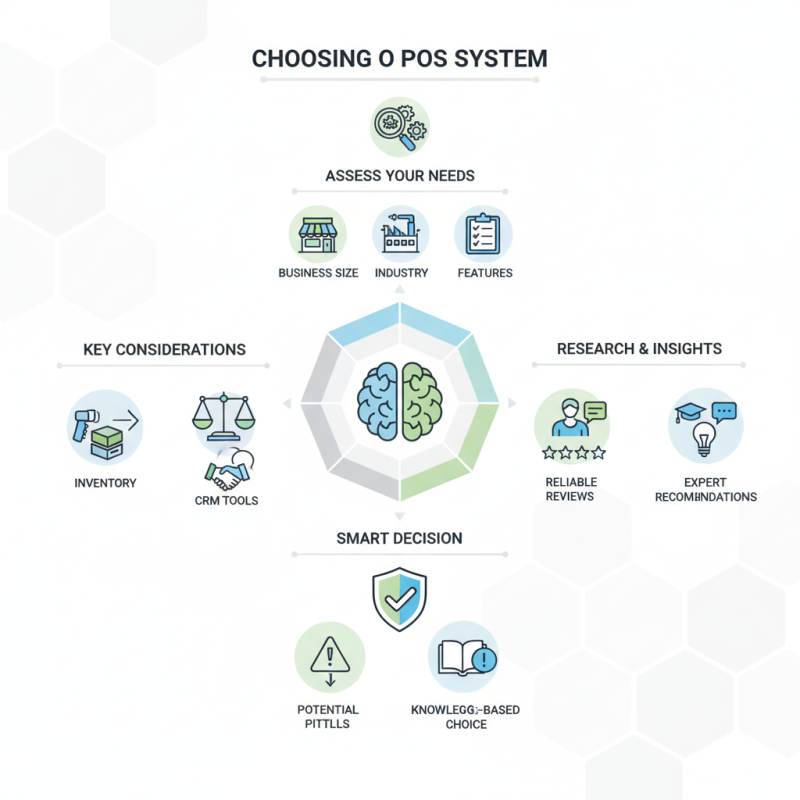
To find the best POS system, you need to assess your unique requirements. Start with your business size, industry, and specific features that matter to you. For instance, some businesses thrive on inventory management, while others prioritize customer relationship tools.
It's crucial to seek reliable reviews and expert recommendations. These sources can provide insights into each system's pros and cons. Remember, the ideal solution might not be the most popular one. As you explore, be aware of potential pitfalls. Make a choice based on knowledge, not just marketing.
Identify Your Business Needs and Goals for a POS System
Choosing the right POS system begins with understanding your business needs and goals. Start by assessing what you require from a system. Are you a retail store or a restaurant? Each has unique needs. Retailers might need inventory management, while restaurants may prioritize order processing.
Consider the volume of transactions. A high-volume business requires a robust system that handles multiple transactions seamlessly. Do you need mobile capabilities? If your sales occur on the go, this feature becomes vital. Remember to think long-term. Your business might expand or shift. A flexible system can adapt to future needs.
Evaluating your employees’ capabilities matters too. Some may struggle with new technology. User-friendly options can reduce training time. Always keep in mind that the cheapest solution might not fulfill all requirements. It's worth investing time to ensure the system aligns with your vision. Reflect on your past experiences with different technologies; what worked, and what didn’t? This insight can guide you towards a more informed decision.
Evaluate Key Features of POS Systems Suitable for Your Industry
When selecting the best POS system for your business, understanding industry-specific features is crucial. Retail stores, for instance, benefit from inventory management tools. These allow quick tracking of stock levels and automatic alerts for low inventory. A solid reporting system is vital too, aiding in sales analysis and trend forecasting.
For restaurants, a user-friendly interface enhances operations. Tableside ordering systems streamline processes and improve customer satisfaction. Additionally, integrated payment options make transactions seamless. Catering to various service styles, such as coffee shops or fine dining, requires adaptability.
Consider the hardware as well. Touchscreen devices might be more intuitive for fast-paced environments. Mobile POS solutions enable sales anywhere within the establishment, enhancing customer experience. Your choice must reflect operational needs, but remember to remain open to adjustments. Seek feedback from your staff about usability and efficiency. This can reveal overlooked areas for improvement.
Compare Pricing Models and Total Cost of Ownership for POS Systems
Choosing the right POS system goes beyond initial costs. It's crucial to understand pricing models and total cost of ownership. Many business owners overlook ongoing fees, such as software updates and maintenance. These can add up quickly and impact your budget.
Pricing models vary significantly. Some providers offer flat monthly fees, while others use a per-transaction basis. Assess your sales volume to determine which model fits best. If your business has seasonal peaks, a flexible plan may be beneficial. However, consider the potential hidden costs, like transaction fees or cancellation charges.
Total cost of ownership is essential in decision-making. Evaluate both upfront and recurring expenses. This includes equipment costs, software licenses, and customer support. Be wary of contracts that appear attractive at first glance but may lead to higher long-term expenses. Always ask for clarification on terms and conditions. This ensures complete understanding of your commitments. Balancing these factors with your business model is key.
How to Choose the Best POS System for Your Business?
| POS System Features | Pricing Model | Monthly Cost | Setup Fees | Total Cost of Ownership (3 Years) |
| Basic Sales Tracking | Monthly Subscription | $50 | $200 | $1,800 |
| Inventory Management | One-time Purchase | $120 | $0 | $1,440 |
| Customer Relationship Management | Monthly Subscription | $75 | $300 | $2,700 |
| E-commerce Integration | Monthly Subscription | $90 | $250 | $2,470 |
| Advanced Analytics | Monthly Subscription | $100 | $400 | $3,600 |
Research Reliable POS System Providers and Their Customer Support
When selecting a reliable POS system, exploring customer support is crucial. A robust support team can significantly lessen your frustration during setup and usage. Ask potential providers how they handle support inquiries. Do they offer 24/7 assistance? Having quick access to help can save valuable time and resources.
Consider reviews and testimonials regarding each provider’s support services. Trusted reviews often highlight real experiences from other businesses. Look for comments about response times and solution effectiveness. This feedback can provide insights into their reliability. Make a checklist of what matters most to you.
Finally, don't ignore the importance of training opportunities. An ideal provider will train your staff on the system's use. This training can lead to smoother operations. Pay attention to testimonials that mention training quality. If a provider seems dismissive about this, it might indicate a lack of commitment to their clients. Choose a provider that prioritizes your success as much as their technology.
Consider Integration Capabilities with Existing Business Tools and Software
When choosing a POS system, integration with existing business tools is crucial. Your POS solution should seamlessly connect with your accounting software, CRM, and inventory management. This ensures a smooth workflow, minimizing data entry errors. A disjointed system complicates operations and can lead to frustration.
Consider the specific tools your business relies on. Does the POS support APIs for customization? Can it work with your current payment processors? These questions matter. Support for popular e-commerce platforms is also valuable. A good integration can save time and enhance accuracy.
Be aware that sometimes, your preferred POS may not integrate perfectly. Some systems might have limited compatibility with newer software. Regular updates can also cause disruptions. Testing the system before full implementation is wise. Continuous evaluation during usage will help identify any shortcomings.