How to Choose the Best Customized Smart Lock for Your Home?
Choosing the right Customized Smart Lock for your home is crucial. With technology evolving, these locks offer enhanced security and convenience. A customized solution can adapt to your specific needs, whether it’s keyless entry, smartphone integration, or unique access codes.
Many homeowners feel overwhelmed by the options available. Features can vary significantly across brands, which may lead to confusion. It's essential to assess your lifestyle and security requirements carefully. For instance, consider how many users will need access and the type of locking mechanism that suits you best. Make sure to prioritize reliability, as your safety depends on it.
Don’t forget that a Customized Smart Lock should be user-friendly. It should ideally integrate well with your existing home systems. Research on user experiences can help you gauge the effectiveness of different models. Reflect on your choices; sometimes, a little inconvenience can lead to better security.
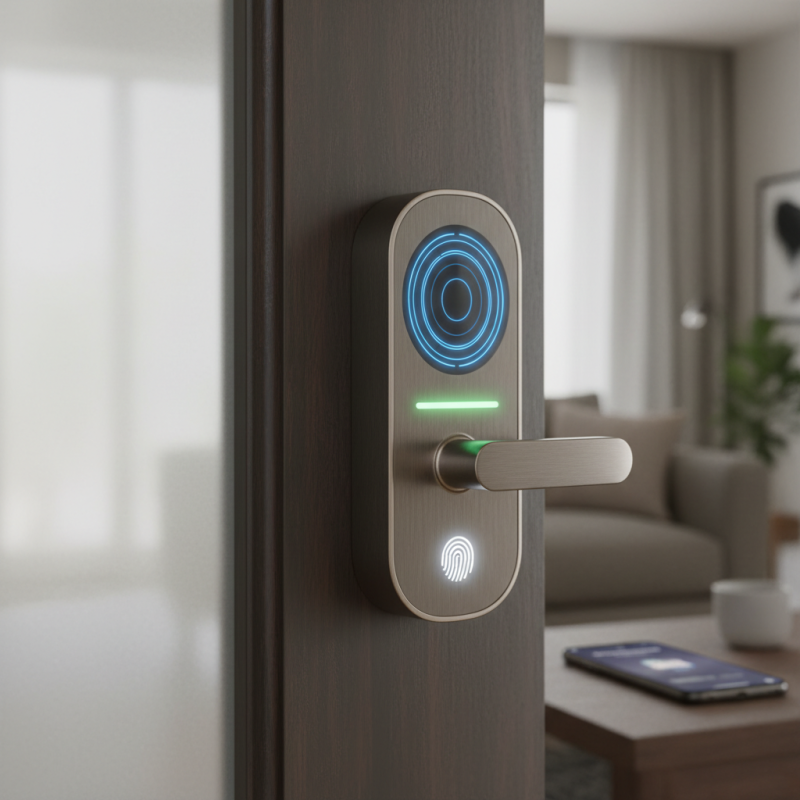
Researching Different Types of Smart Locks for Home Security
When considering smart locks for home security, it's essential to explore different types. Smart locks vary in technology and features. Some use keypads, while others rely on smartphone apps or biometrics. Think about what fits your lifestyle. You might want a simple keypad lock for convenience. However, fingerprint access could feel more secure.
Tips: Research locks with reliable encryption. Look for models with two-factor authentication for added security. Read reviews from multiple sources. User experiences can highlight potential issues.
Consider power sources, too. Many smart locks use batteries, which can die unexpectedly. A model with backup access methods is a smart choice. Think about installation complexity. Some locks are easy to install, while others may require professional help. You might feel overwhelmed by options, but weighing features can lead to better decisions. Always stay updated on technology trends.
Understanding Key Features to Consider in Customized Smart Locks
When selecting a customized smart lock, several key features should be on your radar. One critical aspect is connectivity. Choose a lock that offers easy integration with your smartphone or smart home devices. This allows you to control access remotely. Look for options that support both Bluetooth and Wi-Fi. These connections enhance flexibility and convenience.
Another essential feature is security. The lock should have advanced encryption and two-factor authentication to protect against unauthorized access. Check if it has a backup key option. It might seem outdated, but having a backup can save you in emergencies. Also, consider the durability of the lock. It should withstand various weather conditions and physical tampering.
Customization options are valuable too. Some locks offer various styles and finishes, allowing them to blend with your home decor. However, remember that more features often come with higher complexity. It’s important not to choose a lock with excessive functions you don’t need. Reflect on your actual needs versus added features that might complicate usage. A balance between functionality and simplicity is key.
How to Choose the Best Customized Smart Lock for Your Home? - Understanding Key Features to Consider in Customized Smart Locks
| Feature | Description | Importance |
| Keyless Entry | Allows entry via smartphone app, keypad, or biometric recognition. | High |
| Remote Access | Control your smart lock from anywhere via a mobile app. | High |
| Battery Life | Duration for which the lock can operate on a single battery charge. | Medium |
| Security Features | Encryption, alarms, and tamper alerts to enhance security. | Very High |
| Integration with Smart Home | Compatibility with home automation systems (e.g., Alexa, Google Home). | High |
| Installation Process | Ease of installation; DIY vs professional assistance required. | Medium |
Evaluating Compatibility with Existing Home Security Systems
When selecting a customized smart lock, it's crucial to evaluate how it integrates with your existing home security systems. Many homeowners have various security measures in place, such as alarms and cameras. Ensuring compatibility can enhance overall security rather than creating vulnerabilities.
Compatibility often comes down to the technology being used. Some smart locks connect via Bluetooth, while others employ Wi-Fi or Z-Wave. Researching which technology your existing systems utilize is essential. It may be frustrating if your new lock doesn't communicate well with your alarm or camera system. This disconnection can undermine the intended security benefits.
Additionally, consider app compatibility. Many smart locks operate through mobile applications. It becomes inconvenient if your existing security systems rely on different apps. A seamless user experience is important, especially for quickly managing your security. Lack of integration can hinder efficiency, making it harder to monitor your home. Reflecting on these aspects will help you avoid future headaches and ensure a robust security solution.
Assessing User-Friendly Interfaces and Control Options
When choosing a customized smart lock, the user interface plays a crucial role. A well-designed interface simplifies the locking process. Many users appreciate touchscreens that allow for easy access. Some models offer physical key options for those who prefer traditional methods. Having backup options is essential.
Control options are equally important. Wireless connectivity enables users to manage locks remotely. Smartphone apps allow quick access management but can be complex. Keeping software updated ensures maximum security. Consider user feedback on ease of use. A lock’s reliability hinges on its accessibility.
Customization is key. Think about features like voice control or integration with home automation systems. Some users struggle with tech, so clarity in app design matters. Intuitive interfaces reduce frustration. Opt for locks that offer simple setup and clear instructions. An effective interface should be seamless yet straightforward, enhancing security without complicating daily routines.
Smart Lock Control Options Comparison
Comparing Price Points and Warranty Offers for Smart Locks
When exploring smart locks, price points and warranty terms stand out as critical factors. The price of customized smart locks varies widely. Basic models may start under a hundred dollars, while advanced options can reach several hundred. This range reflects their features. Consider what you need. Cheaper locks may lack essential functionalities. Conversely, pricier models usually offer advanced technology like remote access and biometric features.
Warranties play a significant role in your decision-making. A good warranty signifies quality and reliability in a product. Many smart locks come with at least a one-year warranty. Look for those that extend beyond that. Some brands offer five to ten years of coverage. This shows confidence in their product’s durability. However, not all manufacturers provide clear warranty terms. Read the fine print carefully. Be wary of those that claim extensive coverage but include many exclusions. A clear warranty fosters trust and assures you of support if issues arise.
It’s essential to balance features, price, and warranty. Your choice reflects your needs and budget. Avoid getting lost in high-tech features that may never be utilized. Sometimes, the simplest option may be the most reliable. Reflect on your home's security needs before committing. Not all high-priced locks guarantee reliability. Assess what genuinely matters to you.
