Why Choose an Enclosure Heater for Your Needs?
In the world of industrial equipment, selecting the right heating solution is crucial. According to John Smith, an expert in HVAC solutions, "An Enclosure Heater ensures optimal performance and safety for sensitive electronics." This highlights the importance of maintaining a stable environment.
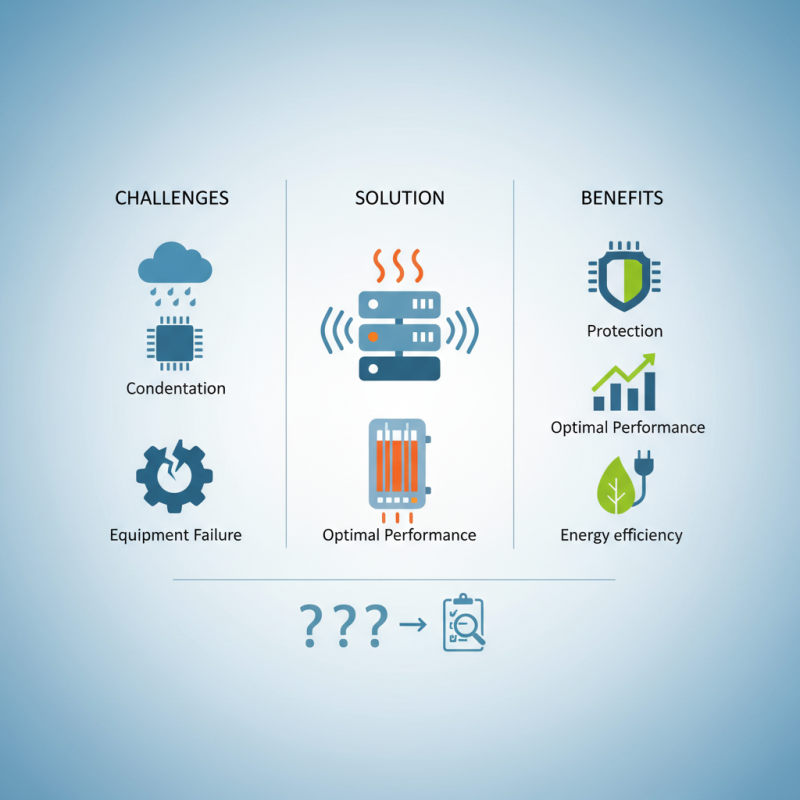
Enclosure heaters are designed to protect valuable equipment from harsh conditions. They can prevent condensation, which is vital for electronics and machinery. Without adequate protection, systems may experience costly failures.
Choosing an Enclosure Heater isn't always straightforward. You may wonder about factors like size, wattage, and energy efficiency. Each choice affects your system's reliability. This is where a careful evaluation of your needs becomes essential. The right heater can make a significant difference in your operations.
Benefits of Using Enclosure Heaters for Industrial Applications
Enclosure heaters are essential in many industrial settings. They maintain a stable environment for sensitive equipment. Extreme temperatures can disrupt operations. Without proper heating, machinery may fail or produce errors. Cold conditions can lead to condensation. This moisture can cause corrosion and damage.
Using enclosure heaters protects valuable assets. They provide consistent warmth, ensuring equipment runs smoothly. This is particularly crucial in manufacturing plants. The efficiency gained from optimal temperatures can significantly enhance productivity. Workers also benefit from a comfortable workspace, leading to better morale.
However, choosing the right heater is not always straightforward. Each application is unique. Understanding the specific needs of your environment is vital. An overpowered heater can waste energy and increase costs. On the other hand, an underperforming unit may not provide sufficient warmth. Consideration of factors like size and insulation is necessary. The decision process can be tricky, and mistakes can happen.
Key Considerations for Selecting the Right Enclosure Heater
When selecting an enclosure heater, several key considerations come into play. First, assess the size of the space. A heater that is too small will struggle to warm the area. Conversely, an overly large unit may lead to unnecessary energy consumption. Carefully measure and calculate the required heating capacity for your enclosure.
Another important factor is the environment in which the heater will operate. If the area contains moisture or dust, ensure the heater is rated for these conditions. Look for features such as waterproof designs or dust-resistant elements. Safety should also be a priority; overheating can pose risks. Therefore, incorporating temperature control systems is wise.
Finally, consider your power supply options. Some heaters operate on standard voltage, while others may require specialized setups. It’s essential to match the heater’s requirements with your available power. Reflect on what suits your specific situation. Choosing the right heater is not just about functionality; it involves careful planning and consideration of unique details.
Why Choose an Enclosure Heater for Your Needs? - Key Considerations for Selecting the Right Enclosure Heater
| Feature | Description | Importance |
| Heating Capacity | Measured in watts, determines how effectively an enclosure can maintain operational temperatures. | Crucial for environments exposed to very cold conditions. |
| Thermostat Control | Allows for automatic regulation of temperature settings. | Enhances energy efficiency and prevents overheating. |
| Size and Compatibility | Dimensions must fit the enclosure space without obstructing any components. | Essential for maintaining equipment integrity and accessibility. |
| Material | The heater's construction material affects its durability and heat conduction. | Important for longevity and performance, especially in harsh environments. |
| Safety Features | Includes overheat protection, which is vital for preventing accidents. | Critical for ensuring safe operation in industrial settings. |
Energy Efficiency and Cost Savings with Enclosure Heating Solutions
When considering heating solutions, energy efficiency is crucial. Enclosure heaters stand out in this aspect. They maintain a stable temperature, protecting sensitive equipment from extreme conditions. This means fewer breakdowns and lower repair costs over time. Companies save money by reducing energy waste.
Additionally, the cost savings are evident. By using enclosed heaters, businesses can prevent heat loss. Insulated environments also require less energy to stay warm. These heaters allow for precise temperature control, ensuring optimal performance. Users often underestimate these benefits until they see the results.
Of course, implementing a new heating system can bring challenges. Installation might require unforeseen adjustments. Regular maintenance is essential for long-term efficiency. Some users may overlook this, leading to potential inefficiencies. Recognizing and addressing these areas will optimize both energy use and costs.
Common Applications of Enclosure Heaters in Various Industries
Enclosure heaters serve critical roles across multiple industries. They protect sensitive equipment from harsh environmental conditions. For instance, in the manufacturing sector, machine downtime can cost companies over $260,000 per hour. This highlights the necessity of maintaining optimal operational temperatures for gear.
In the oil and gas industry, the American Petroleum Institute notes that more than 70% of equipment failures occur due to environmental factors. Enclosure heaters ensure control over temperature fluctuations. They are effective in preventing condensation, which can lead to costly corrosion and equipment failure.
Additionally, the telecommunications sector uses enclosure heaters to maintain the functionality of outdoor equipment. A study showed that thermal regulation can extend the lifespan of electronics by up to 50%. Without proper heating, these devices may fail due to extreme cold. Such failures disrupt service, affecting revenue. This reality emphasizes the importance of reliable heating solutions.
Common Applications of Enclosure Heaters in Various Industries
Understanding Temperature Control Specifications in Enclosure Heaters
Temperature control is vital for the effective operation of enclosure heaters. Various applications require specific temperature ranges to protect sensitive equipment. According to industry reports, nearly 70% of electronic failures occur due to inadequate temperature regulation. Businesses must select heaters based on exact temperature specifications suitable for their environment.
Different heaters offer diverse temperature control options. For example, some units feature adjustable thermostats, while others come with built-in sensors for automatic adjustments. The right choice can reduce energy waste and increase equipment lifespan. However, not all heaters provide accurate temperature readings. This can lead to overheating or underheating, which might damage equipment over time.
Installation site conditions also influence temperature control needs. Factors like ambient temperature and humidity levels play significant roles. Some reports suggest that enclosures in harsher environments might require more robust heating solutions. Consequently, businesses need to assess their surroundings and choose heaters that match these criteria, ensuring reliable operation without overspending on unnecessary features.