What Is the Best Cell Phone Box Making Machine in China?
Choosing the best Cell Phone Box Making Machine in China requires more than comparing prices. The right machine must match box structure, board thickness, production volume, and finishing expectations. A rigid phone box may need precise corner forming, while a folding carton demands accurate creasing, folding, and gluing. Small errors can leave visible gaps around the lid.
Industry data supports this careful approach. Smithers’ The Future of Global Folding Cartons to 2029 identifies continued growth in premium, sustainable, and digitally finished cartons. Grand View Research also reports strong expansion in the global folding carton market, driven partly by electronics and consumer-product packaging. Meanwhile, PMMI studies show that manufacturers increasingly value automation, faster changeovers, and measurable production reliability. Numbers help. They do not replace factory experience.
Jorge Izquierdo, Vice President of Market Development at PMMI, has emphasized a practical principle: “Automation should solve a business problem, not simply add technology.” That advice fits phone-box production. A machine with servo control, automatic feeding, hot-foil stamping, or camera inspection may improve consistency, but only when those features support real orders. Buyers should inspect sample boxes, test different paperboards, and request documented speed data. Ask about waste rates, operator training, spare parts, and local service response.
There is no perfect machine.
A low-cost model may appear attractive. Later, unstable feeding can become expensive. This guide compares Chinese manufacturers through performance, construction quality, customization, energy use, and after-sales support. The goal is not to praise the fastest machine. It is to identify the most dependable fit for a specific phone-box operation.
Types of Cell Phone Box Making Machines in China
What Is the Best Cell Phone Box Making Machine in China?
Types of Cell Phone Box Making Machines in China
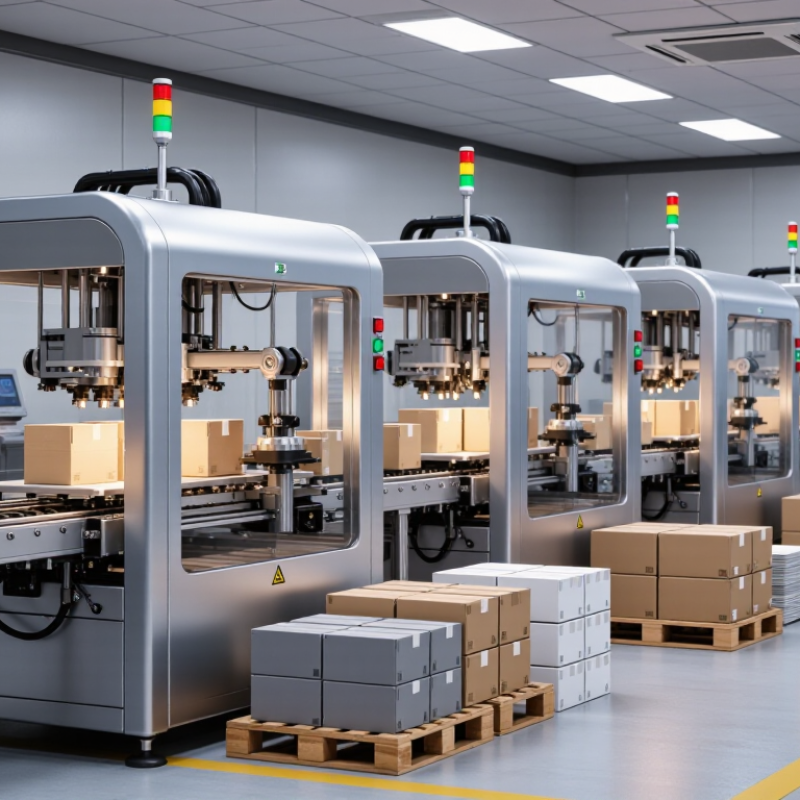
Cell phone box production usually uses several machine types. Rigid box machines create strong, premium-style boxes from greyboard and printed paper. They form the lid and base with accurate folding and pressing. These machines suit boxes with tight corners and a firm opening feel.
Folding carton machines process coated paperboard at higher speeds. They usually combine creasing, die cutting, folding, and gluing. This type works well for lightweight phone packages and large production orders. Automatic forming machines can place inner trays with consistent positioning. Semi-automatic machines require more manual feeding, but they often reduce the initial investment. They can suit smaller factories or changing box designs.
Wrapping machines apply printed paper around rigid boards. Corner-pasting equipment improves edge strength and appearance. A reliable production line should match board thickness, paper grain, glue behavior, and box dimensions. On the factory floor, small errors often appear at the corners first. This detail is easy to overlook. Operators should check pressure settings and drying time during trial production. A high-speed machine is not always the best choice. It may waste material when the design changes frequently. I would compare sample quality, adjustment time, maintenance access, and operator training before selecting equipment. No machine is perfect. The right option depends on volume, structure, finish requirements, and available technical support.
What Is the Best Cell Phone Box Making Machine in China?
The best machine depends on the box structure and required production volume. Automatic rigid-box lines are suitable for premium two-piece phone boxes, while folder-gluer machines provide higher output for folding cartons. The figures show representative midpoints of commonly used operating ranges and are intended for initial equipment comparison.
Key Features to Compare Before Choosing a Machine
Choosing the best cell phone box making machine in China requires more than comparing price tags. A 2024 Grand View Research estimate places the global folding carton market above US$180 billion, increasing pressure for faster, cleaner production. For rigid phone boxes, inspect forming accuracy, board compatibility, and servo-controlled positioning. A practical machine should handle common greyboard thicknesses without frequent manual adjustments.
Speed needs context. Ask for the verified output rate using your actual box size, paper, and adhesive. A quoted 30 boxes per minute may fall sharply during corner wrapping or drying.
Check changeover time, waste percentage, and dimensional tolerance. Keep the sample box nearby. It exposes problems quickly.
Automation should support operators, not confuse them. PMMI industry reports repeatedly identify labor availability and machine usability as major packaging concerns. Look for touchscreen diagnostics, recipe storage, remote troubleshooting, and accessible maintenance points. Energy consumption also matters; request measured kilowatt-hours per 1,000 boxes, not a general promise.
Smithers’ packaging forecasts highlight continued demand for premium, sustainable formats, so evaluate recyclable papers, water-based adhesive compatibility, and material waste. A cheaper machine can still win. That assumption is dangerous.
Ask for factory acceptance tests, spare-part lead times, training hours, and performance records from comparable box structures. Some specifications look impressive but remain unverified. Check twice.
How Cell Phone Box Making Machines Work Step by Step
What Is the Best Cell Phone Box Making Machine in China?
How Cell Phone Box Making Machines Work Step by Step
A cell phone box making machine starts with accurate material feeding. The operator places printed paper, greyboard, and adhesive into separate sections. Sensors check paper position before production begins. Small errors here can create visible corner gaps later.
The machine cuts or creases the board according to the box design. A glue unit then applies a controlled adhesive layer to the wrapping paper. The board moves onto the paper, and folding arms wrap each edge tightly. Corner-folding tools press the paper around the box without damaging its surface. The lid and base may be formed separately, depending on the structure.
Pressure rollers keep the layers flat. A pressing station removes air pockets and strengthens the bond. The finished box then passes through visual inspection and size checking. Workers examine corners, glue marks, alignment, and surface scratches. This step remains important because sensors cannot judge every cosmetic defect. No machine is flawless. In practical production, operators often adjust pressure, temperature, or feeding speed after observing real samples. Excessive speed can reduce quality, while low speed affects output. A reliable machine should offer stable adjustment, clear maintenance access, and consistent results across different paper weights. Test several samples before full production. That habit prevents expensive waste.
Top Factors Affecting Machine Quality, Speed, and Cost
What Is the Best Cell Phone Box Making Machine in China?
The best cell phone box making machine depends on quality, speed, and total operating cost. Practical factory evaluations show that feeding accuracy matters first. Misaligned paper can damage printed surfaces and weaken corners. Servo-driven folding systems usually offer steadier performance than basic mechanical controls. Sensors also reduce empty runs, paper jams, and glue errors. Still, higher automation does not guarantee better results.
Speed must match your material and box structure. A machine rated for 150 boxes per minute may slow down with thick board or complex folds. Check real samples, not only catalog numbers. Production tests should measure setup time, rejection rates, and continuous running hours. Energy use, spare parts, operator training, and maintenance also affect the final cost. A cheaper machine can become expensive when adjustments are frequent. I have seen buyers focus too heavily on output speed. That choice sometimes creates more waste.
Tips: Ask for a live trial using your own paper, printing, and box dimensions. Inspect folded corners, glue lines, and surface marks. Request service response times and a clear parts list. Leave room for human error. Even reliable equipment needs skilled adjustment. Compare five-year operating costs, not only the purchase price. A useful test should include a full production shift, because short demonstrations can hide overheating or unstable feeding.
How to Select the Best Chinese Supplier and Machine Model
What Is the Best Cell Phone Box Making Machine in China?
Selecting the best Chinese supplier starts with the box, not the machine brochure. Define your board thickness, paper finish, box dimensions, daily output, and acceptable folding tolerance. A supplier should review your drawings and produce physical samples before discussing final specifications. Ask for samples made with your actual paper. Glossy laminated stock can behave differently from uncoated board.
Choose a machine model that matches your real production volume. A high-speed line may appear attractive, but frequent setup changes can reduce its practical output. Check feeding accuracy, die-cutting pressure, creasing quality, folding control, and glue stability. For premium phone boxes, even a small corner gap can damage the customer’s impression. Request a live video test with your box structure. Measure waste, changeover time, noise, and finished-box consistency.
Supplier reliability needs evidence. Review factory production records, machine inspection procedures, export experience, spare-parts availability, and operator training. Confirm the warranty in writing, including response time and excluded parts. Technical support in your working hours matters more than impressive promises. A factory visit is useful, although it cannot reveal everything. I would still keep a risk allowance for delayed parts or imperfect installation. The cheapest quotation may become expensive after freight, tooling, commissioning, and maintenance are included. Ask for a complete cost sheet and a reference sample before signing.
