What Are the Benefits of Using Aerogel Blanket?
Aerogel Blanket is a remarkable material that has gained attention for its unique properties. It offers exceptional thermal insulation while remaining lightweight. Many industries are starting to adopt Aerogel Blankets due to their efficiency and versatility. These blankets are not just for cutting-edge technology; they are also useful for everyday applications.
The benefits of using Aerogel Blanket are substantial. They can dramatically reduce energy costs, making buildings more efficient. In addition, these blankets resist moisture, which helps prevent mold and mildew. However, the high cost of Aerogel materials can be a barrier for some users. While many people appreciate their efficiency, others question whether the benefits justify the expense.
Aerogel Blankets also have aesthetic qualities. They come in various designs and can fit seamlessly into different environments. This adaptability is essential for both industrial and domestic uses. However, the lack of widespread knowledge about Aerogel materials can limit their adoption. Many potential users are unaware of their full potential and practical applications.
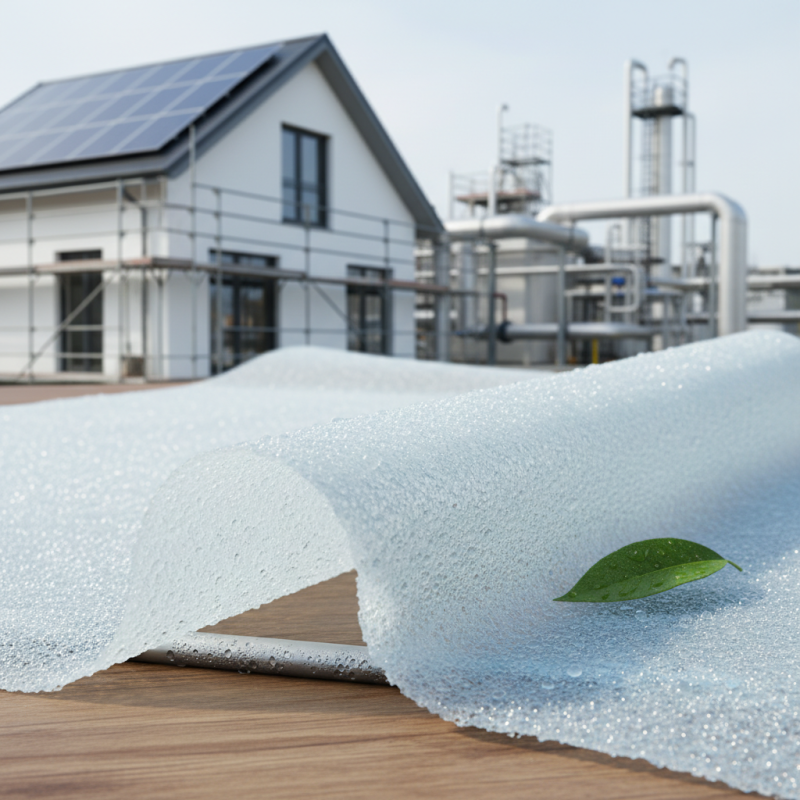
Overview of Aerogel Blanket Properties
Aerogel blankets possess unique properties that make them exceptional in various applications. They are incredibly lightweight, with densities often lower than air. This quality allows for easy handling and versatility in deployment. Their outstanding thermal insulation capability minimizes heat transfer. It makes them suitable for extreme environments, from space missions to cryogenic applications.
In addition to thermal resistance, aerogel blankets are also highly resistant to fire and moisture. This durability is vital in protecting sensitive equipment and materials. The structure of aerogel helps in reducing sound transmission, making them useful for noise insulation as well. While aerogels are often pricey, their performance can justify the investment.
However, working with aerogel requires caution. The material can be brittle, which raises questions about its long-term durability. Handling can be tricky, as improper use may lead to damage. Awareness of these limitations can guide users in making informed decisions. It's crucial to weigh the benefits against these challenges to determine the best use cases for aerogel blankets.
Thermal Insulation Benefits of Aerogel Blankets
Aerogel blankets are revolutionizing thermal insulation. They offer exceptional thermal resistance. This means less energy is needed to maintain temperatures. That's a significant advantage for both homes and industrial applications. Their lightweight nature makes them easy to handle and install. Traditional insulation materials can be heavy and cumbersome. Aerogels challenge that norm.
The key benefit lies in their molecular structure. Aerogels have a high porosity that traps air. Air is a poor conductor of heat, which enhances insulation. Imagine a blanket that keeps you warm while being as light as a feather. In addition, aerogel blankets are also resistant to moisture. This can prevent mold growth and related problems. However, they can be more fragile compared to traditional materials. Care is needed during installation to avoid damage.
The adaptability of aerogel blankets is another strong point. They can fit into irregular spaces where traditional materials might fail. Yet, the cost of aerogel can be a drawback. Some may find it less accessible than conventional options. It’s essential to weigh the benefits against these challenges. Balancing performance and economics will lead to better decision-making for insulation choices.
Fire Resistance and Safety Features of Aerogel Blankets
Aerogel blankets are gaining attention for their exceptional fire resistance. Made from silica, they can withstand extremely high temperatures. This makes them ideal for various applications in industries like aerospace, construction, and oil & gas. When exposed to flame, these blankets do not produce toxic gases. This property enhances safety in any environment.
Fire safety is essential in many settings. Aerogel blankets provide insulation, preventing heat transfer. For example, wrapping sensitive equipment can protect it from heat damage. The lightweight nature of these blankets makes them easy to handle, which is a significant advantage during installation.
Tips: Always assess the specific fire safety requirements of your project. Understanding the environment is crucial. Choose the right thickness for maximum protection. Aerogel blankets can also be beneficial for residential applications, as they maintain a safe temperature around electrical installations. Careful planning can lead to a safer outcome.
Lightweight and Versatile Applications of Aerogel Blankets
Aerogel blankets offer impressive versatility in various applications. Their lightweight properties make them ideal for insulation in homes, commercial buildings, and even spacecraft. This material is surprisingly thin yet provides outstanding thermal resistance. Homeowners can benefit from energy savings, while industries can reduce their carbon footprint. Aerogel blankets are easy to handle, allowing for quick installations.
In addition to insulation, aerogel blankets are gaining traction in the aerospace sector. They help protect sensitive instruments from extreme temperatures and harsh environments. Their ability to withstand pressure makes them suitable for multiple applications, including industrial and scientific research. However, creating the perfect aerogel blanket remains a work in progress.
Some users have reported challenges in finding the right material for specific conditions. Adjustments may be needed in thickness or composition. While aerogel blankets stand out for their benefits, there is still room for innovation. Exploration in this field will likely lead to even better performance in the future, but it’s essential to address current limitations diligently.
Environmental Impact and Sustainability of Aerogel Blankets
Aerogel blankets have become increasingly popular due to their unique properties. They are lightweight and provide exceptional insulation. However, their environmental impact and sustainability deserve closer examination.
During production, aerogel blankets require energy-intensive processes. This can lead to considerable carbon emissions. Furthermore, the sourcing of raw materials can affect ecosystems. Sustainable practices in manufacturing are crucial. Awareness of these factors is essential for consumers. Using recycled materials could lessen environmental impacts.
After use, aerogel blankets do not easily biodegrade. This raises concerns about waste management. Recycling options are limited. Finding solutions to repurpose these materials is necessary. Addressing these issues can lead to more sustainable practices. The promise of aerogel blankets is evident, yet we must be critical of their overall footprint.
What Are the Benefits of Using Aerogel Blanket? - Environmental Impact and Sustainability of Aerogel Blankets
| Benefit | Description | Environmental Impact | Sustainability Aspect |
| Thermal Insulation | Excellent insulator, minimizing heat transfer. | Reduces energy consumption in heating and cooling. | Decreases reliance on fossil fuels. |
| Lightweight | Significantly lighter than traditional insulation materials. | Reduces transportation emissions due to lower weight. | Easier to handle and install, promoting efficient building practices. |
| Fire Resistance | Inherently flame resistant and does not emit toxic fumes when exposed to fire. | Enhances safety in construction and reduces fire hazard. | Promotes safer and healthier indoor environments. |
| Moisture Resistance | Highly resistant to water and prevents mold growth. | Reduces the need for chemical mold inhibitors. | Longer lifecycle of building materials, enhancing durability. |
| Customizability | Can be shaped and sized for various applications. | Minimizes waste in manufacturing and installation. | Encourages innovative architectural designs with reduced resource usage. |
