Top AC EV Charger Innovations at 2026 Canton Fair?
As the 2026 Canton Fair approaches, innovations in AC EV Charger technology are set to take center stage. This expo, happening from April 15 to May 5, will showcase advancements in electric vehicle charging solutions. With a focus on smart manufacturing and emerging technologies, attendees can expect to see cutting-edge chargers that enhance EV user experience and charging efficiency.
The introduction of AI-driven search and smart navigation features will aid buyers in locating suppliers with specific certifications, like ISO and CE. This can make finding quality AC EV Charger providers easier within the vast 1.55 million square meters of exhibition space. However, not all developments may meet expectations. Potential buyers might face challenges evaluating the effectiveness of new technologies or the quality differences among various suppliers.
Innovation in AC EV Chargers is essential for the future of sustainable transport. Yet, the industry must address concerns regarding compatibility, safety, and ease of use. Attending the Canton Fair provides a valuable opportunity for stakeholders to explore these advancements and reflect on improving EV infrastructure for a better future.
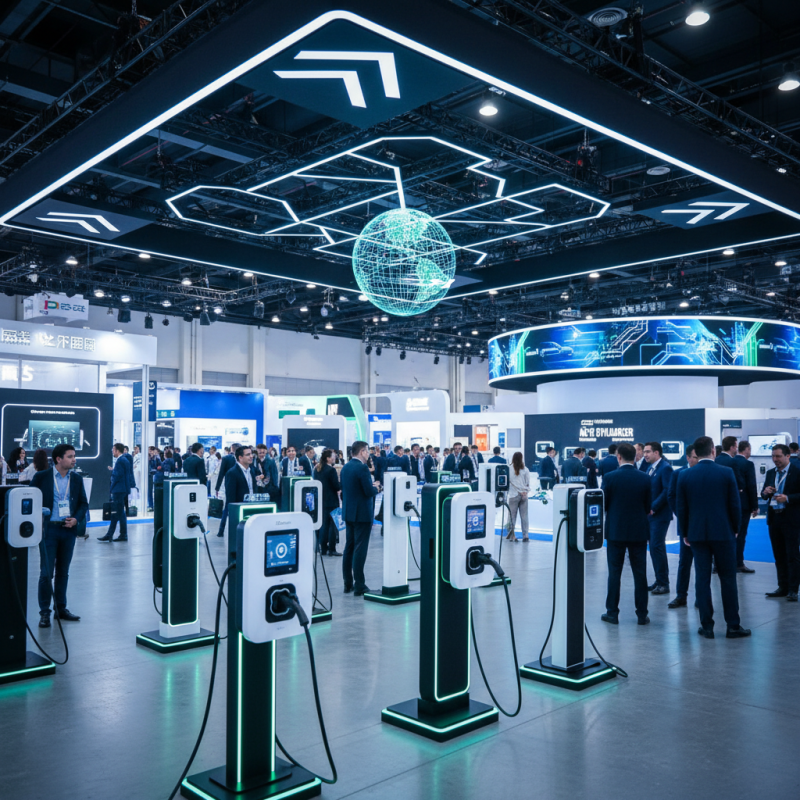
Emerging Technologies in AC EV Charging Solutions at the Canton Fair
The 2026 Canton Fair showcased exciting innovations in AC EV charging. Numerous companies presented cutting-edge technologies. One standout was the introduction of ultra-fast charging systems. These systems significantly reduce charging times, appealing to both consumers and manufacturers.
Smart charging solutions were also prominent. These systems integrate with mobile apps. They allow users to monitor charge levels in real-time. This feature enhances user experience and promotes more efficient energy use. However, there were concerns about the reliability of these apps. Some users reported connectivity issues during peak hours.
Sustainable charging infrastructure took center stage. Many companies focused on eco-friendly materials and designs. Solar-powered charging stations were a highlight. They offer a sustainable option for urban and rural areas alike. Yet, the implementation of such technologies can face logistical challenges. Geographic location and weather conditions may affect efficiency. The ongoing development in this sector is promising, but thoughtful execution is crucial.
Innovative Design Features of AC EV Chargers Showcased in 2026
The 2026 Canton Fair highlighted remarkable innovations in AC EV charger design. Various models featured sleek aesthetics. This shift is crucial for modern urban environments. Most units included user-friendly interfaces, simplifying operation for all users. Enhanced safety features, such as overcurrent protection, were also common. These details are essential for consumer trust.
Some designs struggled with integration in tight spaces. Limited size options may deter potential buyers. Modular designs attempted to address this issue but require refinement. Color options and customizable casing were showcased, allowing chargers to blend seamlessly with surroundings. However, some models seemed overly complicated. Simplicity often trumps complexity in user experience.
Charging speed remains a critical factor. Many showcased chargers boasted quick charging capabilities, reducing downtime for users. Yet, some still faced issues with overheating. Continuous innovation is necessary to tackle this challenge. Presenters acknowledged these concerns, emphasizing the need for ongoing development. Continuous feedback from users can drive more effective solutions.
Analysis of Market Trends for AC EV Chargers at the Canton Fair
As the 2026 Canton Fair approaches, the landscape of AC EV chargers continues to evolve. Innovations in this sector are reshaping how electric vehicles are charged. With growing concerns about energy efficiency and sustainability, manufacturers are focusing on smart technologies.
Market trends indicate a rise in user-friendly features. For example, wireless charging options are becoming more common. This allows for a seamless charging experience. Some products even integrate with smartphone apps, offering real-time updates. However, not all innovations address the needs of every user. For specific vehicle types, compatibility remains a challenge.
Tips: Look for chargers with adaptive power output. This can increase efficiency. Consider the size and installation complexity of chargers. A compact model might fit your space better. Lastly, research local regulations affecting EV charger installations.
Many products at the fair also emphasize eco-friendliness. Materials and designs are shifting towards sustainability. Yet, scalability continues to be an issue. Not every solution is practical for widespread use. Observers should remain critical of flashy features that don't enhance actual performance. Always prioritize functionality and user needs over aesthetics.
Comparison of Charging Speeds: AC Chargers vs. Other Technologies
The charging speed of electric vehicles (EVs) has been a hot topic in recent years. AC chargers have become an essential part of the EV ecosystem. In 2022, AC chargers accounted for nearly 60% of all charging stations globally, according to industry data. These chargers typically provide power levels ranging from 3.7 kW to 22 kW. This range often translates to charging times of 4 to 8 hours for a full battery.
However, in comparison to DC fast chargers, which deliver voltages upwards of 150 kW, the speed difference is stark. DC chargers can fully charge an EV in 30 minutes to an hour. A recent report indicated that DC chargers are up to five times faster than AC options. There’s a growing debate about whether infrastructure development should focus more on fast DC chargers.
Nevertheless, AC chargers have their advantages. They are more affordable to install and maintain. Many homes and workplaces prefer them for overnight charging. As the market evolves, a blend of both technologies might be key. It raises questions about charging standards and compatibility that need addressing. Will consumers prioritize speed over convenience? The answer remains unclear.
Comparison of Charging Speeds: AC Chargers vs. Other Technologies
Future Prospects for AC EV Charging Innovations Post-Canton Fair 2026
The 2026 Canton Fair is set to showcase remarkable innovations in AC electric vehicle (EV) charging technology. As the global EV market expands, experts predict that diverse charging solutions will emerge to meet growing demand. A recent industry report claims that the AC charger market is expected to reach USD 16.75 billion by 2030, reflecting a compound annual growth rate (CAGR) of 24.4%. This growth highlights the urgent need for more efficient and accessible charging strategies.
Future prospects for AC EV charging innovations are promising, yet challenges remain. Many charging infrastructures lack standardization. This inconsistency can hinder user experience. For instance, a user might encounter various connectors that complicate the charging process. Data suggests that only 55% of charging stations are compatible with the main EV models worldwide. Reducing this gap is crucial for widespread acceptance.
Tips: Always verify the available charging options before purchasing an EV. Research local charging networks carefully. Additionally, consider investing in a home charging solution to ensure convenience. These choices can make a significant difference. Addressing these elements can lead to a smoother transition into the EV ecosystem. Reflecting on future innovations, a commitment to sustainability will drive advancement in technology.
