280nit IPS TFT LCD Module Best Features and Applications?
The "280nit IPS TFT LCD Module" has emerged as a critical component in various electronic applications. Its impressive brightness level of 280 nits ensures clear visibility in a range of lighting conditions. According to industry reports, the global TFT LCD market is expected to reach USD 162 billion by 2025, underscoring the growing demand for such display technologies.
This module's excellent color accuracy and wide viewing angles make it ideal for industries like automotive, healthcare, and consumer electronics. Companies that integrate this technology often report improved user experiences. Yet, it’s essential to consider manufacturing challenges and material costs, which can impact the pricing and accessibility of these modules.
Moreover, while the advantages are clear, issues such as energy efficiency and environmental impact cannot be ignored. Ongoing developments in this field aim to address these concerns, ensuring a more sustainable approach to display technology. As the market evolves, continuous assessment of the "280nit IPS TFT LCD Module" will be vital for both manufacturers and users.
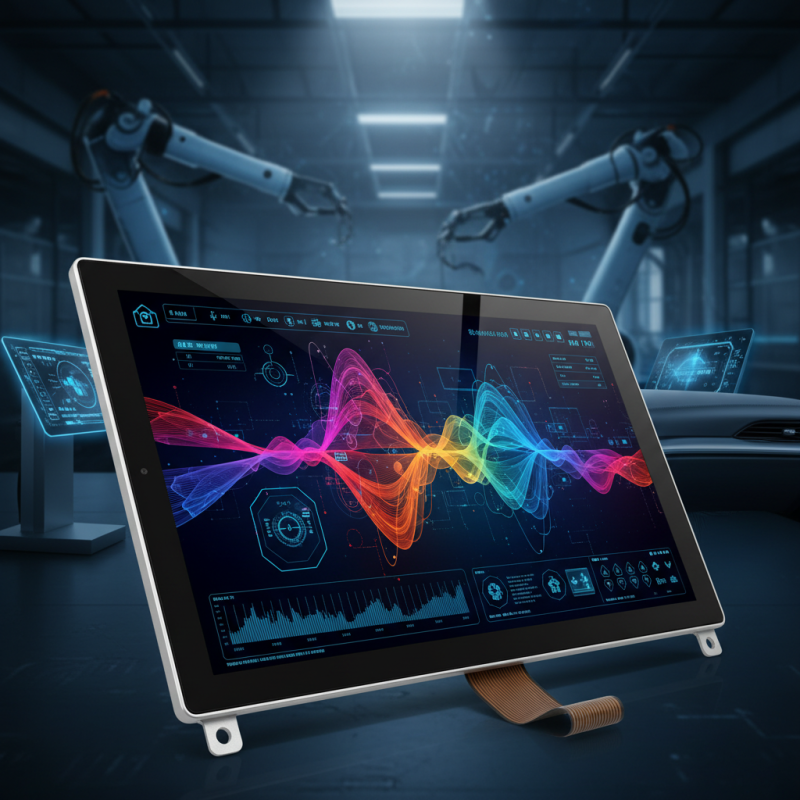
Best Features of 280nit IPS TFT LCD Module
The 280nit IPS TFT LCD module is known for its exceptional features, catering to various industries. One prominent aspect is its wide viewing angle. It offers a viewing angle of up to 178 degrees. This means users can enjoy consistent colors and brightness from different perspectives. Research indicates that displays with wider viewing angles enhance user experience significantly.
Another vital feature is its high color accuracy. The IPS technology ensures vibrant and true-to-life colors. This quality is essential in applications such as medical imaging and graphic design. In a professional setting, color fidelity can directly impact decision-making. For instance, a recent study highlighted that color inaccuracies can lead to serious errors in medical diagnostics.
Tips: When selecting a display module, consider the intended application. High brightness levels are crucial in outdoor settings. Moreover, assess the contrast ratio and response time for dynamic content. The 280nit brightness provides adequate visibility in well-lit environments. However, it may fall short in direct sunlight; evaluate your needs carefully. Always consider future requirements as display technology evolves rapidly.
Key Specifications of 280nit IPS TFT LCD Display
The 280nit IPS TFT LCD display excels in clarity and color accuracy. This technology uses in-plane switching to deliver wider viewing angles and better color reproduction. Industry reports indicate that these displays maintain up to 80% color consistency across various angles. This makes them ideal for applications requiring precise visual output, such as medical imaging and graphic design.
Key specifications of the 280nit IPS TFT LCD include a resolution that often reaches Full HD, ensuring detailed visuals. The average response time is around 8ms, reducing blurriness in fast-moving images. Brightness of 280 nits allows for good visibility even in moderately lit environments. Despite these features, some users have noted issues with color calibration in certain conditions, suggesting a need for regular adjustments.
Power consumption is another important aspect—the 280nit IPS TFT LCD modules are designed to be energy-efficient, typically consuming about 40% less power than older technologies. However, this efficiency can lead to inconsistencies in performance over time, particularly if the display is frequently used in extreme temperatures. Regular monitoring and maintenance are required to ensure optimal performance in demanding settings.
280nit IPS TFT LCD Module Best Features and Applications
| Feature | Specification |
| Screen Size | 7 inches |
| Resolution | 800 x 480 pixels |
| Brightness | 280 nits |
| Display Technology | IPS TFT |
| Viewing Angle | 178°/178° |
| Color Depth | 16.7 million colors |
| Interface | MIPI, RGB |
| Response Time | 25 ms |
| Applications | Smartphones, Tablets, Industrial Equipment |
Common Applications of 280nit IPS TFT LCD Modules
280nit IPS TFT LCD modules have become increasingly popular in various fields. Their versatility makes them suitable for multiple applications. One of the primary areas where these displays excel is in consumer electronics. Devices like smartphones and tablets benefit from the vibrant colors and wide viewing angles that these modules provide. Users expect clear visuals, even under bright sunlight, making the brightness level of 280 nits a practical choice.
Industrial equipment also leverages 280nit IPS TFT LCD modules. These displays are used in control panels and monitoring systems. The durability and reliability of these modules ensure they perform well in challenging environments. However, it’s worth noting that not all installations will achieve optimal visibility. Factors like ambient light can still impact performance.
Another notable application is in navigation systems. The crisp images assist users in effectively reading maps and instructions. However, the integration process can be complex. Additionally, these modules may not suit every setting. Users must consider their specific needs and environments carefully to maximize effectiveness.
Advantages of IPS Technology in 280nit Displays
When considering the advantages of IPS technology in 280nit displays, color accuracy stands out. IPS, or In-Plane Switching, delivers superior color reproduction compared to traditional LCDs. This makes it ideal for applications requiring precise color representation, such as graphic design and photography. Users can expect vibrant colors and wide viewing angles, which enhance the overall experience.
Another significant benefit is the consistent brightness. A 280nit display provides adequate brightness for various environments, whether for indoor use or moderate outdoor settings. The uniformity in brightness across the screen minimizes eye strain during extended use. This consistency is vital for professional applications where detail matters.
**Tips for Users:**
Ensure your display is optimized for color calibration. Regular adjustments can maintain accuracy over time. Additionally, use the display in well-lit environments to fully appreciate its brightness performance. This approach will enhance your viewing experience and help you notice any deviations in color quality. Always remember, experiences will vary, and personal adjustments might be necessary.
Comparison with Other LCD Technologies and Modules
When comparing the 280nit IPS TFT LCD module to other LCD technologies, several factors come into play. IPS (In-Plane Switching) technology stands out due to its superior color accuracy and wide viewing angles. Reports indicate that IPS panels maintain color consistency even at extreme angles, with color shifts often reduced to less than 10%. This is crucial for applications requiring precise color representation, such as graphic design and medical imaging.
In contrast, TN (Twisted Nematic) panels, while generally cheaper, suffer from narrower viewing angles and lower color accuracy. Data shows TN panels can exhibit a color shift of up to 30% when viewed off-axis. This limitation can affect user experience in various applications, from gaming to professional environments. Furthermore, VA (Vertical Alignment) panels, while offering better contrast ratios, often do not match the response time of IPS. This makes them less suitable for fast-paced applications.
The choice between these technologies should reflect the application needs. For example, using a 280nit IPS TFT module in outdoor settings provides visibility in bright conditions, as it balances brightness and clarity. However, its performance might not be adequate in extreme sunlight without additional enhancements. Thus, industry experts recommend assessing specific requirements before making a selection.
